
Last updated November 15, 2026
 Sweep & inspection
 Caps & crowns
 Flue relining
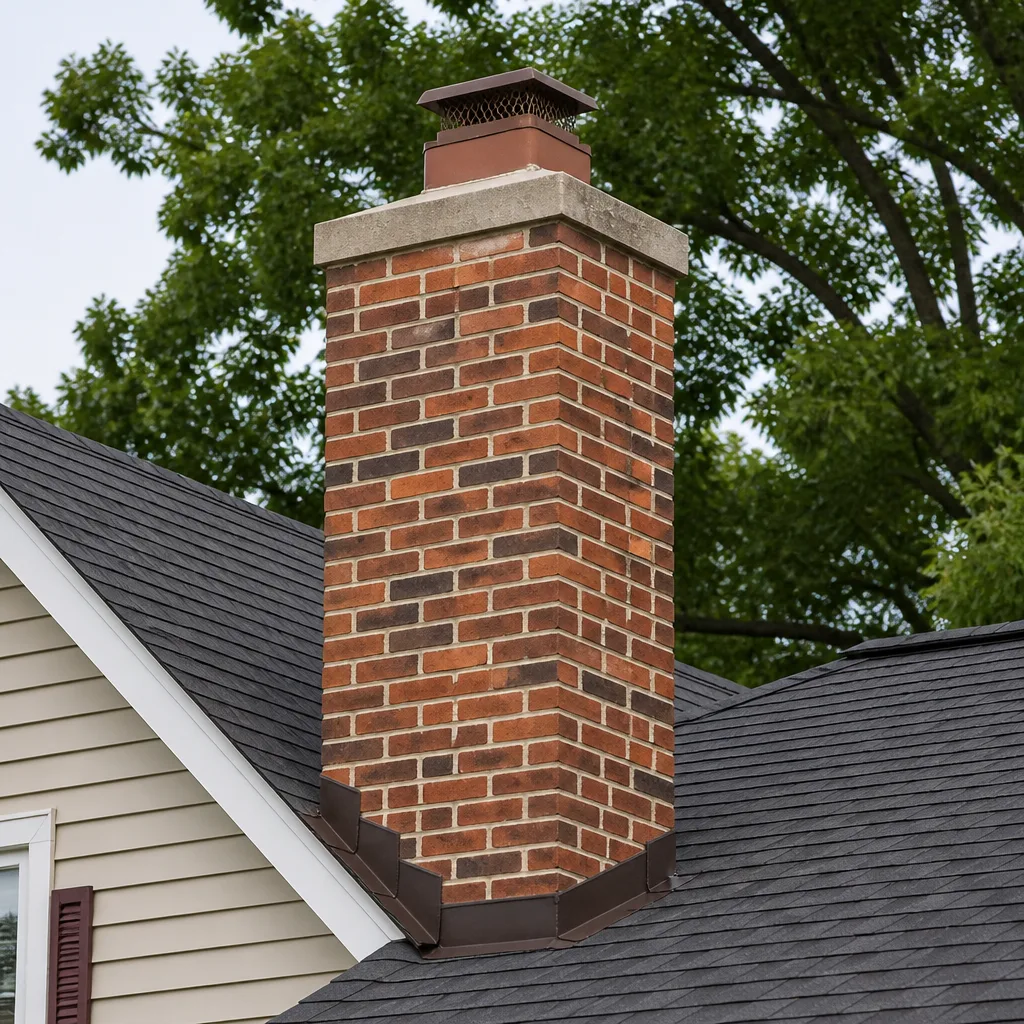 Masonry repair
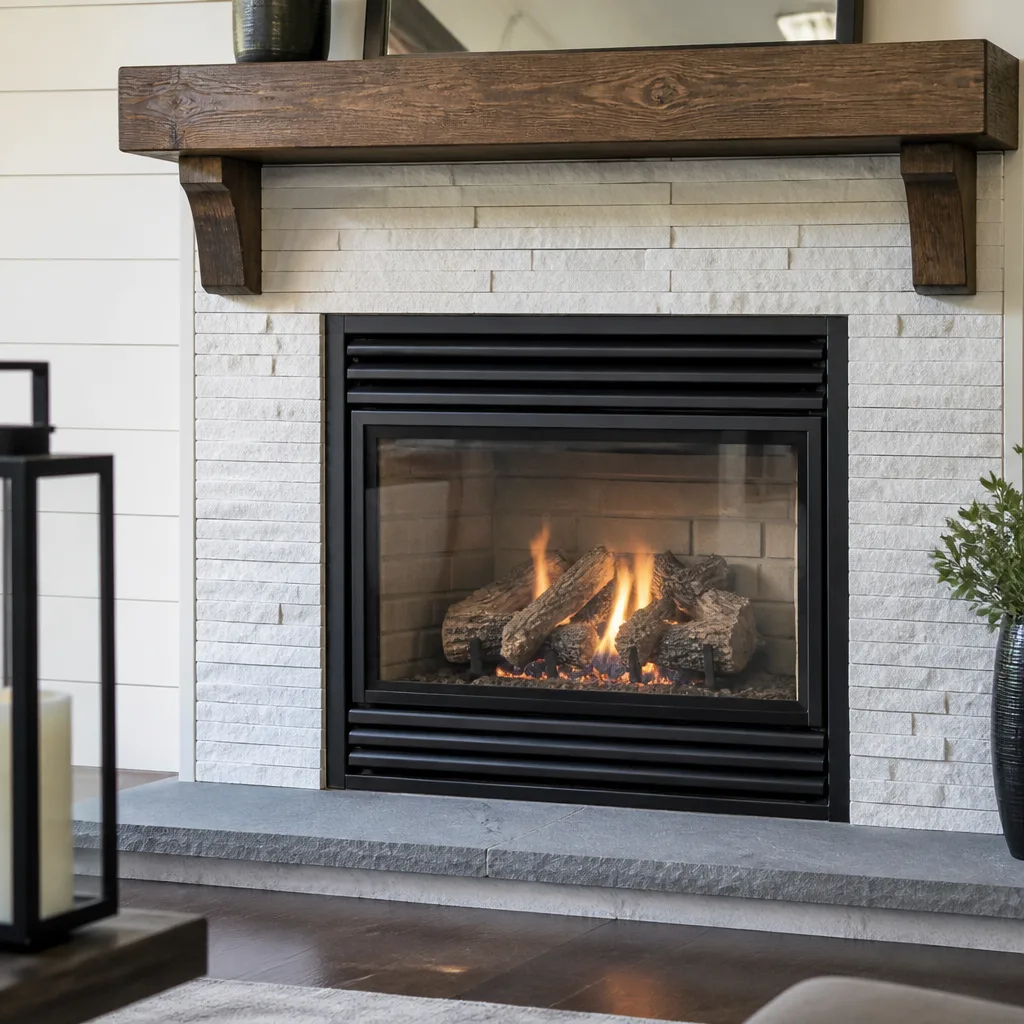 Gas fireplace service
Level 1 sweep and inspection to the NFPA 211 annual standard - flue, crown, cap, and flashing checked and photographed
Chimney sweep logs do not sweep chimneys. They loosen some creosote - which then falls where a brush and vacuum still have to collect it.
Seasonal Chimney Cleaning Care for Paradise: Year-Round Homeowner’s Guide
In Paradise, your chimney takes more abuse in July, when you’re not using it at all, than it does during the entire winter burning season. Most chimney care advice was written for cold climates where the fire burns from October to April and the off-season is mild. That calendar doesn’t fit Southern Nevada. Here, the real dangers stack up in the heat: ambient temperatures near 115°F bake mortar joints, monsoon storms push water into caps and flashing, and then a short, intense burn period arrives in December and January. This guide maps chimney care to the actual Paradise calendar, season by season, so you know what to inspect, when, and why the timing matters.
Styles & brands we work with
- Sweep & inspection
- Caps & crowns
- Flue relining
- Masonry repair
- Gas fireplace service
Quick Answer
Chimney care in Paradise follows a different rhythm than most guides assume. The highest-risk window for your chimney is summer, when extreme heat and monsoon moisture attack masonry and caps, while the actual burning season is short and concentrated. The practical rule: inspect and repair in spring and summer before the heat peaks, test the system in fall before the first fire, and schedule a mid-season check if you burn heavily in winter. Clean chimneys are safer chimneys, but in this climate a clean chimney that’s also water-damaged is still a hazard.
Table of Contents
- Why the Paradise Calendar Breaks the Standard Chimney Rulebook
- Summer: When 115°F Heat Quietly Ages Your Chimney
- Monsoon Season: How Water Finds Its Way Into Paradise Chimneys
- Fall Pre-Season: The Correct Sequence Before the First Fire
- Winter: Burn-Frequency Thresholds That Trigger a Mid-Season Check
- Spring: What to Address Before You Close the Damper for Eight Months
- A Simple Year-Round Chimney Schedule for Paradise
- Common Mistakes to Avoid
- When to Call a Professional
Why the Paradise Calendar Breaks the Standard Chimney Rulebook
Most chimney guidance you’ll find online assumes four fairly even seasons and a long, steady burn period. Paradise doesn’t work that way. The winter burning season here is short but concentrated: a few cold months where the fireplace earns its keep, then eight months of dormancy. That means the chimney spends most of the year doing nothing, while the weather does its work on the structure.
The two forces that matter most in Paradise are heat and moisture, and they arrive in sequence. Summer heat expands and contracts masonry and dries out mortar, opening small cracks that weren’t there in spring. Then the monsoon rains arrive in July through September and find those cracks. Water gets in, sits against the masonry, and by the time you light the first fire of the season, you may have a chimney that looks fine from the ground but is compromised inside.
This is why we treat chimney care in Paradise as a year-round calendar rather than a once-a-year sweep. Our technicians have up to 12 years of experience, and the pattern we see again and again is a homeowner who cleaned the flue but never checked the crown or the cap, then spent the fall dealing with water damage. The sweep is essential, but it’s one line item in a larger seasonal checklist.
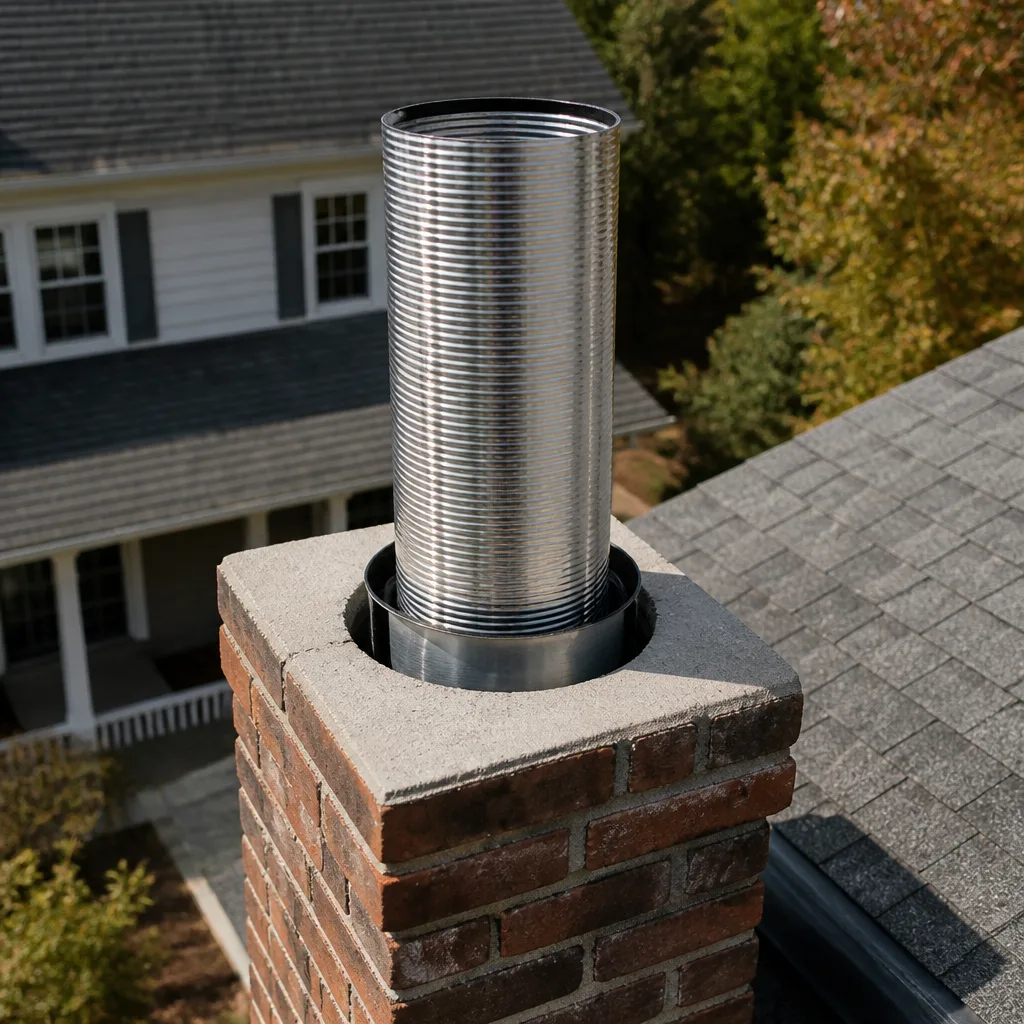
We work with professional-grade materials and systems on every job: DuraFlex liner systems, HeatShield resurfacing for repair work, and components from Gelco and Olympia Chimney. That matters most in this climate, because materials that perform fine in a mild climate get tested harder when they face 115°F summers and sudden monsoon rain. If you want a specialist who handles the whole chimney system rather than one task, that’s the model we build around. You can read more about that on our chimney sweep page.
Summer: When 115°F Heat Quietly Ages Your Chimney
Summer is the season most homeowners ignore their chimney completely, and in Paradise that’s precisely the season it needs the most attention. Ambient temperatures near 115°F do real work on the exterior masonry, the mortar joints, and the crown. Here’s what’s happening and what to inspect before fall.
Mortar joints. Mortar is the weakest part of any masonry chimney, and repeated heating and cooling causes it to expand and contract. Over a summer, hairline cracks widen. You won’t see them from the ground with the naked eye. A joint that looked solid in May can be crumbling by September, and once a joint fails, water has a direct path into the chimney structure.
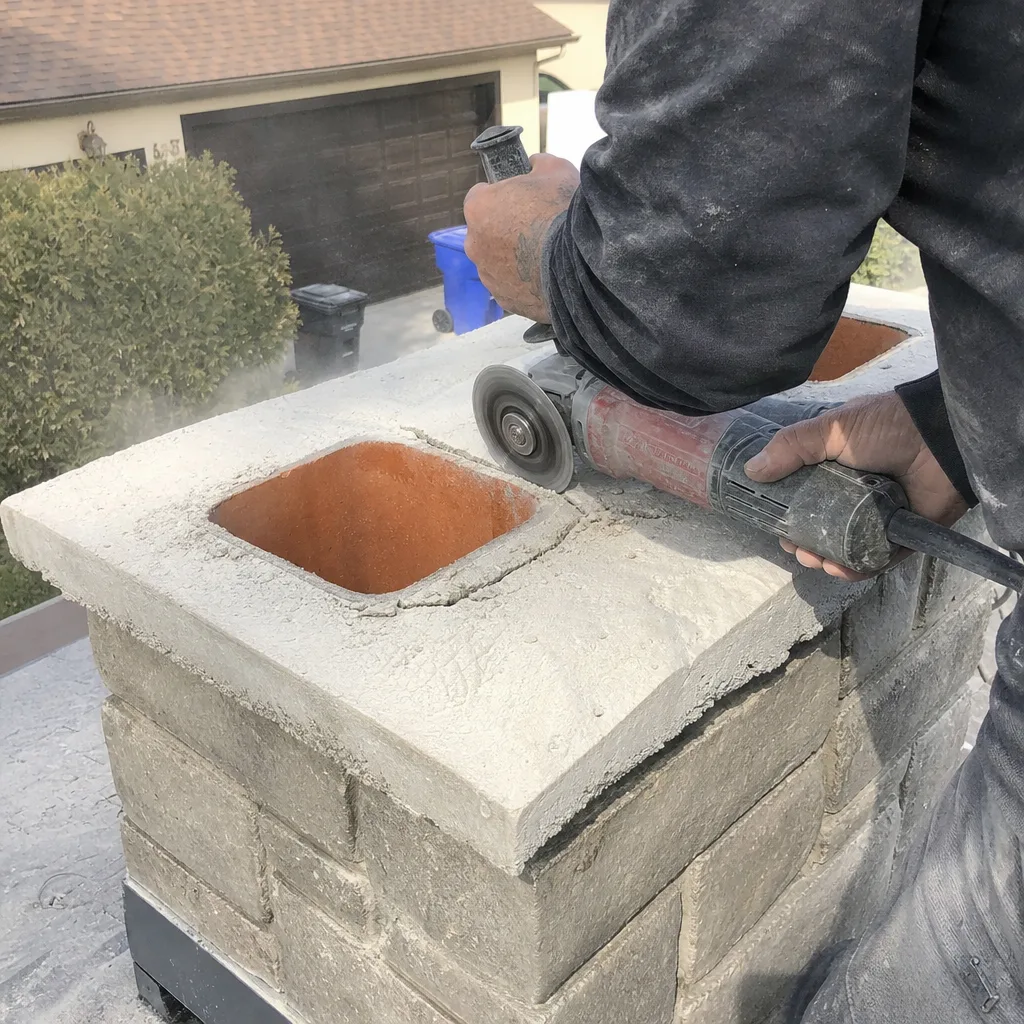
The crown. The crown is the concrete or masonry cap at the very top of the chimney that sheds water. A cracked crown is one of the most common problems we find in Paradise. In extreme heat, the crown expands; then it contracts at night. That cycle, repeated over a summer, opens cracks. Inspecting the crown before the monsoon arrives is the single most useful thing you can do in June.
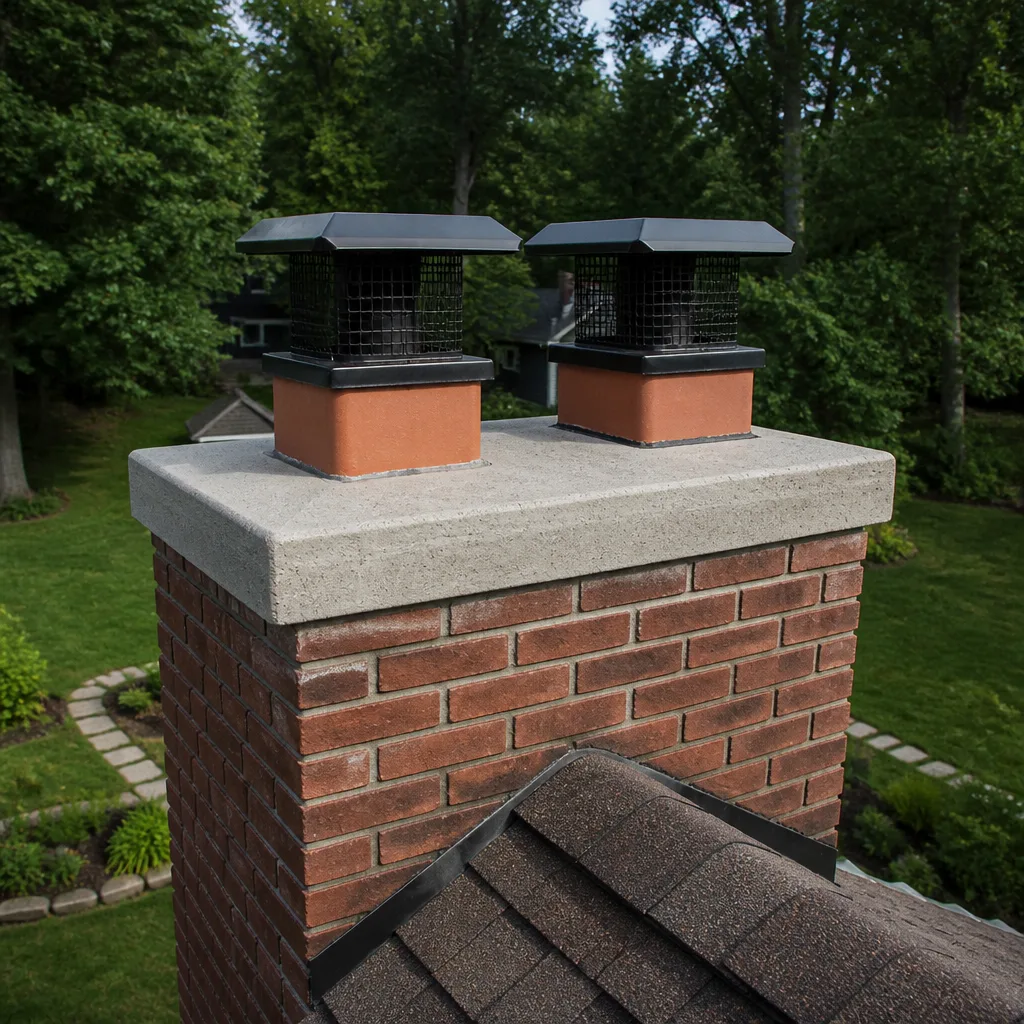
Chimney cap and spark arrestor. The metal cap on top of the flue protects the interior from rain, animals, and debris. Summer heat, combined with the thermal cycling of a chimney that’s been idle, can loosen the cap’s fasteners. Check that it’s secure and that the mesh isn’t corroded or clogged.
Before fall, walk the exterior and inspect:
- Mortar joints for crumbling, cracking, or missing mortar
- The crown for cracks, spalling, or separation from the flue
- The cap for loose fasteners, rust, or a clogged mesh screen
- Flashing where the chimney meets the roof for corrosion or gaps
- Any white, powdery staining on the masonry, which can indicate moisture trapped inside
If you find problems, they’re far cheaper to address in late summer than after a monsoon season turns a small crack into a structural repair. This is the window to schedule repair work, before the fall rush and before the rain arrives.
Monsoon Season: How Water Finds Its Way Into Paradise Chimneys
The monsoon season, roughly July through September, delivers more moisture to Paradise in a few weeks than the rest of the year combined. For a chimney, this is the most dangerous stretch of the calendar. Water is the most destructive force a chimney faces, more so than fire, because it works slowly and invisibly until a masonry wall fails or a ceiling stains.
Paradise roof designs create specific water-entry pathways. Many homes have low-slope or flat rooflines where the chimney meets the roof at a complex junction, and flashing failures there are common. Rain driven sideways by monsoon winds finds gaps that a straight-down downpour would miss.
Here’s how water typically gets into a Paradise chimney:
- Through the crown. A cracked or deteriorated crown lets water seep straight down into the masonry and the flue.
- At the flashing. The metal that seals the chimney to the roof can pull away, corrode, or fail at the sealant line. This is the leading source of interior water stains after a monsoon storm.
- Through open flues. A missing or damaged cap lets rain fall straight down the flue, which is why a secure cap matters so much here.
- Through failed mortar joints. Once joints crack in the summer heat, monsoon rain has an open door into the chimney’s core.
- At the chimney-to-wall junction. On stucco and masonry exteriors, the sealant line at the top of the chimney’s meeting with the structure can fail.
Before the monsoon arrives, the correct order of work is: inspect first, repair second, cap third. Get eyes on the crown and flashing in early summer, fix what’s cracked, and make sure the cap is secure. A capped flue with a sound crown and intact flashing is a chimney that can ride out the season. Anything less, and the rain will find the gap. This is why repair work done with the right materials matters; a patch that fails the following summer just means you’ll repeat the job.
If you’re seeing water stains on the ceiling near the chimney, or a musty smell in the room where the fireplace sits after a storm, that’s a sign water is already getting in. Get it inspected before the next storm.
Fall Pre-Season: The Correct Sequence Before the First Fire
Fall is when most homeowners start thinking about the chimney, and that timing is right, but the sequence people follow is usually wrong. They light a fire to test the system and then call for a sweep. The correct order is the opposite: inspect and clean first, then test. Here’s the sequence we recommend before the first fire of the season in Paradise.
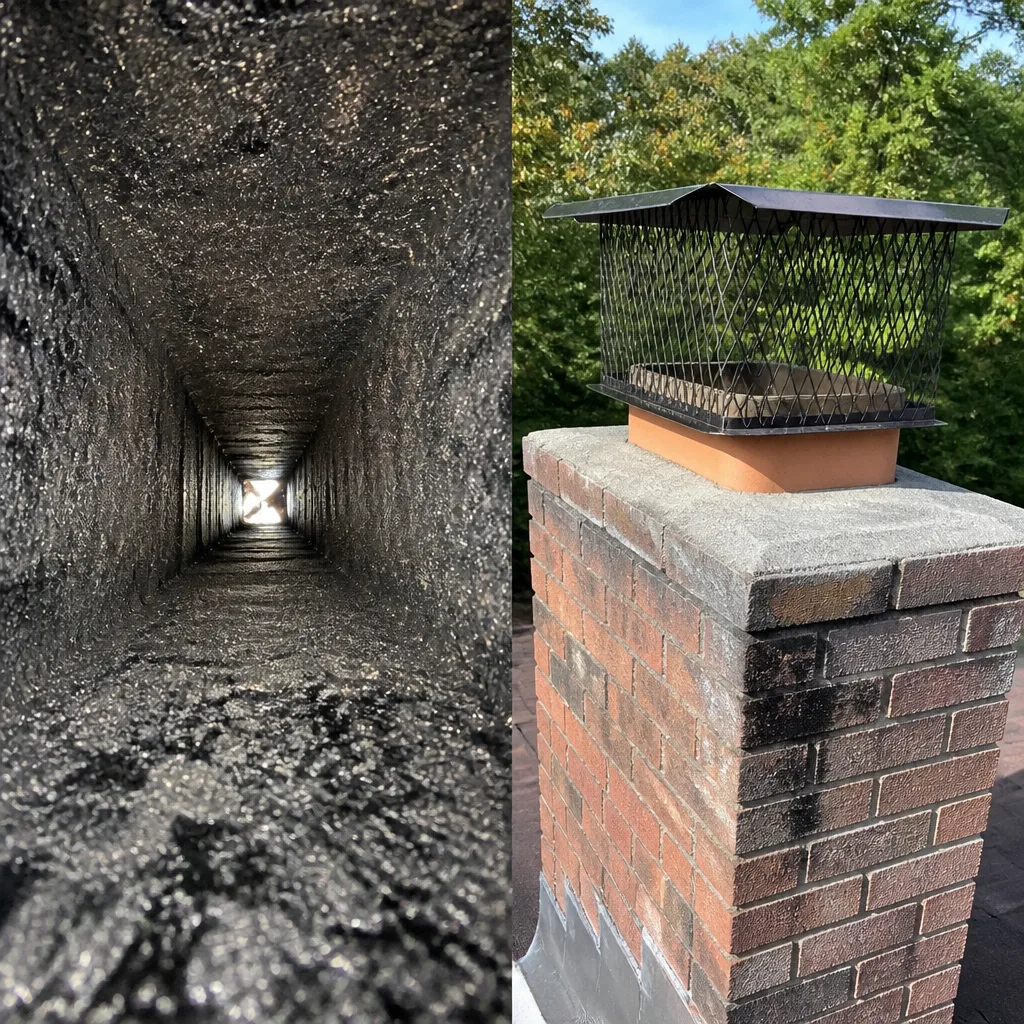
- Book the sweep first. Before you build a fire, have the chimney swept. Creosote that’s built up over the dormant months, plus any debris that blew in during the summer, needs to come out before combustion. This is the foundational step. Our chimney sweep service covers the flue and firebox and leaves you with a clear system.
- Inspect the cap and crown. Confirm the cap is secure and the crown is intact. These are the same items you checked in summer, but a post-monsoon check confirms nothing failed during the rain.
- Test the draft. With the firebox clear, you can test the draft before you load wood. Open the damper fully, hold a lit piece of paper or a smoke source near the firebox opening, and watch whether smoke rises up the flue or spills into the room. If it spills, the draft is faulty, and the problem needs to be found before you attempt a real fire.
- Check the damper. It should open and close freely and seal when closed. A damper that sticks open all winter is a heat loss and a draft problem.
- Clear the firebox and ash pit. Remove old ash and debris. Look for any signs of moisture, staining, or crumbling material.
- Confirm the wood. Seasoned, dry wood burns cleaner and produces less creosote. Wet wood produces more smoke and more deposits.
The draft test is the step most people skip, and it’s the one that matters most for safety. A chimney that drafts poorly can pull combustion gases, including carbon monoxide, back into the room. If your draft test fails, stop and get a professional inspection before you light a fire, because the cause can be anything from a blocked flue to a pressure imbalance in the home, and guessing at it is not worth the risk.
If you have a wood stove rather than an open fireplace, the fall sequence is the same, but the stakes on the draft test are higher because a stove runs hotter and more continuously. Once the pre-season sequence is complete, you’re ready for the burn period.
Winter: Burn-Frequency Thresholds That Trigger a Mid-Season Check
Winter in Paradise is short, but if you use your fireplace heavily, the creosote accumulates fast. The question most homeowners ask us is how often to sweep, and the honest answer depends on how much and how you burn. The standard guidance is an annual sweep, but in a concentrated burn season, heavier users need a mid-season look. Here are practical thresholds.
Light use (one or two fires a week). A single pre-season sweep is usually enough. Check the firebox visually now and then for excess soot, but you’re unlikely to need a mid-season sweep.
Moderate use (three or four fires a week). Consider a mid-season inspection around the midpoint of the burn period. It’s a quick check, and it tells you whether creosote is building faster than expected.
Heavy use (daily fires). A mid-season inspection is worth scheduling. With daily burning, creosote accumulates quickly, and a chimney that was clean in early December may have a meaningful buildup by late January. A mid-season look catches it before it becomes a fire hazard.
Beyond frequency, watch for these warning signs during the winter:
- A strong, sharp creosote smell in the room
- Smoke rolling back into the room when you open the damper
- A fire that’s harder to start or that burns poorly compared to earlier in the season
- Visible soot or buildup on the firebox walls or the damper
- Any crackling or popping sound that seems to come from the flue rather than the firebox
Creosote is why chimney fires happen, and creosote buildup is a real fire risk, not a theoretical one. A chimney fire can burn at extreme temperatures and damage the flue lining, and the damage isn’t always obvious afterward. That’s the argument for the mid-season check for heavy users: you catch the buildup before it becomes dangerous, rather than after a fire has already run through the flue.
One more winter note: carbon monoxide is the invisible risk. A blocked or compromised flue can push CO into the living space with no visible sign. That’s not a reason to panic, but it’s a good reason to keep a working CO detector on the same floor as the fireplace and to treat any draft problem as urgent.
Spring: What to Address Before You Close the Damper for Eight Months
Spring is the season homeowners forget about the chimney entirely, and it’s the season that sets up everything that follows. Once the burn period ends, the chimney will sit unused for roughly eight months in Paradise. What you do, or don’t do, before you close the damper determines how the next season begins.
Clean before you close it, not after. The most important spring step is to sweep the chimney after the last fire, before the dormant period. Creosote left sitting in a flue over a hot summer can produce odor problems. The smell of old creosote in a warm, closed-up house is unmistakable, and cleaning it out before summer starts is the simplest fix. This is also the ideal time for the annual chimney sweep if you didn’t do a pre-season one, so the system sleeps clean.
Pest prevention. An open, unused flue is an invitation to birds and other small animals looking for a place to nest. A secure cap with an intact mesh screen is the single most effective pest deterrent. If you close the damper and leave the flue open through the warm months, check the cap first. A nest built over the summer becomes a blockage that fails the fall draft test.
Odor prevention. Beyond creosote smell, moisture trapped in masonry can produce a musty odor in the fireplace room through the summer. Spring is the window to find and fix the source, because a masonry repair done in spring has all summer to cure and dry before the first fire.
Structural checks. The end of the burn season is the right time to inspect for any damage the winter caused. Thermal cycling across a burn season can reveal itself as new cracks or joint failures. Catching them in spring gives you the whole summer to repair.
In short, the spring checklist is: sweep, check the cap, close the damper, and repair any structural issues now rather than in a fall scramble. If you’ve been putting off a repair, this is the season where the timing works in your favor.
A Simple Year-Round Chimney Schedule for Paradise
Here’s the whole calendar in one place. This is the schedule we’d recommend to any homeowner in Paradise, regardless of fireplace type.
| Season | Months | Priority Action | Why It Matters Here |
|---|---|---|---|
| Spring | March – May | Sweep, check cap, close damper, repair | Clean before eight months dormant; prevent odor and pests |
| Summer | June – July | Inspect crown, mortar joints, flashing | Heat opens cracks before the monsoon finds them |
| Monsoon | July – September | Water damage check, cap security, flashing seal | Rain finds every summer crack |
| Fall | October – November | Sweep, inspect, draft test, damper check | Secure system before first fire |
| Winter | December – February | Mid-season check if heavy user; watch warning signs | Short, intense burn builds creosote fast |
If you only remember one thing from this schedule, remember the pairing: summer heat opens the cracks, and the monsoon fills them. Repairing in summer, before the rain, is the most efficient use of your maintenance budget in this climate. Everything else is standard chimney care adapted to a place where the off-season does more damage than the fire season.
For homeowners in Paradise who want this handled end to end, the three service categories we cover line up with the calendar: sweep (spring and fall), repair (summer, before monsoon), and dryer vent cleaning (the fourth category most people never consider; more on that below).
The dryer vent belongs on this calendar too
If your chimney has a calendar, so does your dryer vent. It’s a separate exhaust system, but it shares the same fire-risk logic: lint accumulates, restricts airflow, and becomes a fuel source. In Paradise’s dry, hot climate, the risk is easy to underestimate because a slow-drying load doesn’t seem urgent until it is. We treat dryer vent cleaning as its own category of fire-hazard reduction, not an afterthought, because a clogged vent restricts airflow and that’s the condition that lets heat build up. Our dryer vent cleaning service addresses it on its own or alongside the chimney visit. Add it to your spring or fall checklist so it gets done on the same rhythm.
Common Mistakes to Avoid
- Sweeping but never inspecting. A clean flue is not the same as a sound chimney. In Paradise, the structural damage from heat and monsoon moisture is what fails, not the soot. Clean the flue and inspect the crown, cap, and flashing on every visit.
- Skipping the summer crown check. The crown is where water entry begins, and the extreme heat of a Paradise summer is exactly what cracks it. If you only check once a year, check the crown before the monsoon, not after.
- Lighting a test fire before the sweep. People want to know the fireplace works, so they light a fire and then book the sweep. That runs a fire through a chimney that may have a summer’s worth of debris blocking the flue. Sweep first, then test.
- Trusting a visual check from the ground. Most of what goes wrong in a Paradise chimney is invisible from the yard. Mortar joint failure, a cracked crown interior, and a damaged flue liner all need a proper look, which is why a professional inspection beats a flashlight from the driveway.
- Leaving the damper open through the dormant months. An open flue invites pests, lets hot summer air into the house, and allows moisture to settle. Close the damper once the season is over, with the cap secure.
- Using generic patching instead of the right materials. A crown repair or masonry patch that isn’t built for this climate’s swings will fail within a season or two. Using manufacturer-specified materials, like HeatShield resurfacing for repair work, means the fix holds through the next summer.
- Forgetting the dryer vent. It’s the most overlooked fire risk in the home, and it has nothing to do with the chimney at all. Lint accumulates year-round. If your clothes are taking longer to dry, put it on the calendar.
If you’re a homeowner in Paradise who’s made one or more of these mistakes, don’t treat it as a reason to avoid a call. Most of these are caught and fixed without drama when they’re found early. The larger mistake is waiting until the fall draft test fails or the ceiling stains.
When to Call a Professional
You can handle the visual checks on this calendar yourself: walk the exterior, look at the cap, keep a CO detector running, and watch for warning signs. What you shouldn’t do yourself is the work that requires getting onto a steep roof or into the flue. These are the situations where you call us:
- Water stains or musty smells after a monsoon storm
- A failed draft test before the first fire of the season
- Visible cracks in the crown or crumbling mortar joints
- Heavy creosote buildup or a sharp creosote smell after a burn season
- Any concern about the flue liner or the integrity of the chimney structure
- A dryer that’s taking noticeably longer to dry a load
Roof work and flue work are genuinely dangerous. A fall from a roof or exposure to a damaged flue is not a DIY project, and a chimney with suspected structural damage should be inspected by a trained professional before it’s used again. We can see what’s actually happening inside your chimney rather than guessing at it. Chimney Sweep Paradise offers free estimates in Paradise. Call (844) 314-6144. We answer 24/7. Fast dispatch from 7am to 7pm, Sunday through Friday.
Frequently Asked Questions
Annually is the baseline, but the right frequency in Paradise depends on use. If you burn lightly, one sweep in spring or fall is enough. If you burn daily through the winter, add a mid-season inspection. The short, intense burn season here means heavy users can build creosote faster than the annual rule implies. Call (844) 314-6144 for an exact quote; estimates are free.
Yes. Summer heat is the main driver of mortar joint and crown cracking, because masonry expands in the heat and contracts at night, and that cycling opens small cracks. The monsoon then finds those cracks in July through September. Inspecting the crown and mortar joints in early summer, before the rain, is the single most useful step in the Paradise calendar.
Cost depends on the job: a straightforward sweep, a repair, or a combined visit are priced differently. We set the price per job with a written estimate so you know the number before any work starts, and the estimate is free. Call (844) 314-6144 with details about your chimney and we’ll give you an exact quote.
Not necessarily, and that’s the honest answer. Most of what fails in a Paradise chimney is not visible from the ground: mortar joint failure, interior crown cracks, and flashing gaps all hide from a casual look. A proper inspection tells you what’s actually there. If nothing needs repair, you’ll hear that, and the sweep is all you need.
Skipping a year isn’t automatically a disaster, but the risks are real and they compound. Creosote accumulates and becomes a fire hazard, moisture gets into masonry through cracks the heat opened, and a blocked flue can push carbon monoxide into the home. If you’re going to skip something, skip the cosmetic work, not the inspection and sweep.
It’s a separate system, but it’s the same category of risk: an exhaust pathway that can clog and become a fire hazard. Lint buildup restricts airflow and is one of the leading causes of residential house fires. We offer dryer vent cleaning on its own or alongside a chimney visit, so both exhaust systems get checked on the same schedule. Call (844) 314-6144 to add it to your visit.
The Bottom Line
Chimney care in Paradise doesn’t follow the cold-climate calendar most guides assume. Your chimney’s hardest season is summer, when extreme heat opens cracks and the monsoon fills them, and your burn period is short enough that a clean system in fall is only half the job. The schedule that works here: sweep and repair in spring, inspect the crown and mortar in early summer, verify the cap and flashing before the monsoon, sweep and draft-test in fall, and check in mid-season if you burn heavily. If you want the whole system handled by one specialist who uses professional-grade materials, the team at Chimney Sweep Paradise is ready to help. Call (844) 314-6144 for a free estimate. We answer 24/7. Fast dispatch from 7am to 7pm, Sunday through Friday.
Written by the team at Chimney Sweep Paradise.
See the difference
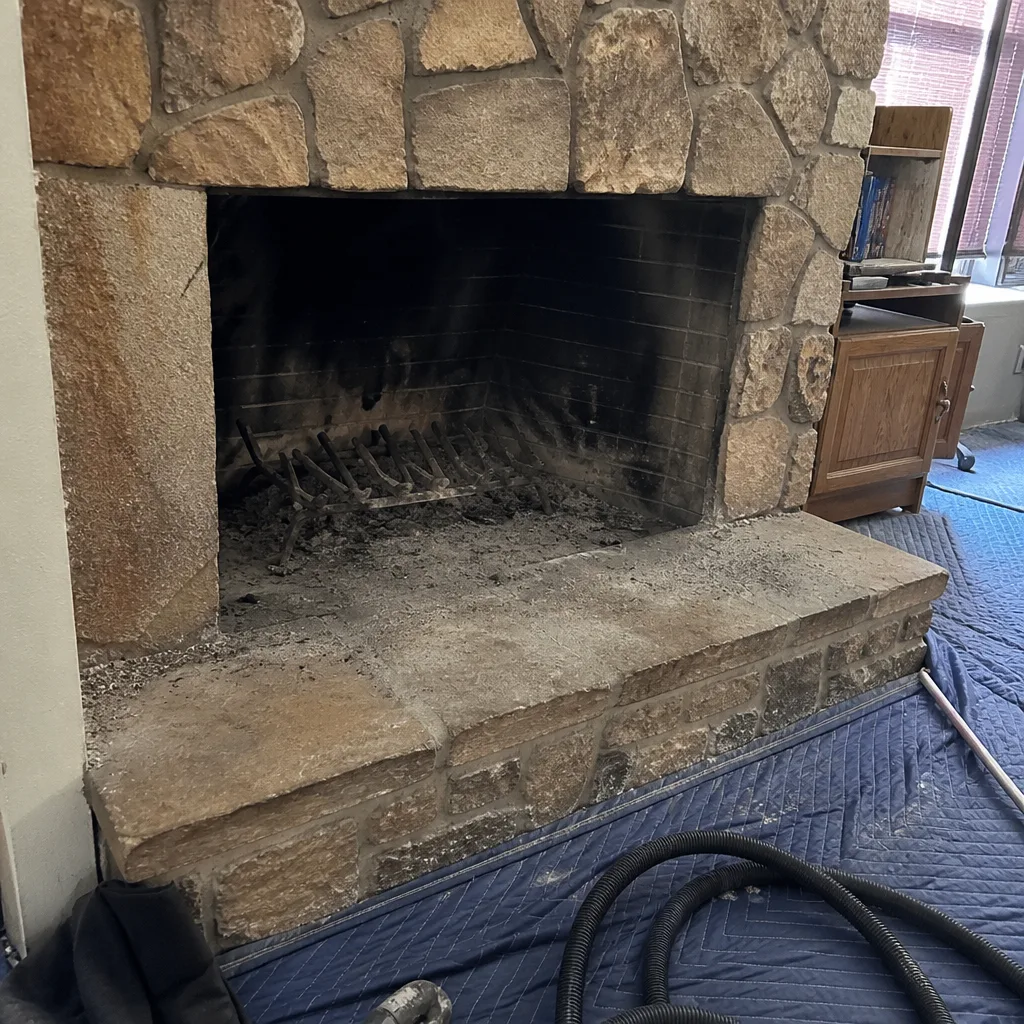 Before
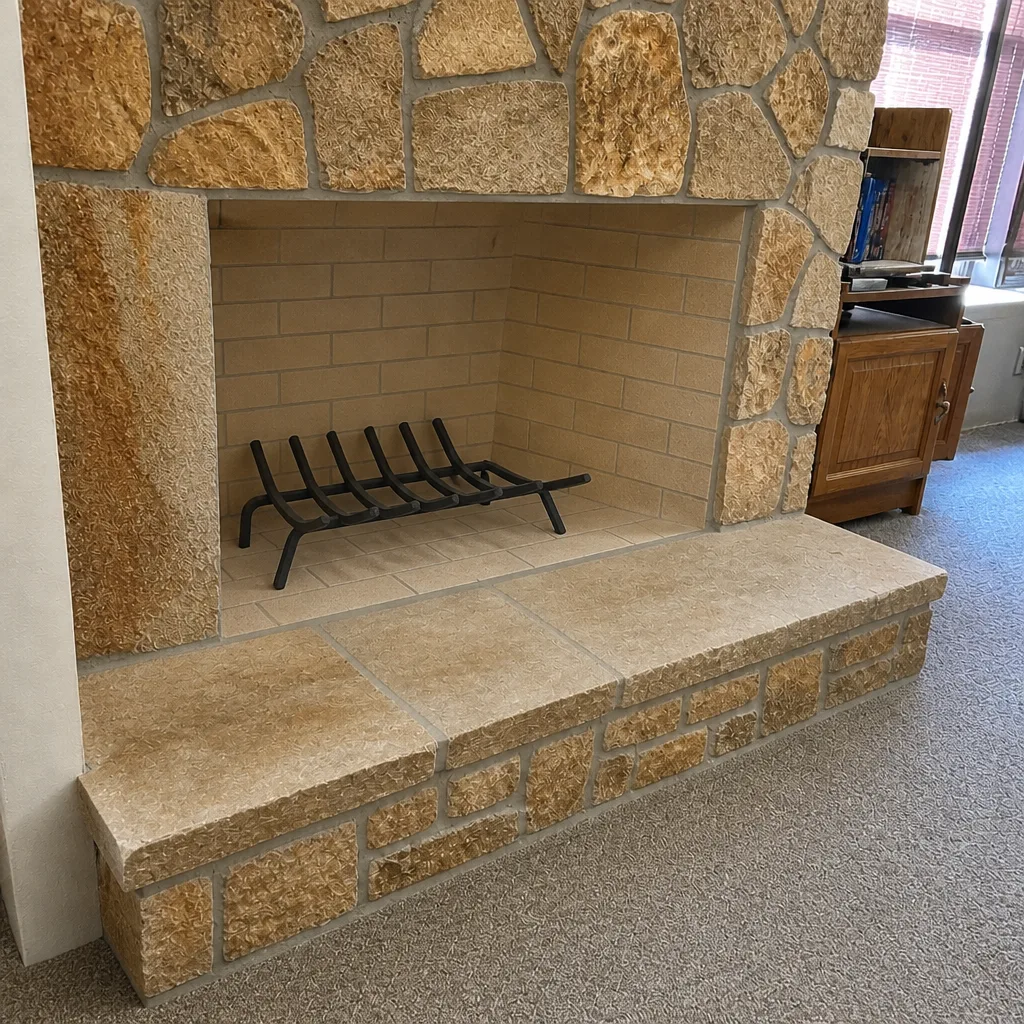 After
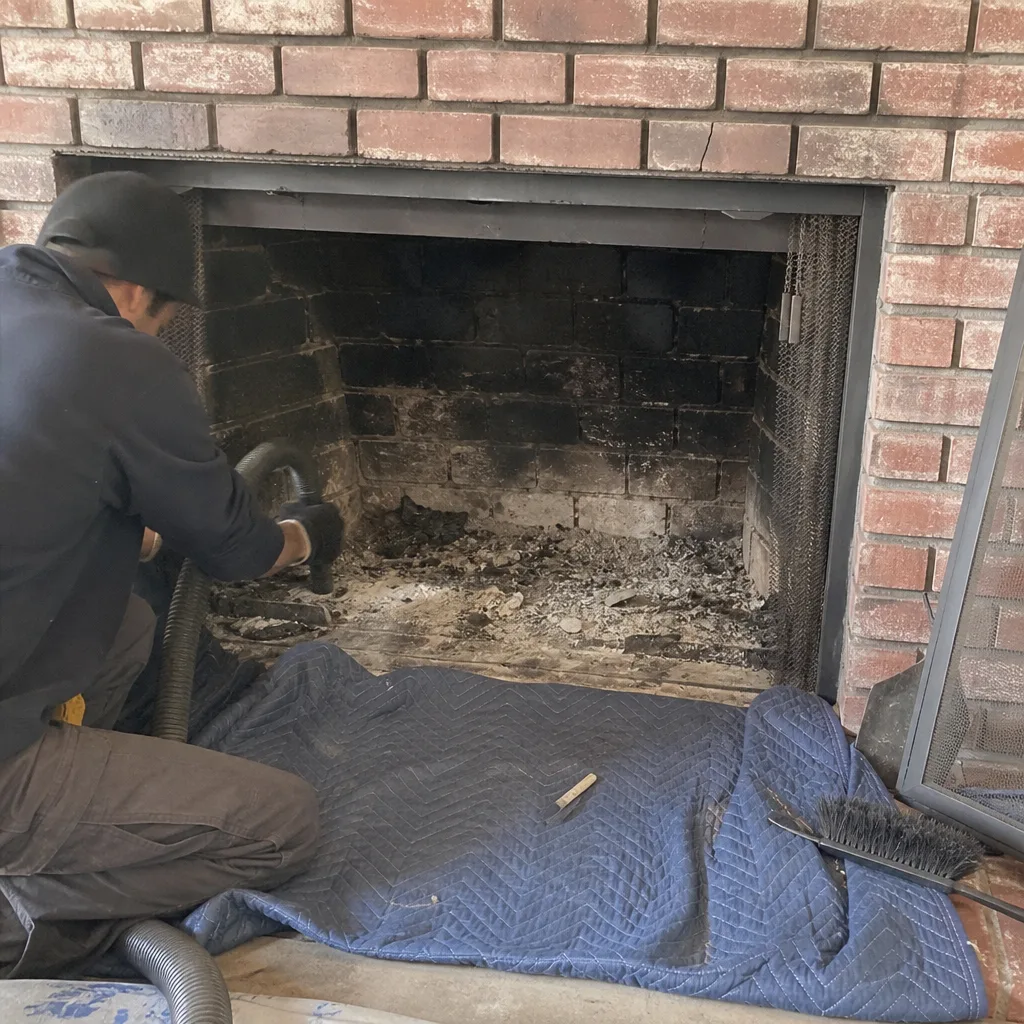 Before
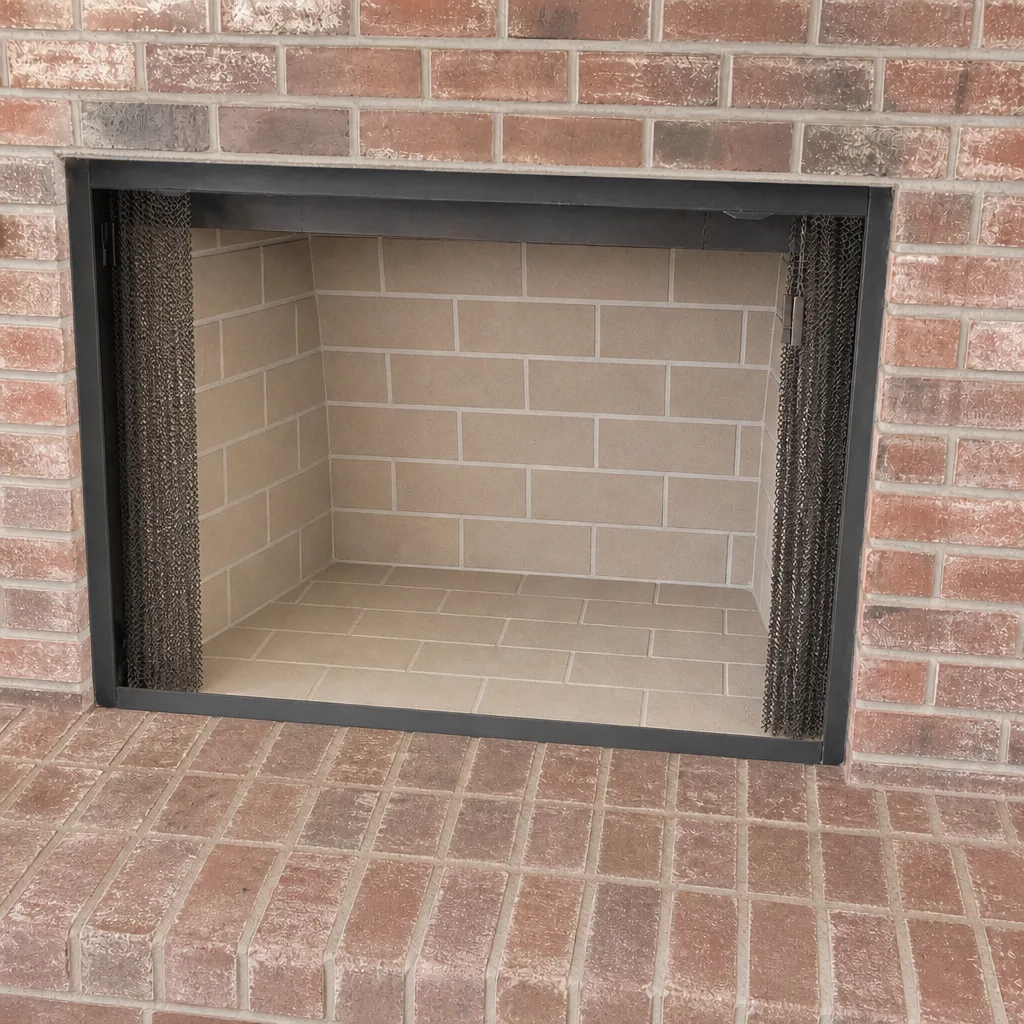 After
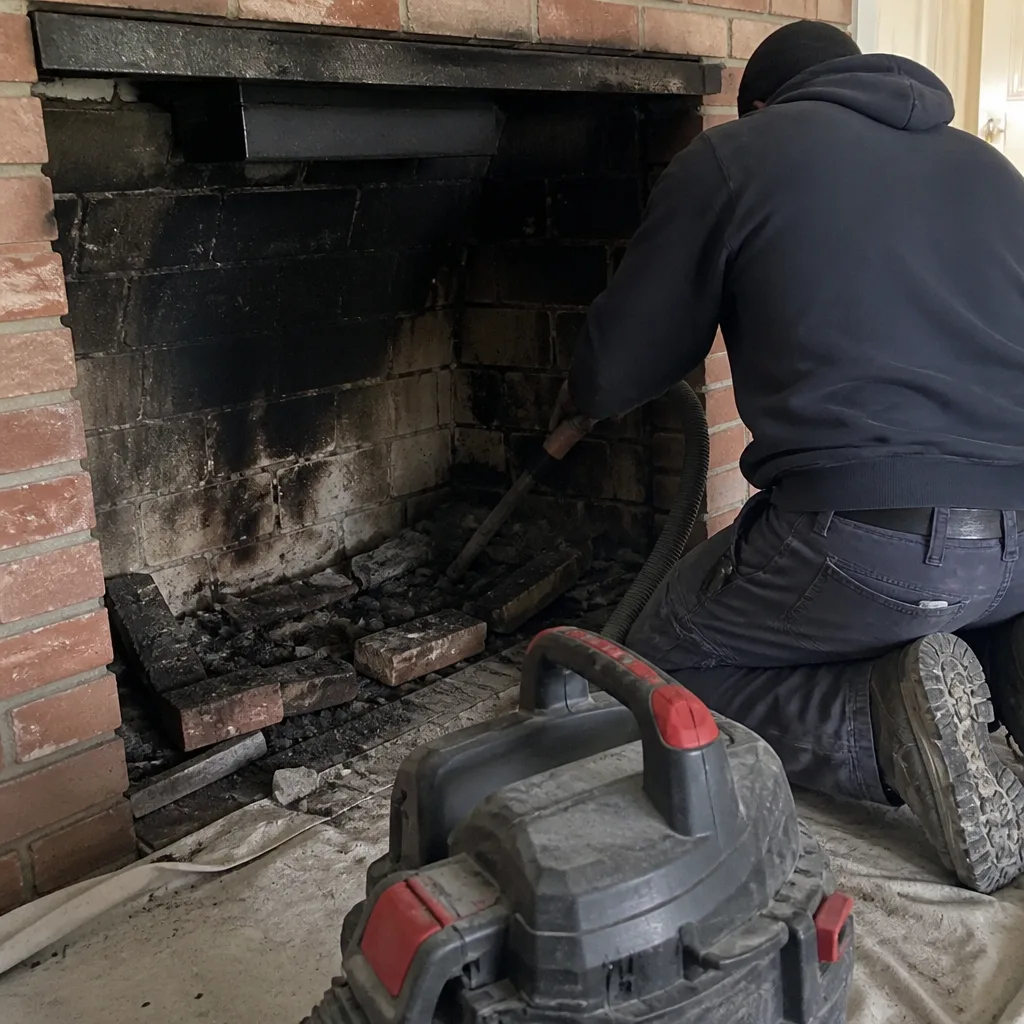 Before
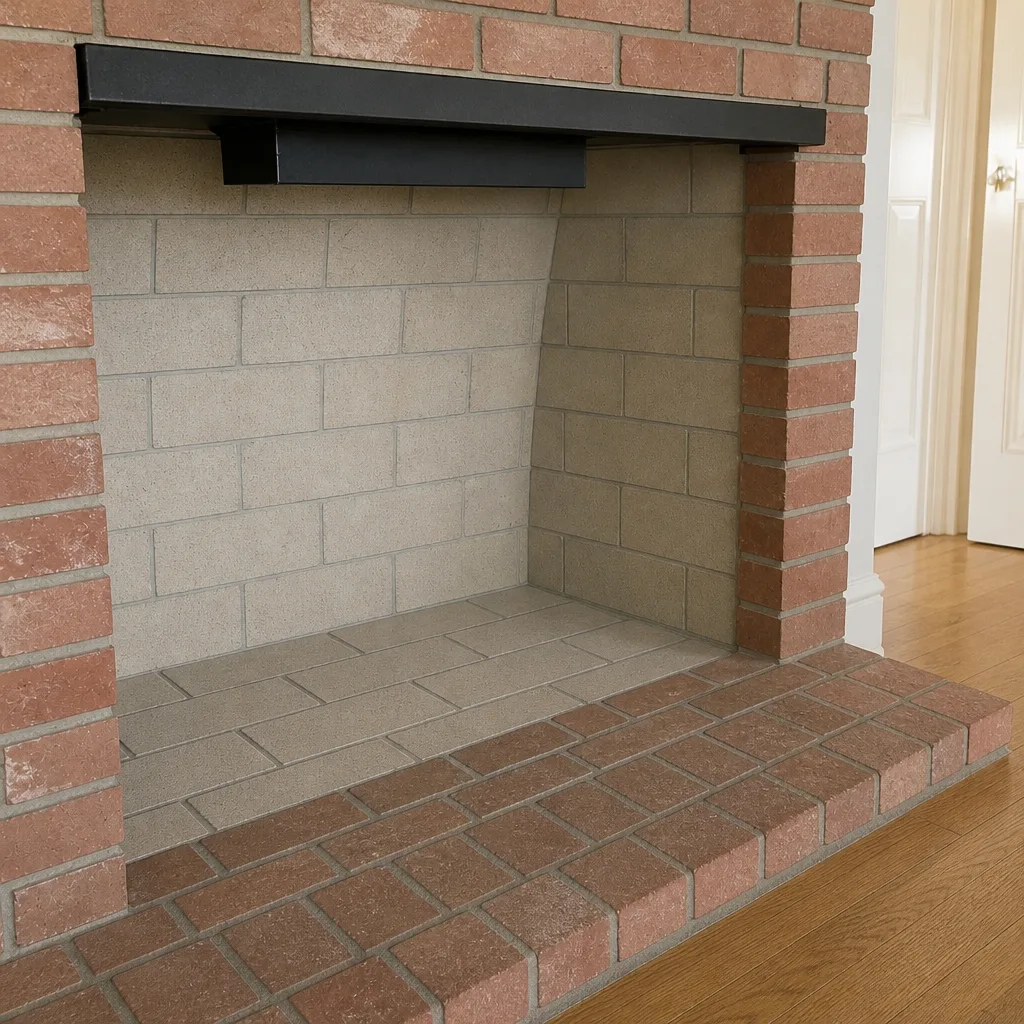 After