
Last updated November 15, 2026
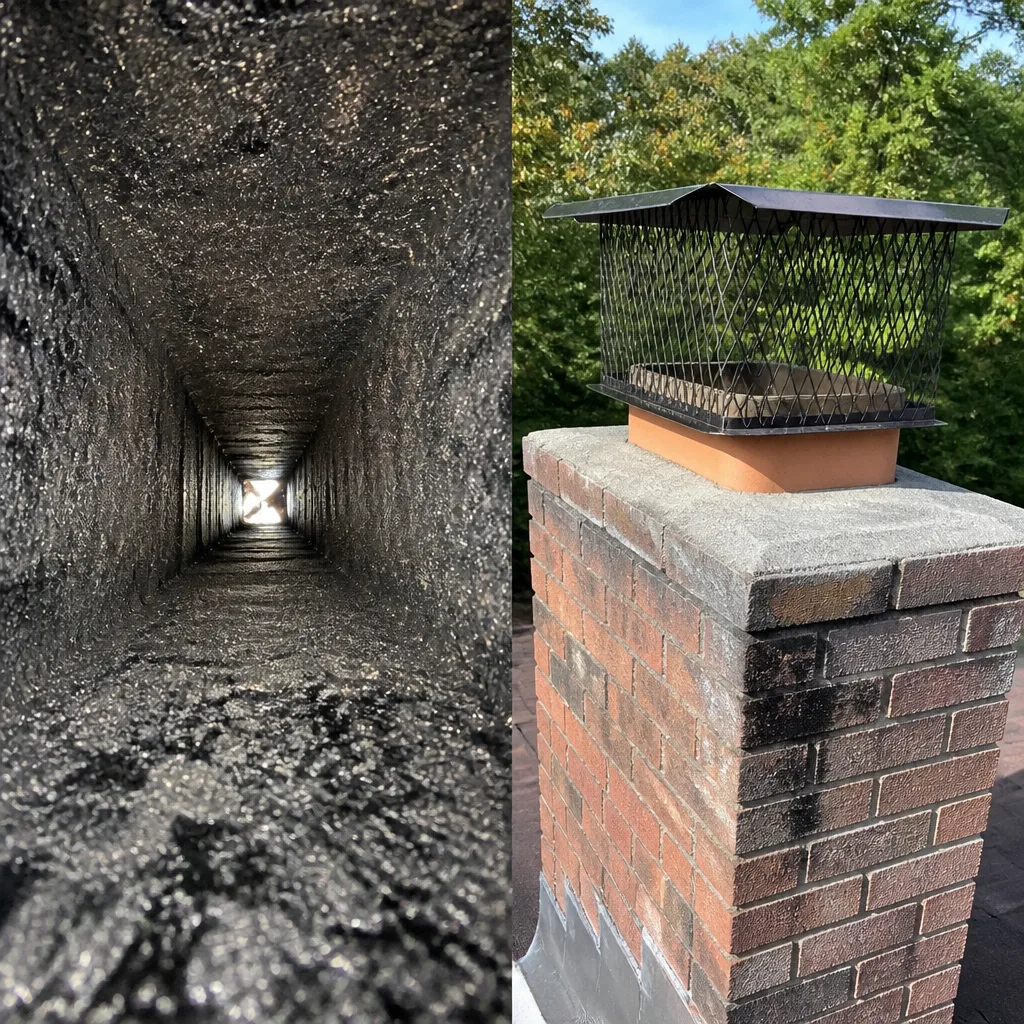 Sweep & inspection
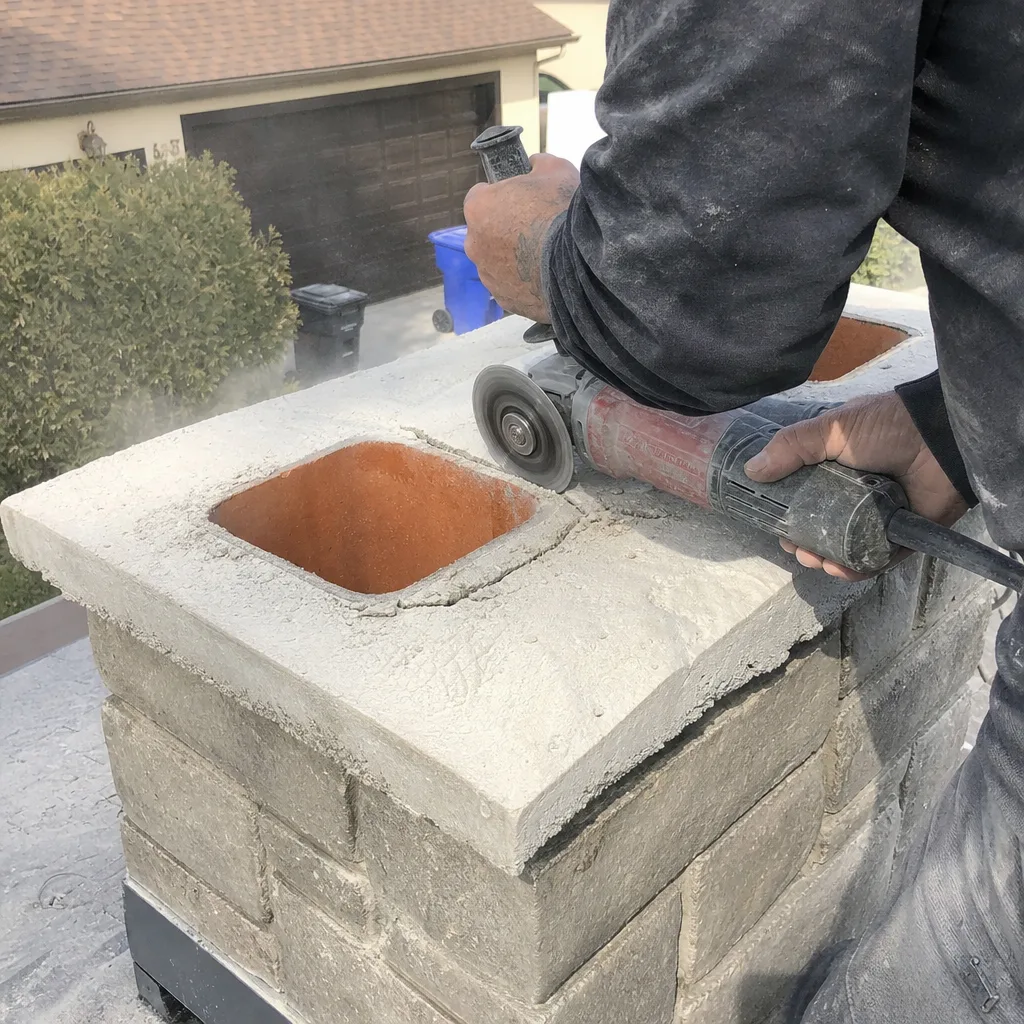
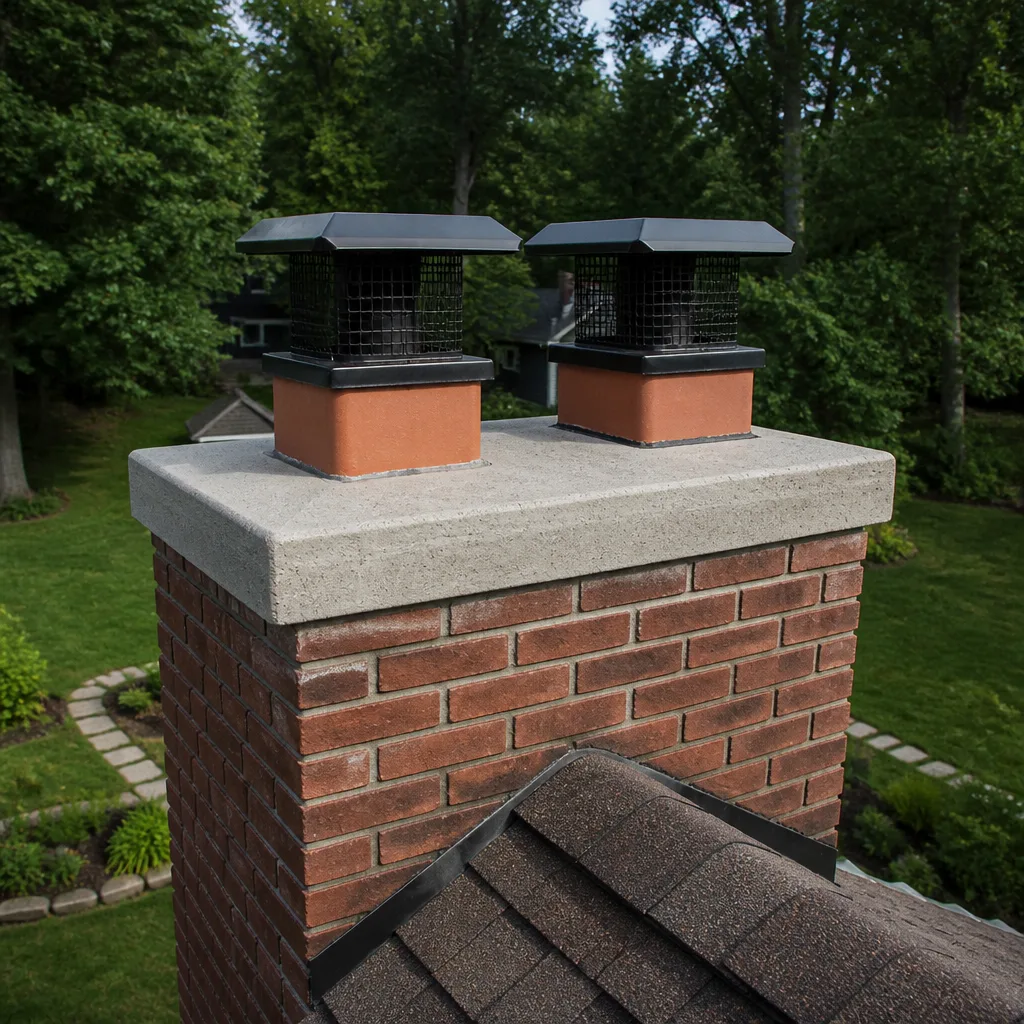 Caps & crowns
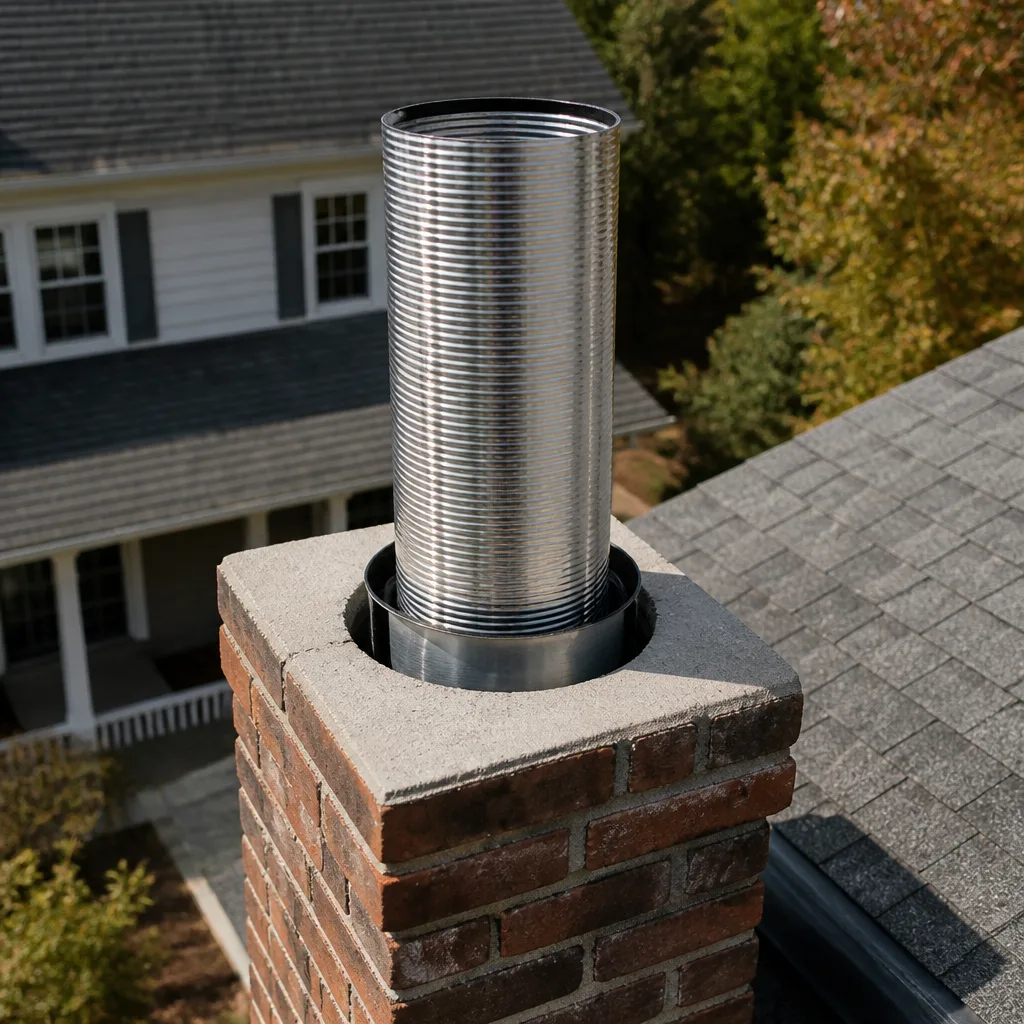 Flue relining
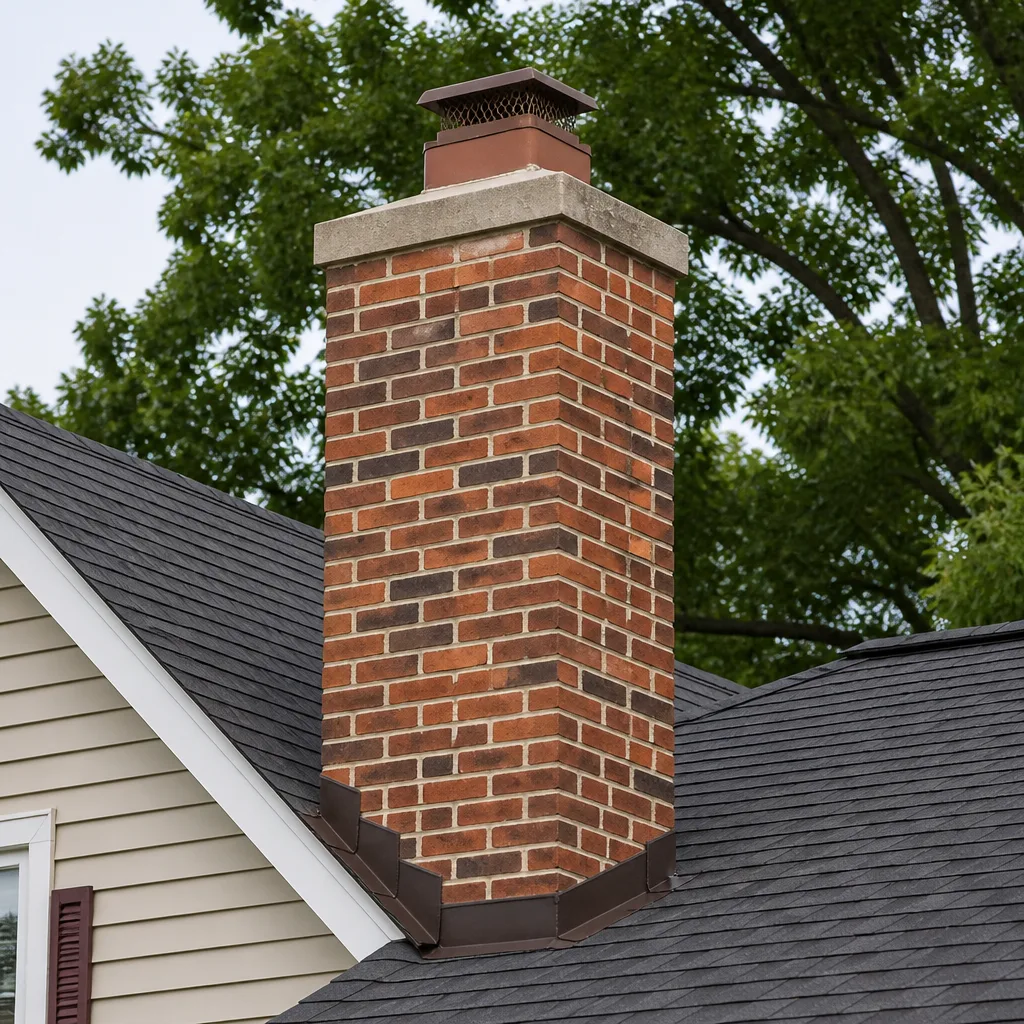 Masonry repair
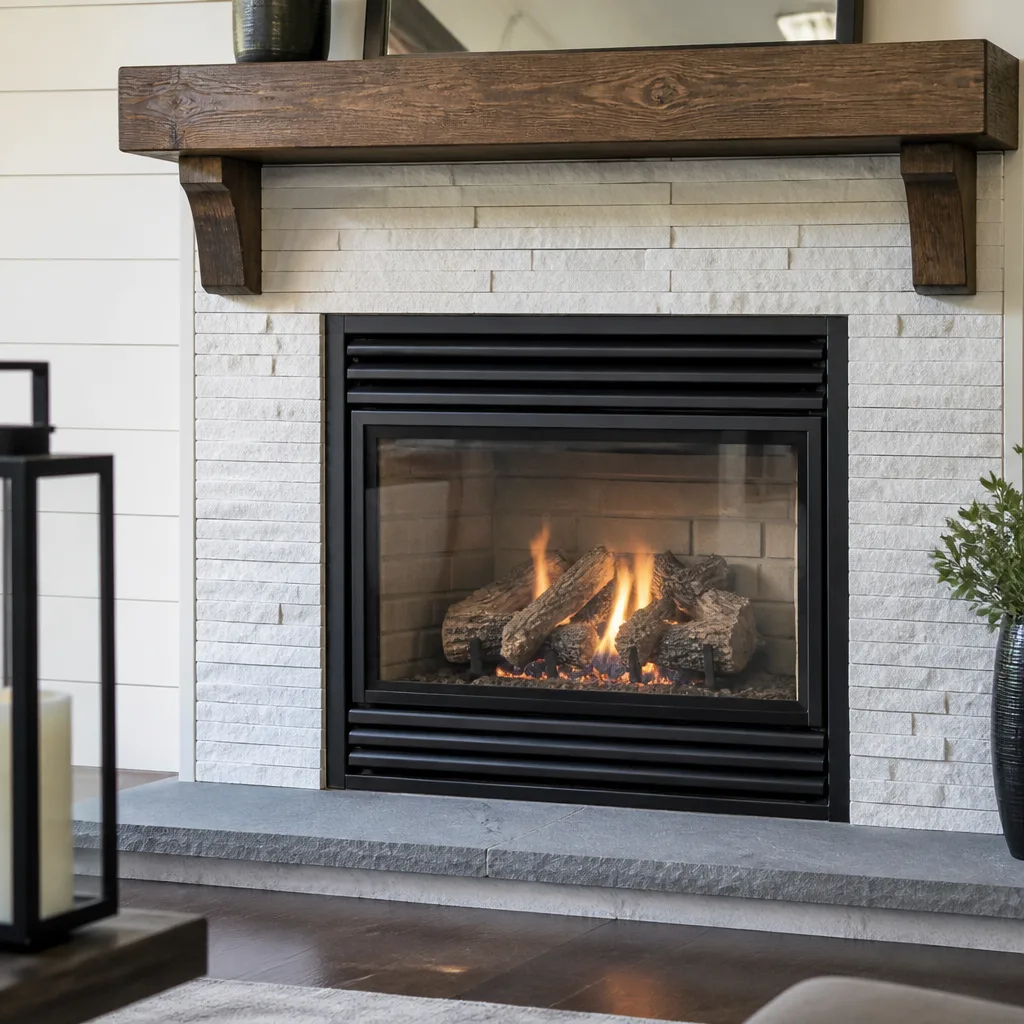 Gas fireplace service
Level 1 sweep and inspection to the NFPA 211 annual standard - flue, crown, cap, and flashing checked and photographed
Chimney sweep logs do not sweep chimneys. They loosen some creosote - which then falls where a brush and vacuum still have to collect it.
Chimney Cleaning Permits, Codes & Inspections in Paradise, NV: What You Need to Know
Your chimney sweep doesn’t need a permit to brush your flue. But if that same technician pulls out a damaged liner section and replaces it without one, your next home sale could stall over an unpermitted improvement. That gap between routine cleaning and regulated repair work is where most Paradise homeowners get caught off guard, because the two services look nearly identical on the invoice and nobody explains the difference. This guide draws the line clearly. We’ll cover what Clark County actually regulates, how Nevada’s residential code overlaps with NFPA 211, when a Level 2 inspection is required, and how to check permit history on a chimney before you buy a house in Paradise.
Quick Answer
Routine chimney cleaning in Paradise does not require a permit. Structural repair work, liner replacement, and any modification to the chimney system generally do, and Clark County expects that work to be permitted and inspected. NFPA 211 sets the technical standard for chimney systems nationwide, while Nevada’s adopted residential code sets the legal requirement locally. When the two overlap, the stricter local rule governs what gets permitted. If you’re unsure which category your job falls into, ask before the work starts. Call (844) 314-6144 and we’ll walk you through it.
Styles & brands we work with
- Sweep & inspection
- Caps & crowns
- Flue relining
- Masonry repair
- Gas fireplace service
Table of Contents
- Cleaning vs. Repair: Where the Permit Line Actually Sits
- Clark County Permit Thresholds for Chimney Work
- NFPA 211 and Nevada’s Residential Code: Which One Wins?
- What a Level 2 Inspection Is and When It’s Required
- Unpermitted Chimney Work and the Las Vegas Metro Resale Problem
- How to Check Permit Status Before You Buy a Paradise Home
- Requesting Inspection Records on Existing Chimney Work
- Common Mistakes to Avoid
- When to Call a Professional
- Frequently Asked Questions
Cleaning vs. Repair: Where the Permit Line Actually Sits
The permit question comes down to one idea: are you maintaining the chimney or changing it? Cleaning, sweeping, and visual inspection fall under maintenance. They remove creosote and debris without altering any component of the system. Liner replacement, crown repair, firebox rebuilding, damper replacement, and flue resizing all modify the assembly, which is why they move into regulated territory.
In our experience across Paradise, homeowners often don’t learn which side of that line they’re on until a technician is already on the roof. That’s backwards. You should know before the appointment what the job includes and whether documentation will follow.
What counts as maintenance (no permit)
- Brushing and vacuuming the flue
- Removing creosote, soot, and nesting debris
- Visual inspection of accessible components
- Cleaning the firebox and smoke chamber
- dryer vent cleaning, which is entirely separate from the chimney system and never permitted
What counts as repair or modification (permit typically required)
- Relining the flue with a new stainless system such as DuraFlex
- Rebuilding or resurfacing a damaged firebox or smoke chamber
- Crown replacement or significant masonry repair
- Changing the flue size or the appliance it serves
- Replacing a damper assembly or adding a top-sealing damper
Note that repair and modification are not the same thing as maintenance even when the repair is small. A single cracked crown tile replaced with matching material is still a structural repair. The scope of the permit may be small, but the paperwork exists.
Clark County Permit Thresholds for Chimney Work
Clark County treats chimney work the same way it treats other structural work on a home: if the job alters a permanent building component, a permit is generally required. Routine cleaning is not a construction activity, so it stays outside the permit system. Repair work falls inside it. The threshold question is scope, not cost, so a small crown repair and a full reline can both need a permit while a thorough sweep never does.
That distinction matters in Paradise because the local housing stock spans decades. Older homes around the central valley often have masonry chimneys with original liners that have taken years of heat cycling. Newer construction may have factory-built systems with specific manufacturer requirements. Both need permits for the same reason: the county wants a record that the work was done to standard, by the right process, and inspected afterward.
How the sequence usually works
- The homeowner or contractor determines the scope of work and whether it modifies a chimney component.
- If it does, a permit application is filed with Clark County before work begins.
- The repair is performed to the applicable standard, using manufacturer-specified materials.
- The work is inspected by the county, and the permit is closed out.
- The closed permit becomes part of the property record.
That last step is the one people skip in their minds. A closed permit is a permanent, checkable record. An unpermitted repair is a permanent, checkable absence. We mention this because we see the consequences play out during real estate transactions in Paradise, and the resolution is always more expensive than filing the permit would have been.
NFPA 211 and Nevada’s Residential Code: Which One Wins?
NFPA 211 is the national standard for chimneys, fireplaces, vents, and solid fuel appliances. It’s the technical reference the trade works from, and it defines things like clearance to combustibles, liner requirements, and inspection levels. Nevada’s adopted residential code is the legal requirement, and it typically incorporates NFPA 211 by reference rather than rewriting it.
So the two don’t actually compete. NFPA 211 tells a technician what a safe, correctly installed chimney looks like. Nevada’s code tells the building department what must be permitted and inspected. When a jurisdiction adopts a code that references a standard, the standard effectively becomes the law in that jurisdiction for the components it covers.
What that means in practice
- A technician who installs a liner without meeting NFPA 211 clearances has built something that won’t pass inspection, permitted or not.
- A homeowner who permits the work but skips the standard still ends up with a system that fails when the inspector looks at it.
- When local code is stricter than the standard in a specific area, the local rule governs.
This is why we work with professional-grade components from brands like HeatShield and Copperfield. Resurfacing a damaged flue with a product engineered for that purpose is a fundamentally different job than patching it with generic compound, and the difference shows up at inspection. If your chimney is being resurfaced, ask what system is being used and whether it’s rated for the appliance it serves. That single question filters out a lot of improvised work.
What a Level 2 Inspection Is and When It’s Required
A Level 2 inspection is a more thorough examination than the visual check that comes with a routine cleaning. It covers accessible areas of the chimney, attic, and crawlspace, and it typically includes a camera scan of the flue interior to look for cracks, gaps, and separation in the liner. NFPA 211 defines the three inspection levels, and Level 2 is the one that applies after a significant event or a change in ownership.
When a Level 2 inspection is required
- Any real estate transaction involving a property with a chimney or fireplace
- After a chimney fire, even one you didn’t realize happened
- After an earthquake, severe weather event, or other event that could have damaged the system
- When switching fuel type or changing the appliance connected to the flue
- When an existing system has known or suspected damage
- When a Level 1 inspection reveals a problem that needs a closer look
In Paradise, the real estate trigger is the one that comes up most. Homes change hands constantly across the valley, and a Level 2 inspection is often requested by the buyer after their general inspection flags the fireplace. Getting one done before listing is the cleaner approach, because it lets you address any finding on your own timeline instead of under contract pressure.
How to get a Level 2 documented properly
Ask for a written report with photographs of every finding, including the camera scan. A verbal “your chimney looks fine” is not documentation. The report is what a buyer’s agent will want to see, what an insurer may ask for, and what protects you if a question comes up later. When we perform inspection work, the photo record is part of the deliverable, not an add-on.
Unpermitted Chimney Work and the Las Vegas Metro Resale Problem
Here’s the practical consequence of an unpermitted repair: it doesn’t disappear when the work is finished. It sits in the property record as an absence, and it surfaces during due diligence. In the Las Vegas metro, where a large share of homes have a fireplace or a gas appliance vented through a chimney, a buyer’s inspector will eventually look at it.
What usually happens when unpermitted work is discovered:
- The buyer’s inspector flags the repair as undocumented and recommends further evaluation.
- The transaction stalls while the seller obtains a retroactive permit or a structural review.
- The cost of resolving the paperwork can exceed what the original permit would have cost.
- In some cases, the buyer asks for a credit or walks away entirely.
None of that is a scare tactic. It’s the ordinary sequence of a real estate transaction when a record is missing. The frustrating part is that the repair itself may be perfectly sound. A well-installed liner from DuraFlex or a proper HeatShield resurfacing is structurally fine work. It’s the missing permit that creates the problem, and nobody benefits from that.
In Paradise specifically, the combination of a large rental and investment market with frequent turnover makes this more likely to come up. Properties change hands, records get asked about, and the owners who have their documentation in order move through the process smoothly. If you’re planning a repair, permit it. If you’ve inherited a repair, get it documented before you list.
How to Check Permit Status Before You Buy a Paradise Home
You can check whether chimney work on a Paradise property was permitted. The process is straightforward and doesn’t require a contractor to run it for you. A little diligence before closing is worth far more than discovering the problem afterward.
Step-by-step
- Ask the seller for any documentation of chimney work, including permits, inspection reports, and receipts.
- Contact Clark County’s building department with the property address and ask for the permit history.
- Look specifically for permits related to the chimney, fireplace, or any fuel-burning appliance venting.
- If a permit appears, confirm it was closed out and that the inspection passed rather than remaining open.
- If no permit appears but evidence of repair exists, ask the seller to explain.
- Commission a Level 2 inspection if any part of the history is unclear.
The most common finding is not a fraudulent repair. It’s a repair that never got a permit because the homeowner didn’t know one was needed and the contractor didn’t raise it. That’s exactly why this guide exists. If you’re buying in Paradise and the fireplace matters to you, verify the record while you still have leverage in the transaction.
Requesting Inspection Records on Existing Chimney Work
Inspection records live with the building department that issued the permit, which for Paradise properties means Clark County. Requests are usually handled the same way you’d request other permit records for a property. Be prepared to provide the address and, if you can, the approximate timeframe of the work.
What to ask for:
- The permit number and issue date
- The scope of work described on the permit
- The inspection result and the date the permit was closed
- Any notes or corrections the inspector recorded
A closed permit with a passed inspection is the clearest evidence that the work was done to standard. An open permit means the job was started and never signed off, which is a problem you’d want resolved before closing. No permit at all, combined with visible repair work, means the documentation will have to be created retroactively.
When we’re called to evaluate a chimney in Paradise with an unclear history, we start with a camera inspection and we show the homeowner what we find on the screen. Nothing gets recommended without evidence the homeowner can see for themselves. If the system is sound and the work can safely wait, we say so. Your dryer vent is a chimney too, in the sense that it vents heat and combustion byproducts, and it’s worth checking at the same time as the chimney record. A chimney sweep visit is also the right moment to have both examined.
Common Mistakes to Avoid
- Assuming a cleaning covers repairs. A sweep is maintenance and never requires a permit. If the technician finds a cracked liner during the sweep, that’s a separate job that does require one. Get a written scope so you know which you’re paying for.
- Letting a contractor skip the permit to save time. An unpermitted repair follows the house, not the contractor. When the home sells in the Las Vegas metro, the missing record is your problem to solve.
- Accepting a Level 1 inspection for a real estate transaction. A Level 2 inspection is the standard for a sale, and it includes the camera scan a visual check can’t provide. Ask specifically for Level 2 documentation.
- Not asking what materials are being used. Generic patching compound in a firebox is not the same as HeatShield resurfacing, and it won’t hold. Ask for the product name and check that it’s rated for the application.
- Confusing a gas fireplace with no maintenance needed. Gas appliances still vent through a chimney, and that venting still needs inspection. The creosote is different, but the safety questions are the same.
- Ignoring the dryer vent in Paradise. Many homeowners check the chimney and never check the dryer vent, which is a well-documented fire risk. Have both looked at while the technician is in the house.
- Waiting for a problem to appear. Annual or seasonal inspection catches damage before it becomes structural. Catching a cracked crown early is a small repair. Catching it after water intrusion has spread is not.
When to Call a Professional
Call a professional before you authorize any work that involves the liner, the firebox, the crown, or the appliance connection. These are the categories where permits and standards apply, and where an unqualified repair can create a real hazard. Call if you’re buying a Paradise home and the inspection report flags the fireplace. Call if you’ve had a chimney fire, even a small one, or if you notice staining on the ceiling near the flue, a strong odor, or difficulty drafting. Call if your dryer is taking longer than it used to, because that’s a venting signal, not just a laundry annoyance. And call if you’re simply unsure whether a job needs a permit, since that’s the cheapest question to ask.
Chimney Sweep Paradise offers free estimates in Paradise. Call (844) 314-6144. We answer 24/7. Fast dispatch from 7am to 7pm, Sunday through Friday. Our technicians have up to 12 years of experience, and they can work with professional-grade systems including DuraFlex and HeatShield.
Frequently Asked Questions
No. Routine chimney cleaning in Paradise does not require a permit, because it’s maintenance rather than construction. The permit question only arises when the work modifies the chimney system, such as relining the flue, rebuilding the firebox, or replacing the crown. If you’re unsure which category your job falls into, ask before scheduling. Call (844) 314-6144 and we’ll tell you straight.
NFPA 211 treats a real estate transaction as one of the triggers for a Level 2 inspection. Local requirements can vary, so confirm with your real estate agent and Clark County if you want a definitive answer for your transaction. Practically, buyers in the Las Vegas metro often request one after a home inspection flags the fireplace. Getting it done before listing gives you the camera documentation and keeps the transaction moving. Call (844) 314-6144 for a free estimate.
The work doesn’t disappear from the property record, and the absence tends to surface during a home sale or an insurance review. The usual resolution is a retroactive permit or a structural evaluation, both of which take time and money. Doing it right the first time is always the cheaper path. If you’ve inherited unpermitted work, call (844) 314-6144 and we’ll help you figure out the next step.
No. Nevada’s adopted residential code is the legal requirement, and it typically incorporates NFPA 211 by reference. NFPA 211 sets the technical standard for how a chimney system should be built and maintained, while the local code sets what must be permitted and inspected. When the two overlap, the stricter local rule governs. In practice, a repair done to NFPA 211 standards and permitted through Clark County satisfies both.
The generally accepted guidance is once a year for a chimney in active use, and more often if you burn heavily or notice creosote buildup. In Paradise, where the burning season is short but intense, an annual inspection before you start using the fireplace is the practical rhythm. Our Chimney Sweep Paradise team can check your system and tell you whether you’re due. Call (844) 314-6144 for a free estimate.
It can usually be resolved, but the buyer needs to know what they’re dealing with before closing. Commission a Level 2 inspection, request the permit history from Clark County, and ask the seller to either close out any open permits or credit the cost of doing so. Working through the Paradise market, we’ve seen clean documentation turn a stalled transaction into a straightforward one. Call (844) 314-6144 to schedule an inspection.
The Bottom Line
Cleaning doesn’t need a permit. Repair almost always does. That single line is the whole guide in miniature, and it’s the one most Paradise homeowners never hear until a home sale is already in motion. NFPA 211 defines what a safe chimney looks like, Clark County defines what must be permitted, and the two work together rather than against each other. If you’re buying, check the permit history and request a Level 2 inspection. If you’re selling, get your documentation in order first. If you’re repairing, use a professional-grade system and permit the job. Everything else follows from those three habits.
Chimney Sweep Paradise covers the full scope of chimney work, from a routine sweep to structural restoration and dryer vent cleaning. Call (844) 314-6144 for a free estimate. We answer 24/7. Fast dispatch from 7am to 7pm, Sunday through Friday.
Written by the team at Chimney Sweep Paradise.
See the difference
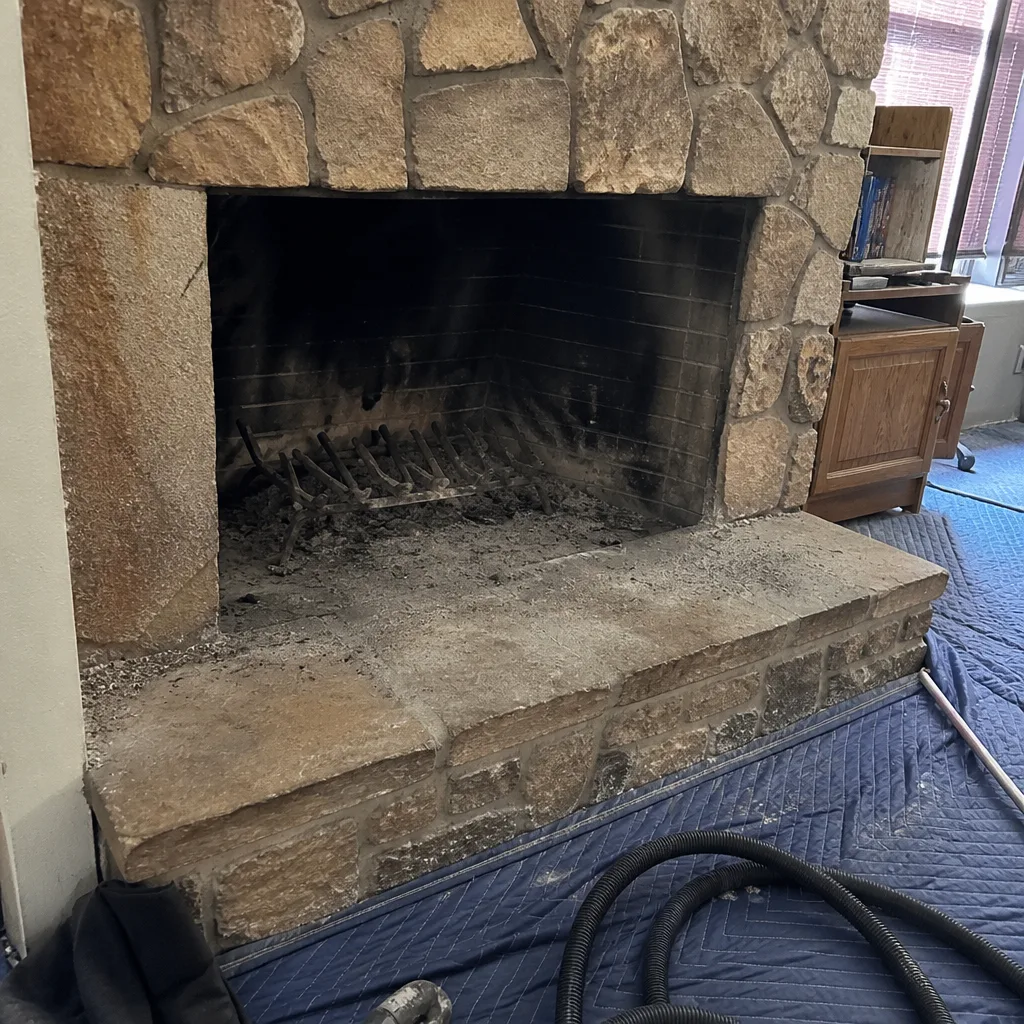 Before
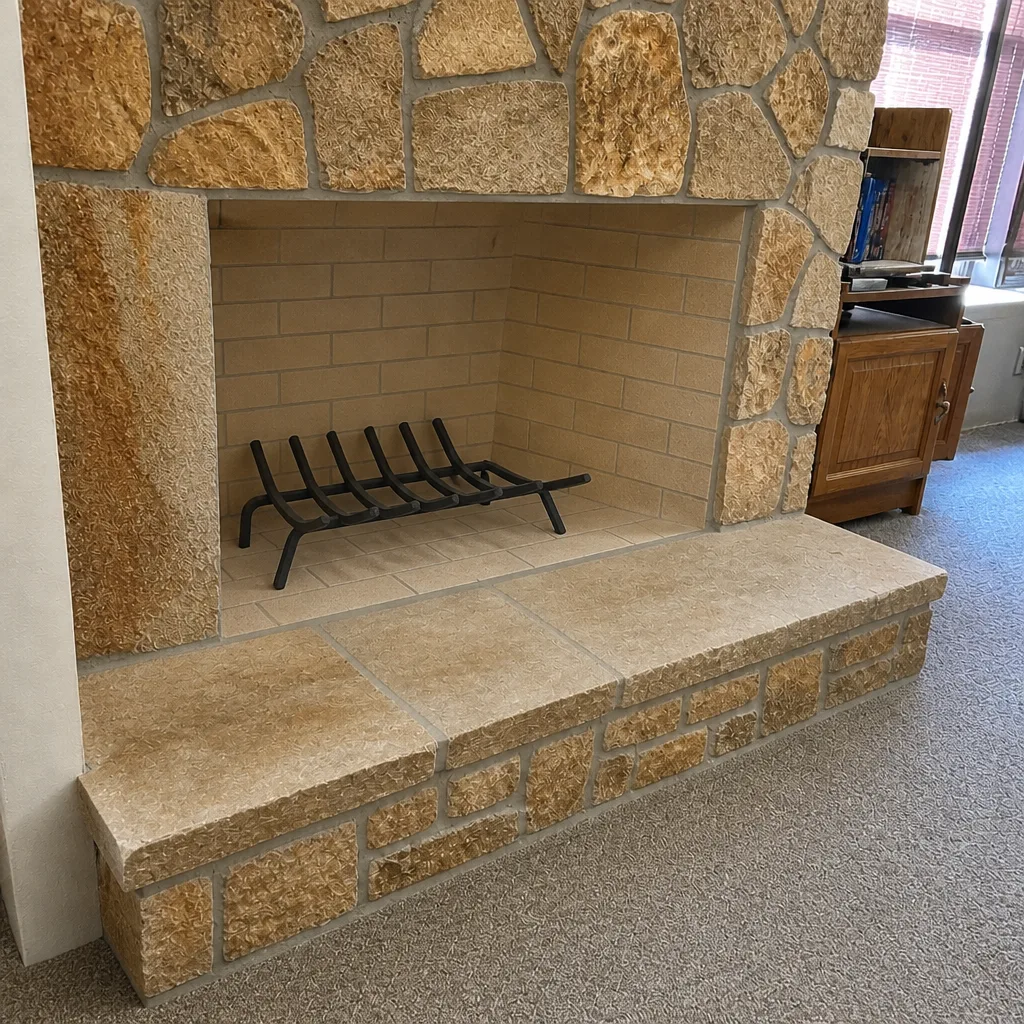 After
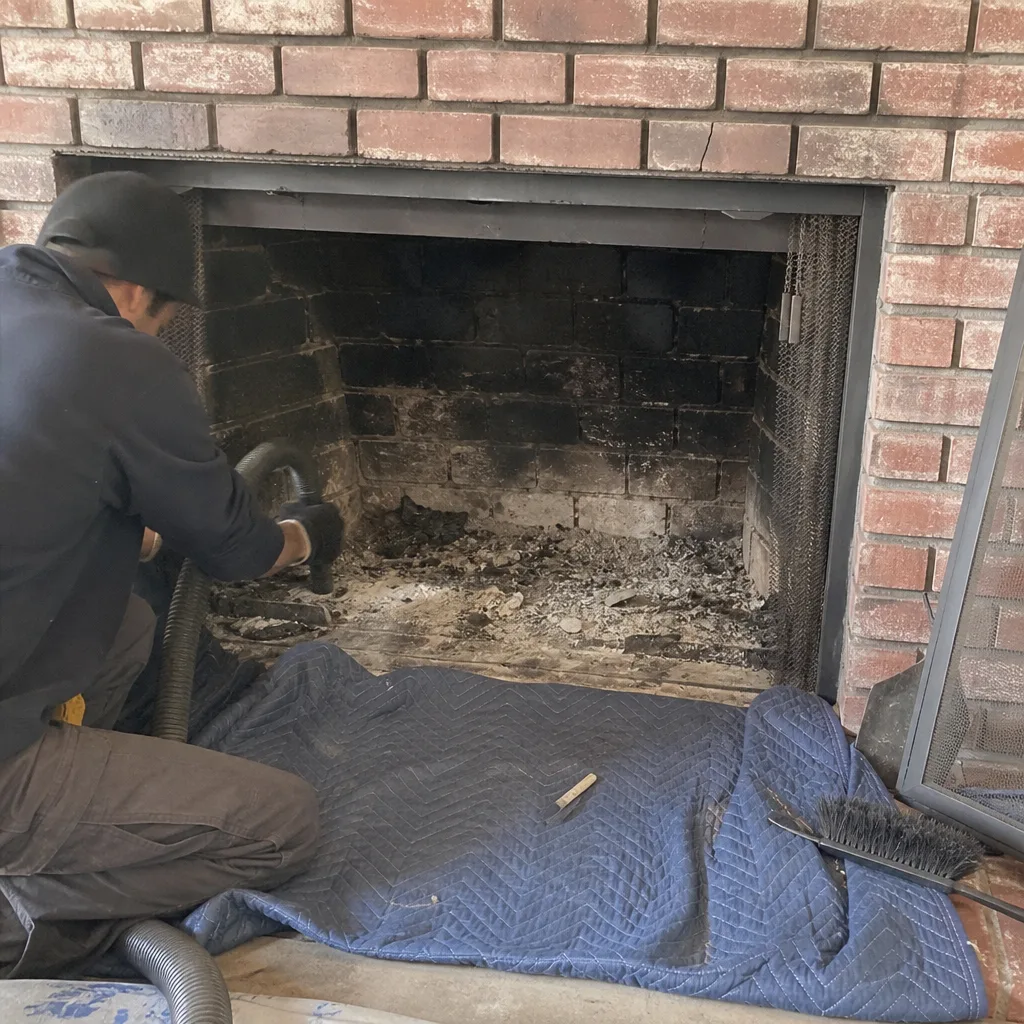 Before
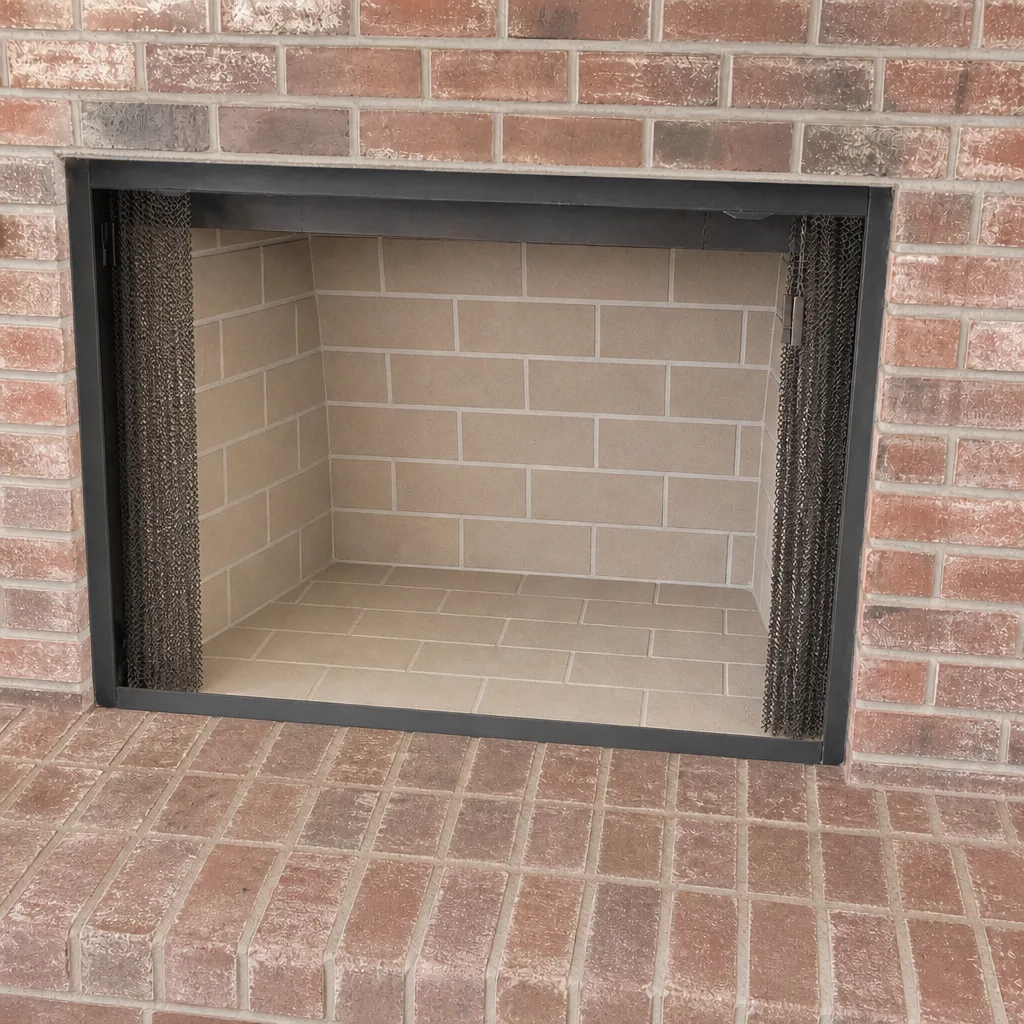 After
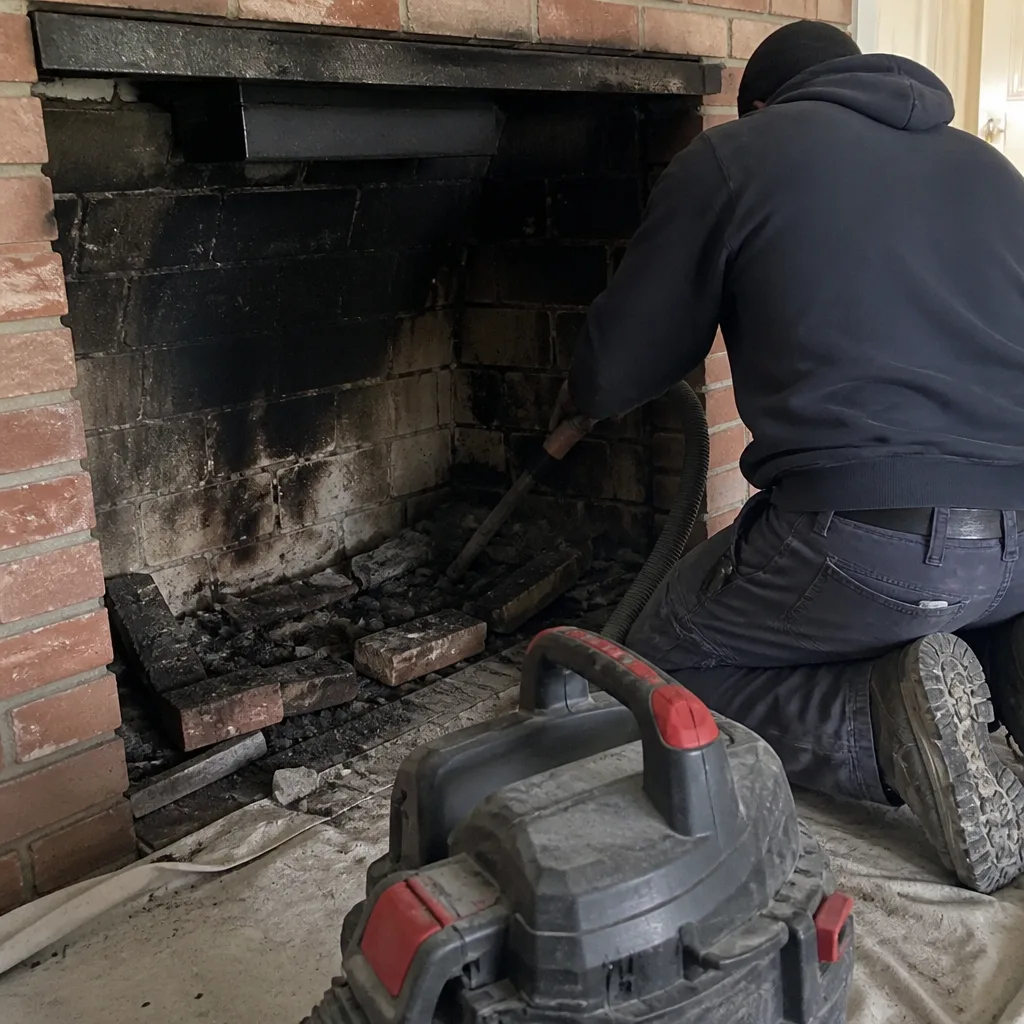 Before
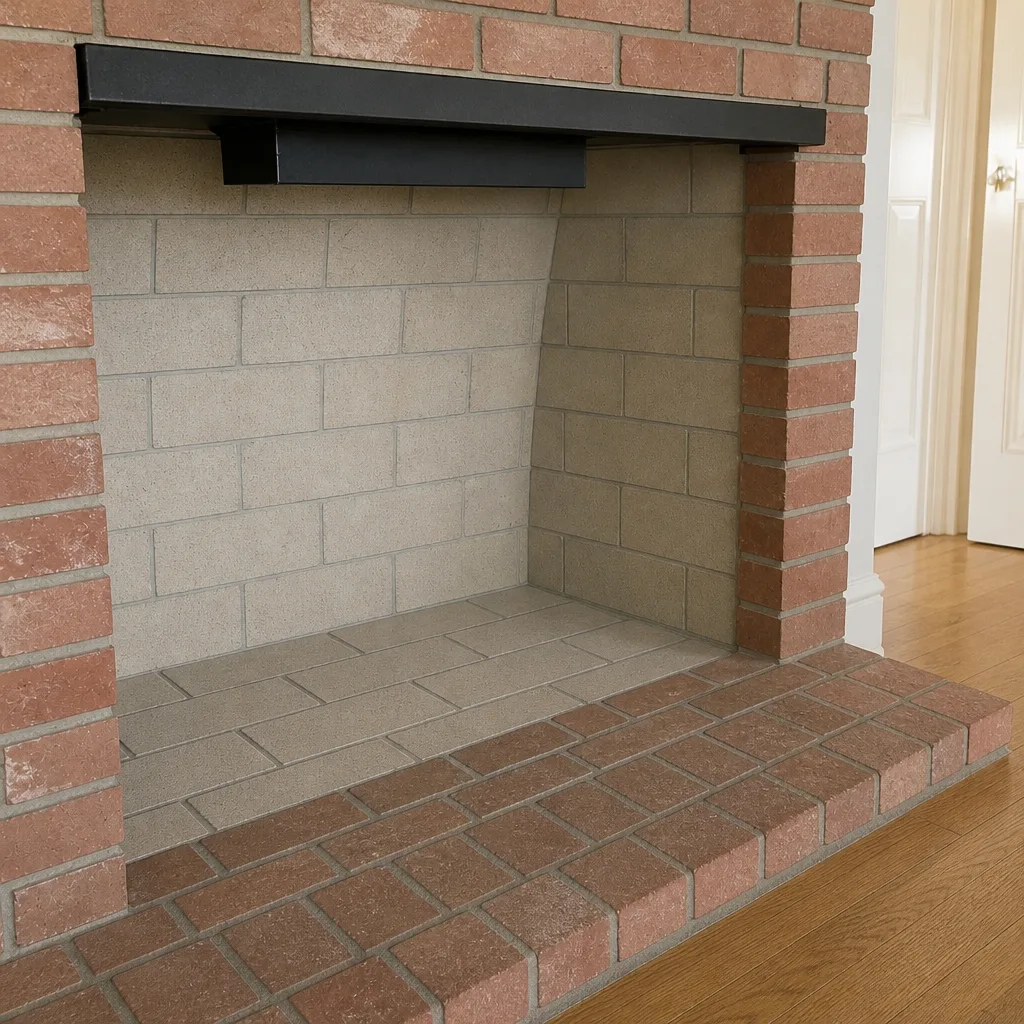 After