
Last updated November 15, 2026
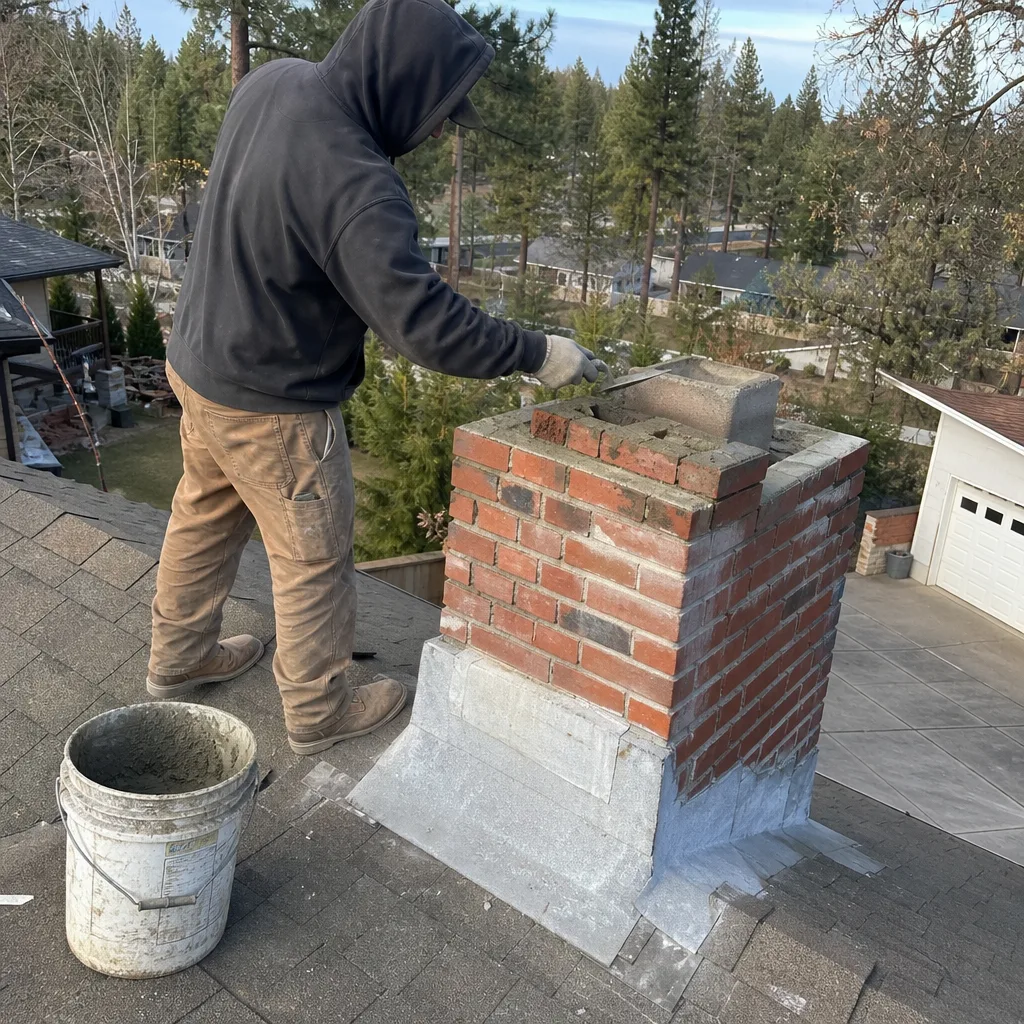
 Sweep & inspection
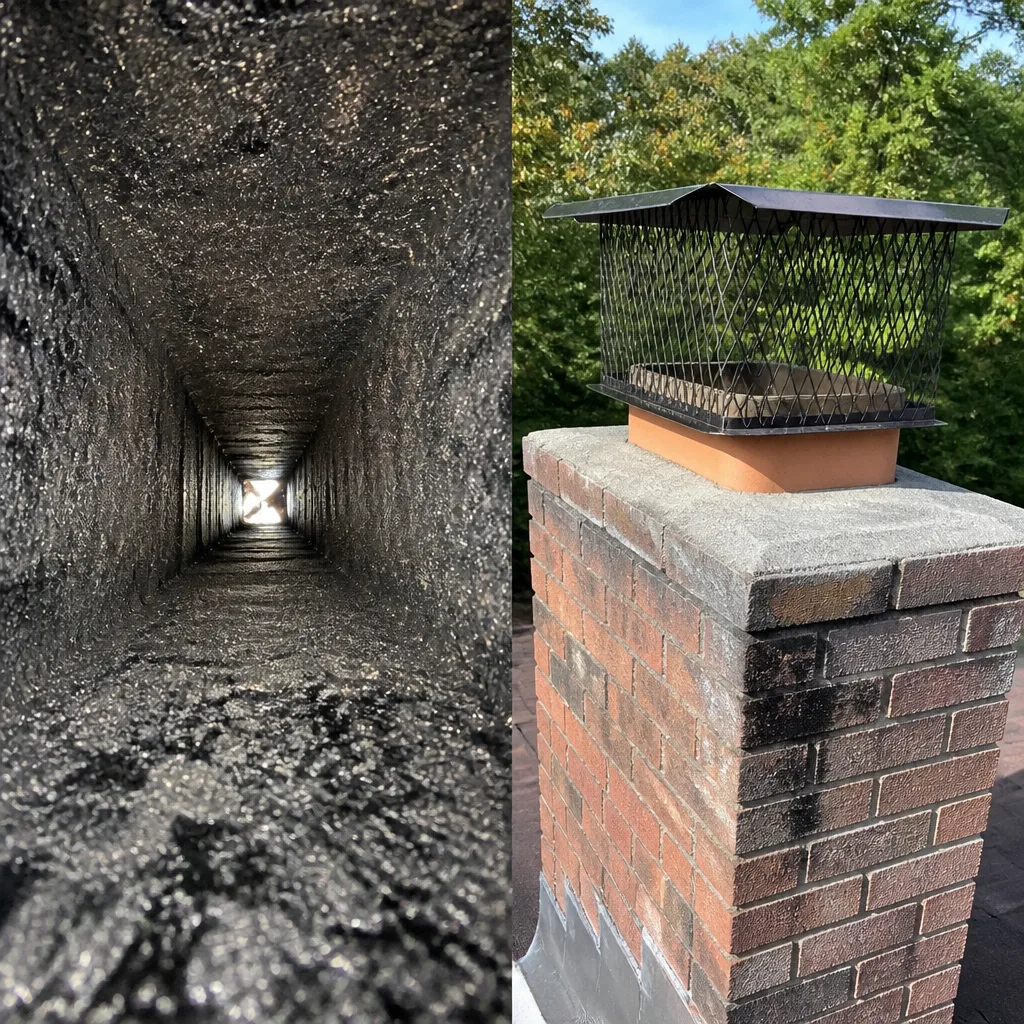
 Caps & crowns
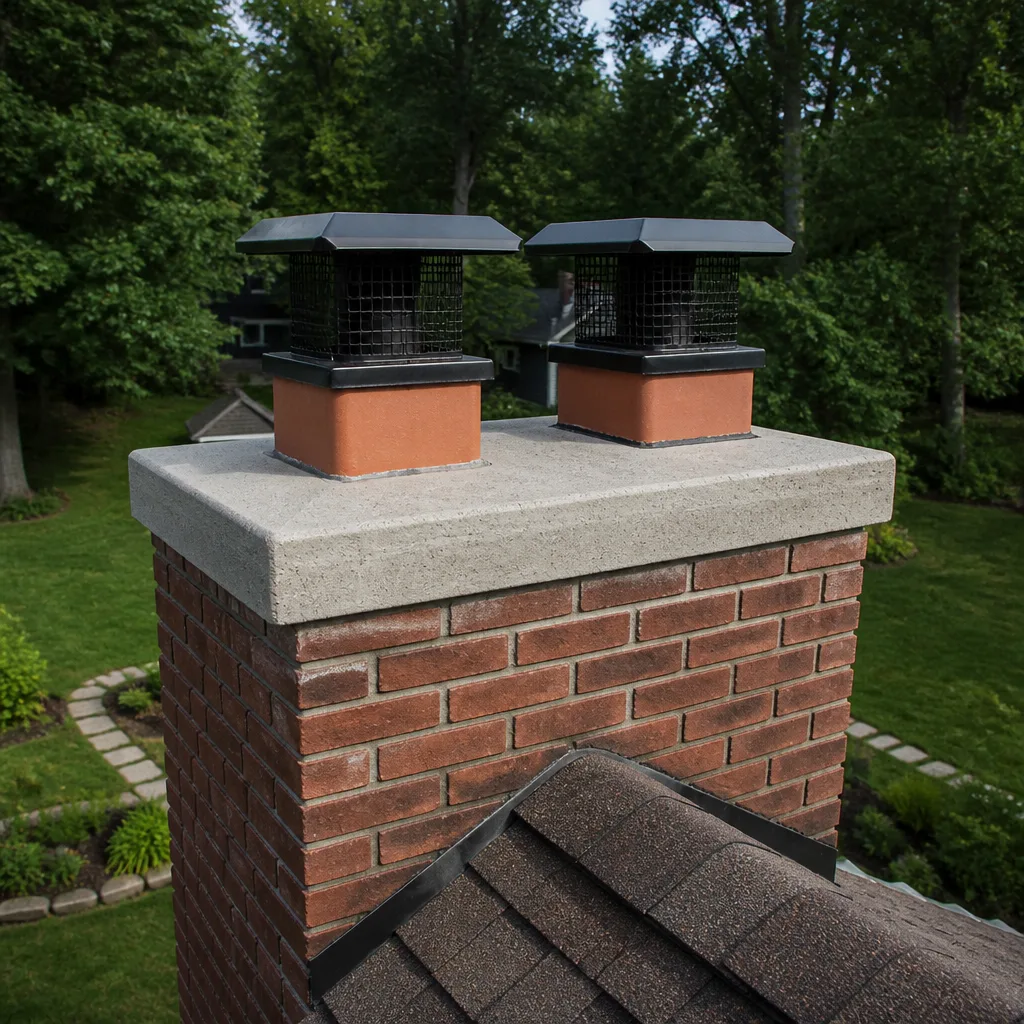
 Flue relining
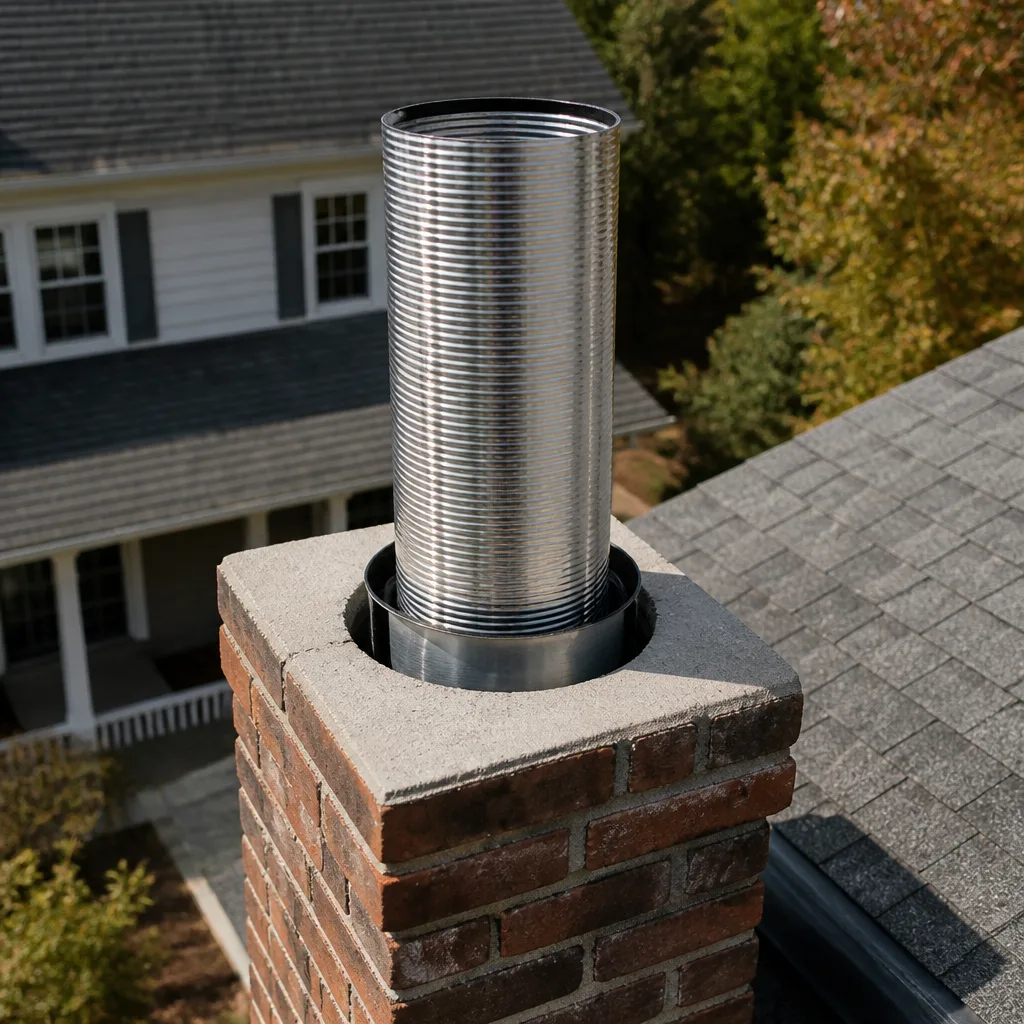
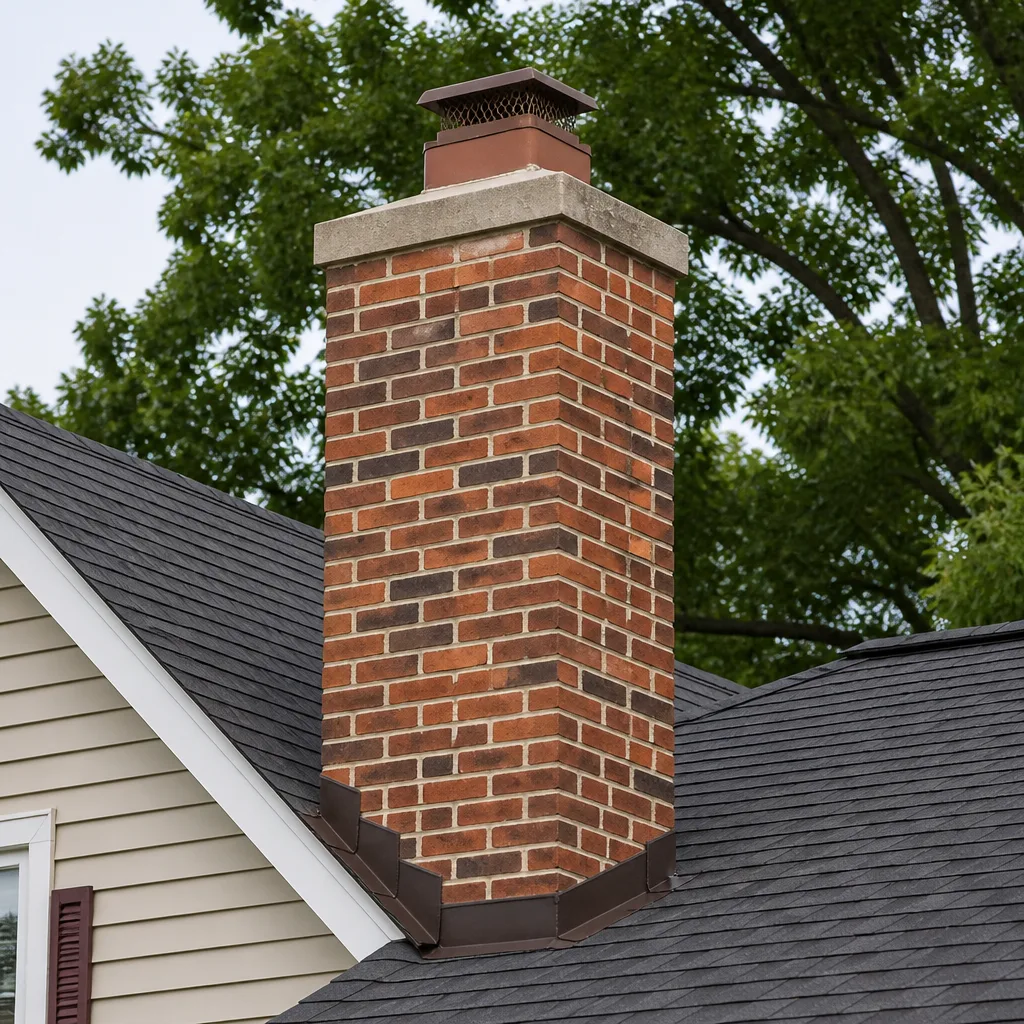 Masonry repair
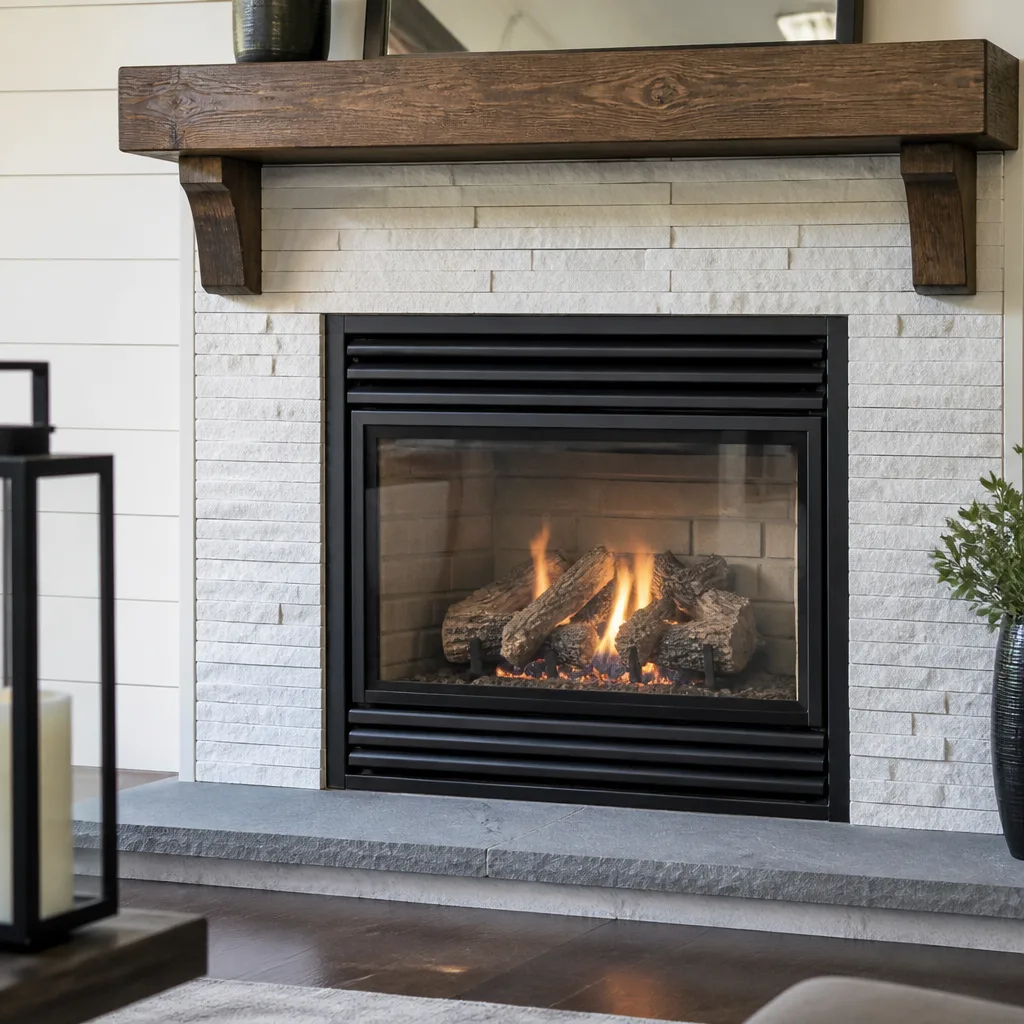 Gas fireplace service
Level 1 sweep and inspection to the NFPA 211 annual standard - flue, crown, cap, and flashing checked and photographed
Chimney sweep logs do not sweep chimneys. They loosen some creosote - which then falls where a brush and vacuum still have to collect it.
Chimney Cleaning Cost Breakdown: The Paradise Homeowner’s Reference for 2026
The $79 chimney cleaning on a coupon mailer covers one thing: a brush pass through the flue. What it doesn’t cover is what that sweep finds, and what happens next is where the real cost conversation begins. Most homeowners in Paradise assume the number on the flyer is the price of chimney care. It’s the price of a single step in a longer process that protects the house from a fire inside the vent. This guide breaks down every line item a professional invoice should carry, why quotes in and around Paradise swing from under a hundred dollars to several hundred, and how to read two competing bids so you’re comparing the same job instead of two different ones.
Quick Answer
A standard chimney sweep in the Paradise area typically runs $150 to $350 for a wood-burning fireplace, and a gas appliance vent cleaning often lands between $120 and $220. That figure usually includes a Level 1 inspection and a photo report. If the sweep turns up a cracked flue, a missing cap, or heavy creosote, repair and resurfacing are quoted separately from the cleaning.
Styles & brands we work with
- Sweep & inspection
- Caps & crowns
- Flue relining
- Masonry repair
- Gas fireplace service
Table of Contents
- What actually drives the cost of a chimney cleaning?
- The line-by-line anatomy of a professional invoice
- How Paradise construction and climate affect pricing
- Level 1, 2, and 3 inspections: cost and when each is warranted
- Common add-ons: what’s necessary and what can wait
- How to use competing quotes as a vetting tool
- Common mistakes to avoid
- When to call a professional
What actually drives the cost of a chimney cleaning?
Four things move the price of a cleaning more than anything else: how much creosote is inside the flue, how hard the chimney is to reach, whether it’s wood or gas, and whether the technician finds a defect during the sweep. A lightly used fireplace in a one-story home is the simplest job. A two-story house with a steep pitch, a stubborn third-degree creosote deposit, and a flue that needs a camera run is the other end of the range.
We’ve watched the pricing conversation in Paradise shift as more homeowners ask for the inspection to be documented. A sweep that produces photos and a written report costs a little more than a quick brush-and-go, and it’s worth it. The report is what you hand to a buyer at resale, and it’s what stops a contractor from telling you a flue is failing when there’s no evidence in front of you.
Here’s the practical breakdown of what separates a $150 job from a $350 job:
- Creosote stage. A light dusting brushes out fast. Glazed, tar-like creosote takes longer and needs specific tools.
- Access and height. Rooftop access on a single-story home is straightforward. Tall chimneys, tight clearances, and rooftop equipment add labor.
- Fuel type. Gas venting pulls differently from a wood flue and requires its own approach.
- What the sweep finds. A damaged cap or a cracked crown can shift the invoice from cleaning into repair.
The important point is that the number reflects scope. When two quotes differ by hundreds of dollars, they usually aren’t pricing the same work.
The line-by-line anatomy of a professional invoice
A professional cleaning invoice should itemize what was done, not lump it into a single number. If your quote is one line that reads “chimney clean,” ask for the detail. Here is the itemization we consider standard for a proper chimney sweep.
- Setup and floor protection. Drop cloths, a sealed vacuum system, and staging so no soot lands in the living room.
- Flue brush and creosote removal. The core of the job, matched to the creosote stage found inside.
- Firebox and damper cleaning. Ash, soot, and debris cleared from the firebox and damper assembly.
- Smoke chamber check. A look at the smoke chamber above the damper, where turbulence and buildup cause drafting problems.
- Cap and crown inspection. Confirming the cap is intact and the crown isn’t cracked or shedding.
- Level 1 inspection. A visual check of the accessible portions of the venting system.
- Photo documentation and report. Images of what was found, with recommendations ranked by urgency.
- Debris removal. The sweep hauls away what it pulls out rather than leaving it for you.
Notice what’s on that list and what isn’t. There’s no fee for arriving, no diagnostic charge, and no line for “inspection credit.” Those are marketing structures, not line items of actual work. When one of those fees appears, ask what it buys.
What the invoice should also carry is the technician’s assessment of the venting system. That’s where value lives. A clean flue attached to a failing smoke chamber is still a hazard, and the report is how you learn the difference.
How Paradise construction and climate affect pricing
Paradise homes are built for desert living, and that shapes chimney work in ways a generic price guide won’t capture. Flat roofs are common in this market, which changes how a technician reaches the chimney termination and how caps and crowns are inspected. Rooftop access on a flat roof is different from a pitched one, and it affects labor time on the invoice.
Single-story versus two-story matters just as much. A one-story home means a shorter flue run, simpler access, and usually a lower scope of work. A two-story chimney carries more flue length, more creosote travel distance, and often a harder rooftop approach. If you’re comparing quotes and one was written for a single-story and the other for a two-story, they aren’t the same job.
Gas versus wood is a third driver. Gas fireplaces and gas appliance vents have their own venting behavior and their own cleaning needs. Many homes in Paradise run gas logs, which means the job looks different from a wood-burning flue: less soot, different deposits, but a system that still needs inspection. A gas flue that never gets checked can fail silently because the signs of trouble don’t show up on the hearth.
The desert climate adds a quieter factor. Dry conditions and wide temperature swings work on mortar and crowns. A crown that’s shedding slowly in a wet climate might crack faster under the daily expansion and contraction here. We’ve seen that show up as water intrusion during the cooler months when the fireplace gets used again. Good chimney and vent work starts with knowing what the local construction pattern looks like, not applying a template from another region.
Level 1, 2, and 3 inspections: cost and when each is warranted
Most homeowners have never heard of inspection levels, and that gap is exactly where pricing confusion grows. Each level is a defined scope of work, and the price reflects that scope. You shouldn’t be paying for a Level 2 unless the situation calls for it, and you shouldn’t accept a Level 1 when a real estate transaction or a problem you’ve noticed requires more.
Level 1 inspection. A visual check of accessible parts of the venting system, the firebox, the damper, and the reachable flue. It’s usually bundled into a routine sweep and rarely adds a line to the invoice. Schedule one with each annual cleaning.
Level 2 inspection. A more involved inspection that includes access to areas a Level 1 can’t reach, often with a camera to see inside the flue. It’s warranted when you’re buying or selling a home, when the appliance or venting has changed, or when you’ve noticed a problem like drafting issues or smoke spillage. Expect it to run higher than a Level 1 because it takes more equipment and more time.
Level 3 inspection. The most extensive level, used when a Level 2 reveals a concern that requires opening up part of the structure to inspect it properly. It’s uncommon, and it’s priced per situation because the work required varies. It’s the level we recommend only when the evidence points there.
The decision matters for cost. Paying for a Level 2 when a Level 1 would have answered the question is overspending. Accepting a Level 1 when a Level 2 is warranted is the riskier mistake because it can leave a real defect unseen. We’ve made it our position that nothing gets recommended without visual evidence you can review yourself. In our experience, that’s what separates a quoted scope from a guess.
Common add-ons: what’s necessary and what can wait
The upsell question is where homeowners feel the most exposed, and reasonably so. A technician on your roof with a clipboard is not in an easy position to be questioned. Here’s a straight read on the add-ons that come up most often and when each genuinely matters.
Cap replacement. The cap keeps rain, debris, and animals out of the flue. A missing or damaged cap is a real problem and worth fixing. A cap that’s old but intact can often wait a season, and you should ask for a photo of the condition before agreeing to replace it.
Animal guard installation. If you’ve had birds or animals get into the flue, a guard is a practical fix. If you haven’t, and the cap is already in good shape, this can wait. Ask whether the existing cap does the job.
Smoke chamber parging. The smoke chamber is the space above the damper where gases slow down and turn. A rough, worn smoke chamber can cause troubled drafting and is where professional-grade resurfacing makes a difference. When it’s genuinely needed, a proper resurfacing system is not a generic compound. That’s where a manufacturer-specific product like HeatShield enters the picture, and it’s a legitimate reason to trust one bid over another when the scope calls for it.
Liner replacement. A cracked or deteriorated flue liner is a safety matter, not an optional upgrade. When it’s needed, materials matter. DuraFlex liner systems are the kind of professional-grade product that should be on the quote, and a bid that proposes a generic no-name liner for the same price deserves a second look.
The honest rule: ask for the photo before agreeing to any add-on. A legitimate recommendation comes with evidence. One that arrives without it can usually wait until you’ve reviewed the report.
How to use competing quotes as a vetting tool
Two quotes are not two prices unless they describe the same scope. Read them side by side and look for these signals before you decide.
A suspiciously low bid usually means one of a few things:
- The quote doesn’t include an inspection, so you’re paying for the brush and nothing else.
- The technician isn’t planning to document what was found, which means you have no evidence to evaluate repair claims later.
- The add-on price is where the real money is, and the low cleaning price is the hook.
A suspiciously high bid usually means one of these:
- The quote bundles repairs or resurfacing that haven’t been justified by anything on the report.
- It’s priced for a more complex inspection level than the situation calls for.
- It uses a premium number as a shortcut to authority, without a line item that explains the premium.
The way to use both quotes is to call each contractor and ask three questions: what is being cleaned, what inspection level is included, and will I get photos. The bid that answers all three cleanly, and can name the materials it uses, is the one to compare on equal terms. That last part is easy to check: a professional will tell you exactly which brand of liner or resurfacer is on the quote.
When repairs are recommended, that’s where the gap between a contractor’s materials shows up. We work with professional-grade systems from manufacturers like Olympia Chimney and Copperfield because the resale and safety questions don’t allow for off-brand substitutes. An estimate you can verify is worth more than a discount you can’t.
For readers curious about how this plays out in their own city, the Paradise area guide covers the local market in detail. Homeowners with a chimney and a dryer vent to check in one visit often ask about combining a cleaning with dryer vent cleaning, which is worth considering since both are vent systems.
Common Mistakes to Avoid
- Treating the coupon price as the real price. A $79 headline typically covers a brush pass and nothing else. The quote you actually need is the one that includes inspection and documentation, and it will show a higher number that reflects the full scope.
- Skipping the photo report. A sweep that gives you no photos or written record leaves you unable to verify any repair recommendation. Ask for the report before any add-on gets approved.
- Approving liner work without a camera inspection. A cracked flue liner is a serious safety issue, and it should be backed by images from inside the flue. Without that evidence, wait and get a second look rather than paying for repairs on a hunch.
- Assuming a gas fireplace needs no attention. Gas logs and gas vents still need inspection, and the signs of a failing venting system don’t show up on the hearth. Many homes in Paradise run gas fireplaces, and skipping the check is a common one.
- Overlooking the dryer vent. Lint is a fire risk, and a slow dryer is often the first sign that the vent is restricted. A dryer vent is a vent system with the same fire risk profile as a chimney. Both should be on the maintenance calendar.
- Comparing a single-story quote to a two-story job. If one bid was written for a simpler access and flue run, the numbers aren’t comparable. Match the scope before you match the price.
- Ignoring the crown. Cracks and shedding mortar on the crown lead to water getting into the flue and damaging the interior over time. It’s one of the least visible problems and one of the easiest to catch during a routine sweep.
When to Call a Professional
Call a professional if any of the following apply: smoke spills into the room when you use the fireplace, the masonry shows cracks or crumbling mortar, the cap is missing or damaged, animals have gotten into the flue, it’s been more than a year of regular fireplace use since the last sweep, you’ve bought the home and aren’t sure of its chimney history, or your dryer is taking longer than it used to and the vent may be restricted. Each of these is a case where a trained technician can find the cause and document it, and where the cost of missing it is higher than the cost of the visit.
Chimney Sweep Paradise offers free estimates in Paradise. Call (844) 314-6144 to book a sweep or ask about inspection. We answer 24/7. Fast dispatch from 7am to 7pm, Sunday through Friday. Our technicians have up to 12 years of experience, and every estimate is written per job so you know what’s being priced before we start.
See the difference
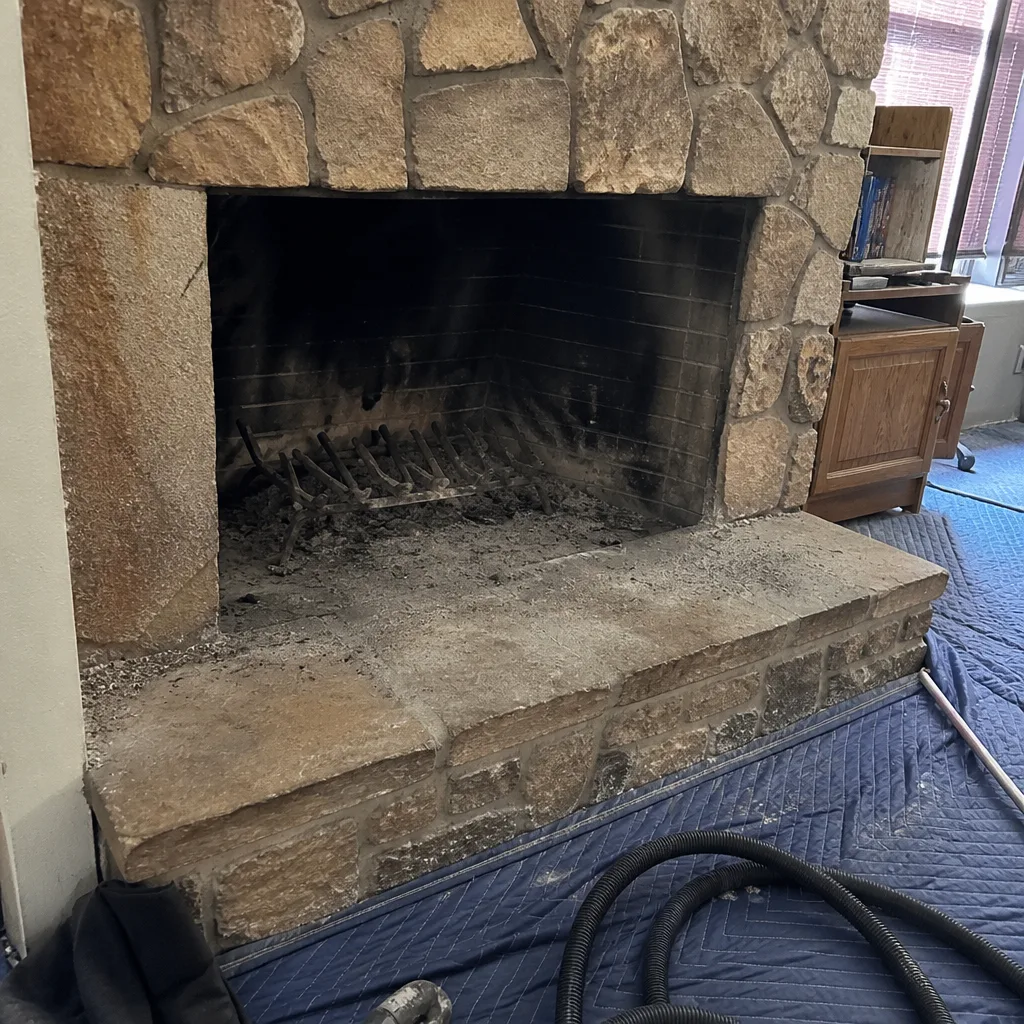 Before
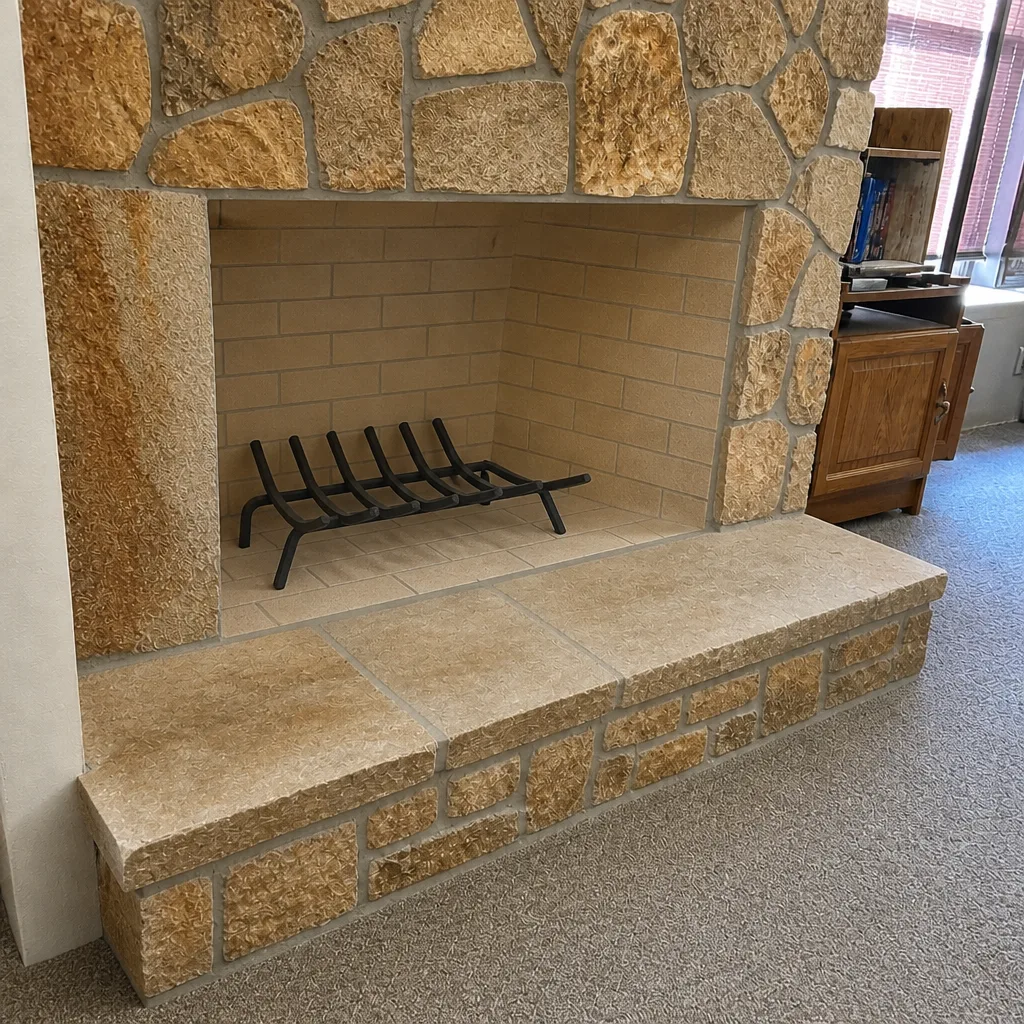 After
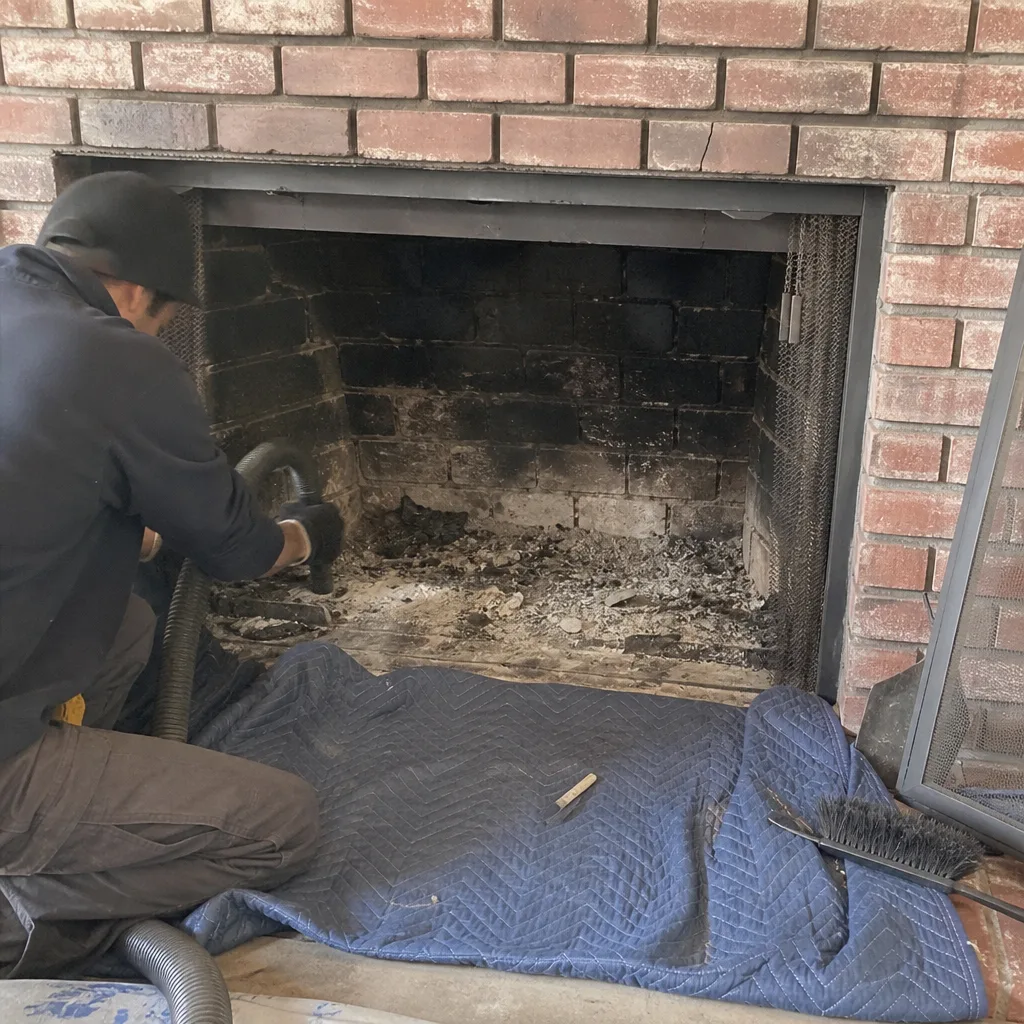 Before
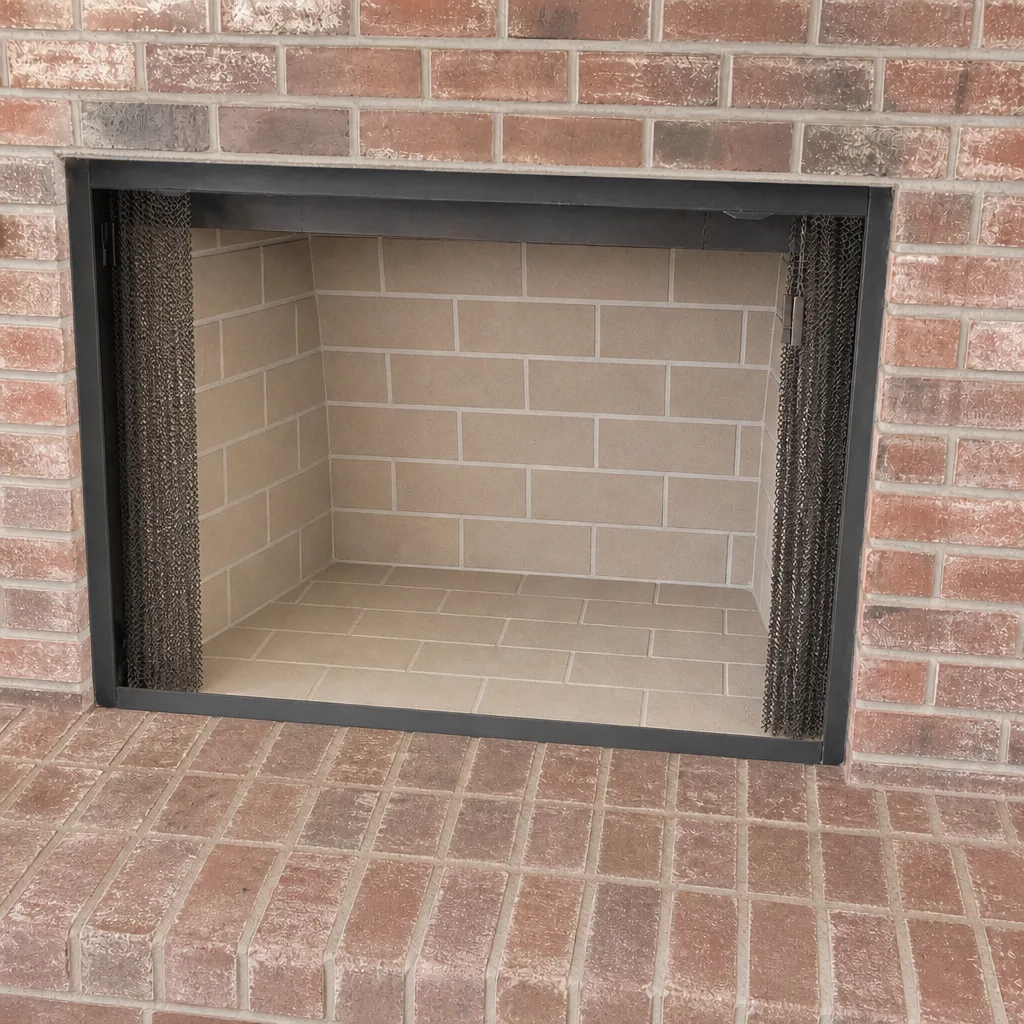 After
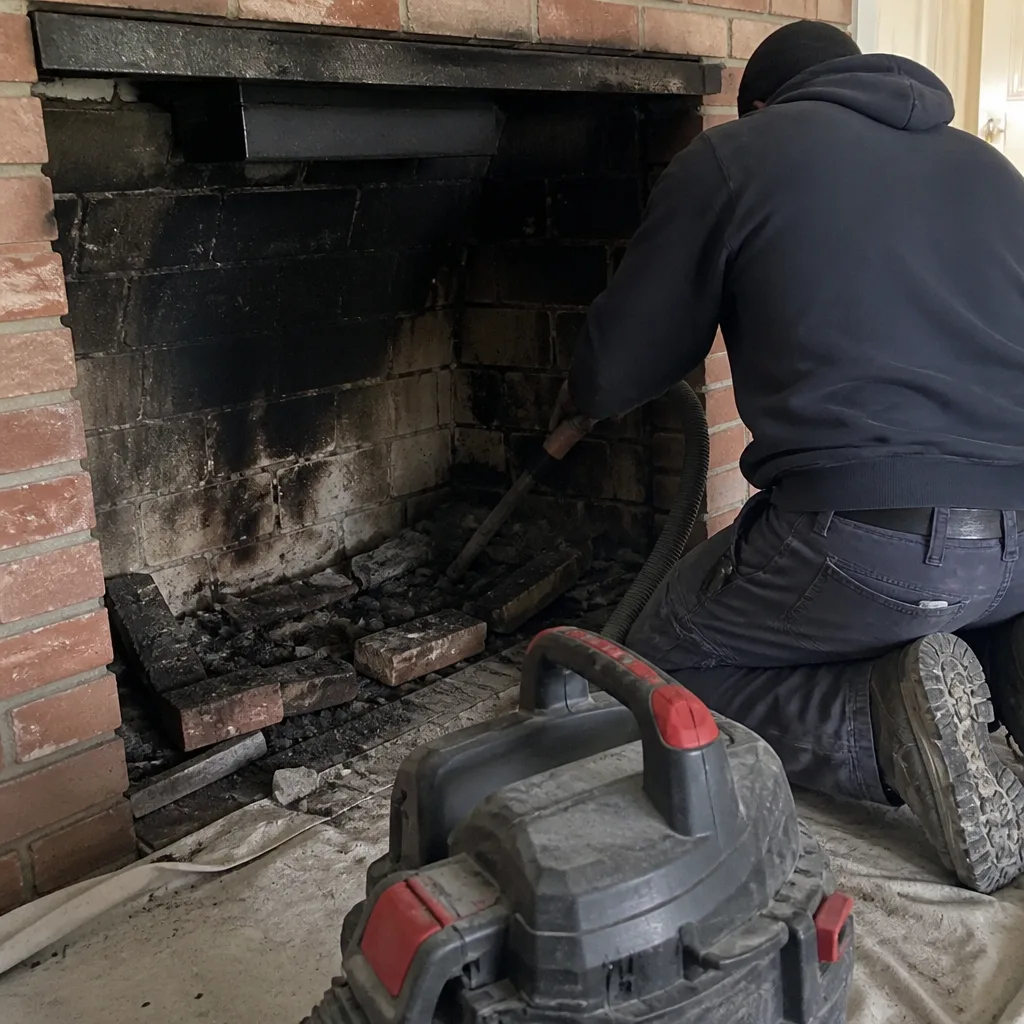 Before
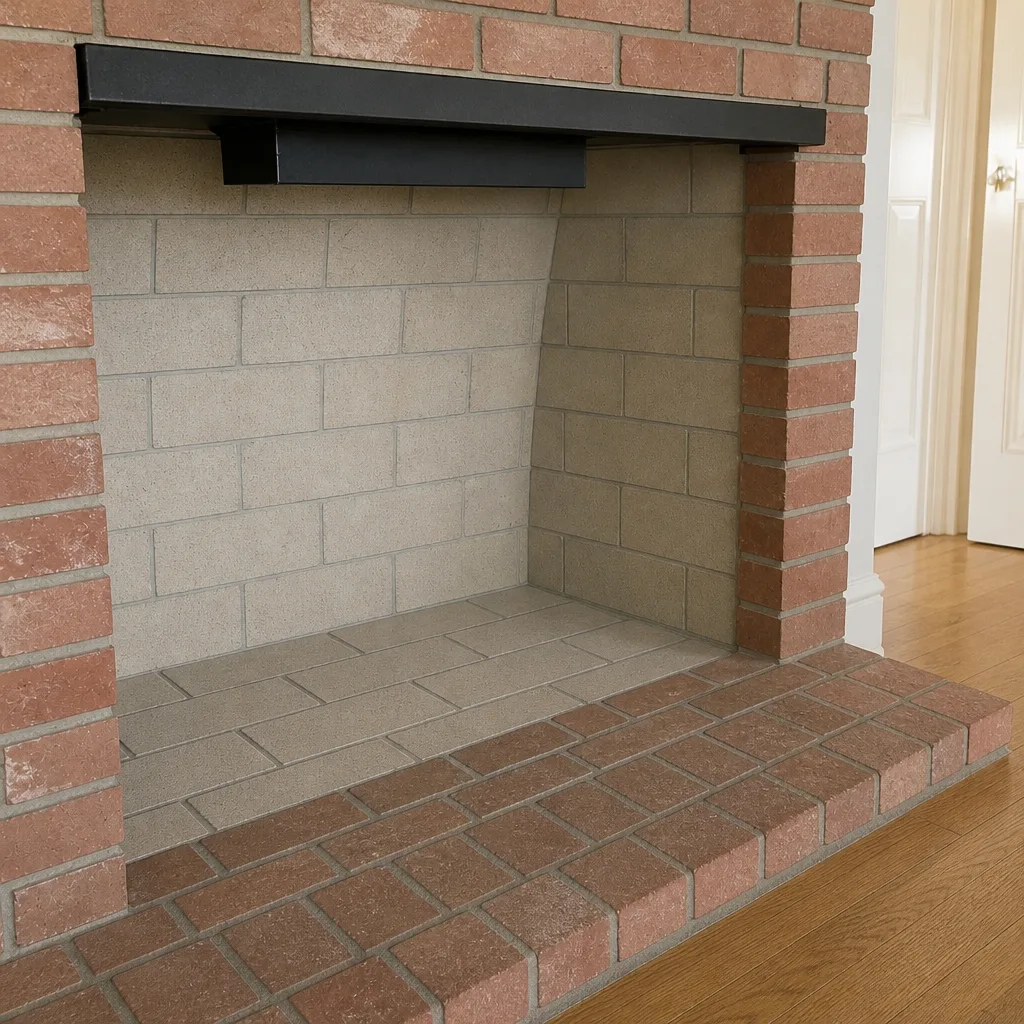 After
Frequently Asked Questions
A typical chimney sweep in Paradise runs $150 to $350 for a wood-burning fireplace, and gas appliance vent cleaning often falls between $120 and $220. The figure includes the sweep, a Level 1 inspection, and a photo report, so there’s no separate fee for the assessment. Call (844) 314-6144 for an exact quote, estimates are free.
A proper sweep price covers floor protection, the flue brush and creosote removal, firebox and damper cleaning, a smoke chamber check, a cap and crown inspection, a Level 1 inspection, and photo documentation. If your quote is a single line that says “chimney clean,” ask what’s actually included before you book. Call (844) 314-6144 to compare what a full scope looks like.
Low quotes are usually low because they leave work out, not because they’re a better deal. A $79 cleaning is typically a brush pass with no inspection and no documentation, so the findings that should trigger a repair never get recorded. The real cost comparison starts once both quotes describe the same scope. Call (844) 314-6144 for a written scope you can compare line by line.
A Level 2 inspection is warranted when you’re buying or selling a home, when the appliance or venting has changed, or when you’ve noticed smoke spillage or drafting problems. It costs more than a Level 1 because it uses camera access and more time, and it’s the right scope when those conditions apply. Call (844) 314-6144 to talk through which level your situation calls for.
A cap is worth it when the existing one is missing or damaged, since it keeps rain, debris, and animals out of the flue. An animal guard is worth it when you’ve actually had animals get in. If the cap is intact and you’ve had no wildlife problems, that add-on can generally wait. Call (844) 314-6144 and ask for a photo of the cap before you decide.
Dryer vent cleaning is priced separately from the chimney sweep and is usually quoted per run length and access. It’s genuinely worth it because lint buildup in the vent is a fire risk, and a dryer that takes longer than it used to is a signal that the vent may be restricted. Your dryer vent is a vent system with the same fire risk as a chimney, and it’s easy to forget. Call (844) 314-6144 for a free estimate on a combined visit.
The Bottom Line
Chimney cleaning prices in and around Paradise span a real range, and the range tracks scope, not randomness. A proper quote includes the flue brush and creosote removal, firebox and damper cleaning, a smoke chamber check, cap and crown inspection, a Level 1 inspection, and a photo report. It’s itemized, it names its materials, and it can show you the evidence behind any repair recommendation. Compare quotes on scope before price, ask for the photos, and remember that a dryer vent is a vent system too. Get a written scope you can read, and the cost conversation becomes a safety conversation instead of a sales one.
Ready to compare on equal terms? Call Chimney Sweep Paradise at (844) 314-6144 for a free estimate. We answer 24/7. Fast dispatch from 7am to 7pm, Sunday through Friday.
Written by the team at Chimney Sweep Paradise.