
Last updated November 15, 2026
 Sweep & inspection
 Caps & crowns
 Flue relining
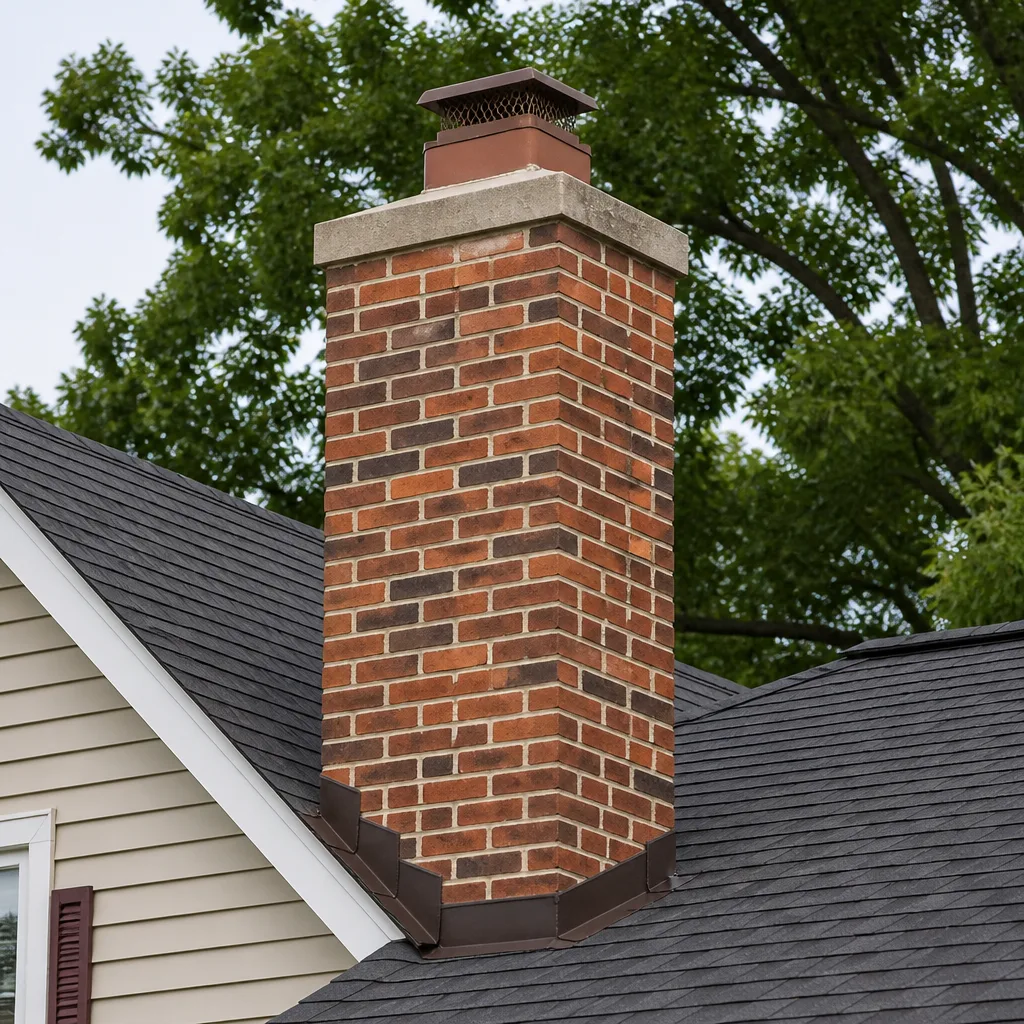 Masonry repair
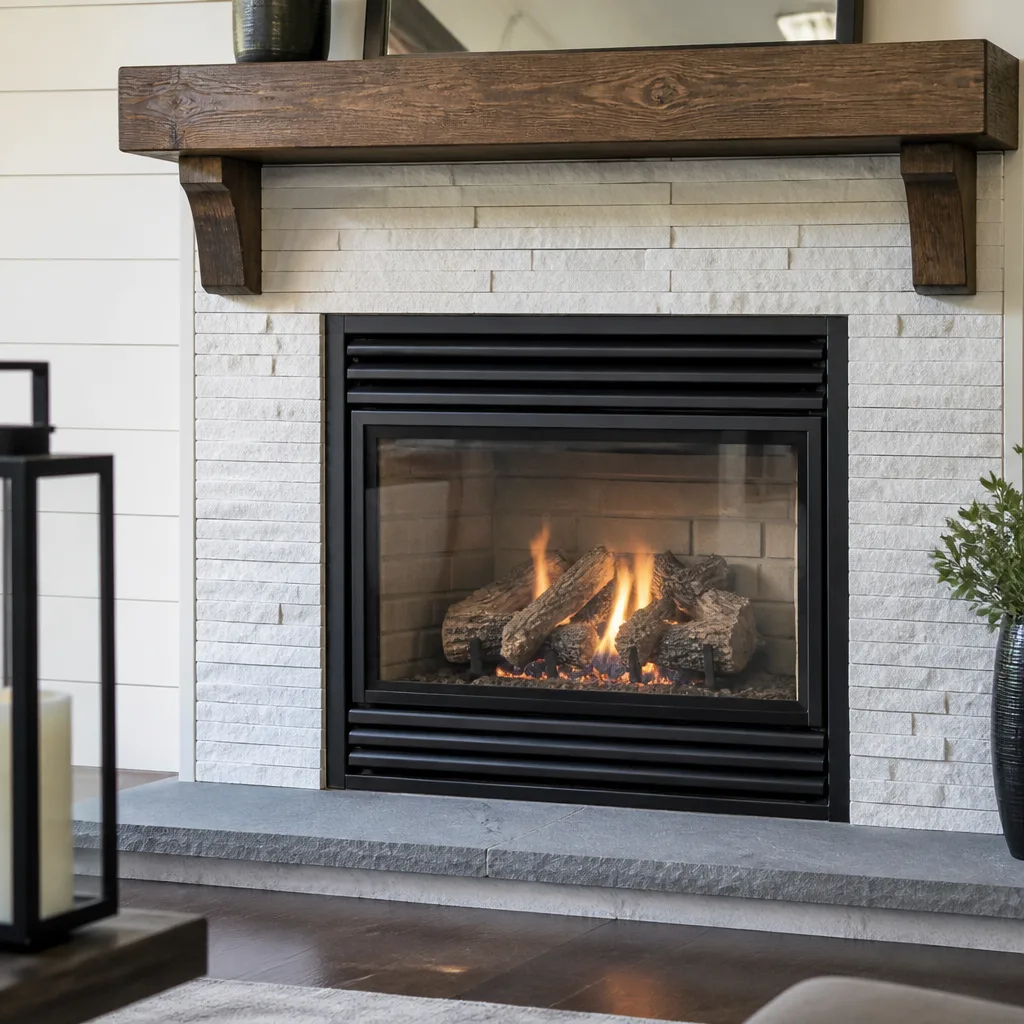 Gas fireplace service
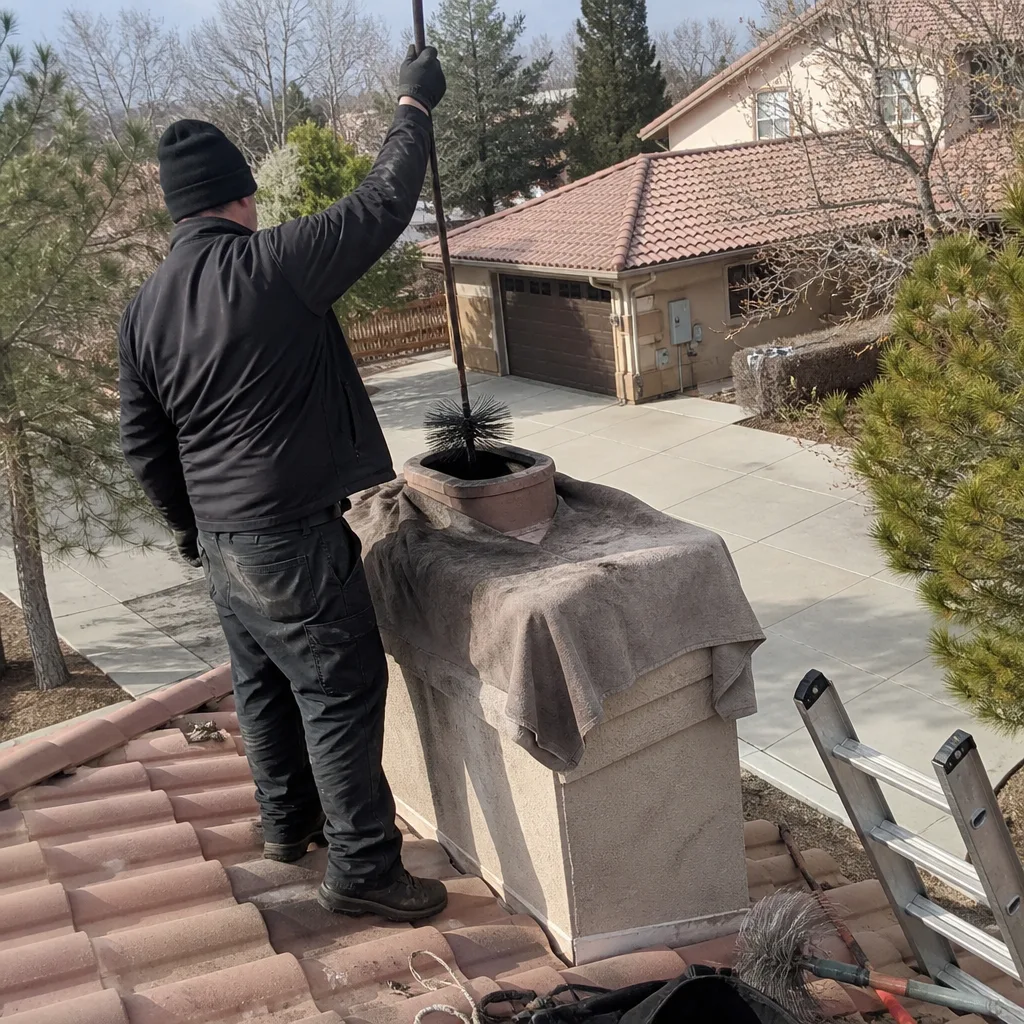
Level 1 sweep and inspection to the NFPA 211 annual standard - flue, crown, cap, and flashing checked and photographed
Chimney sweep logs do not sweep chimneys. They loosen some creosote - which then falls where a brush and vacuum still have to collect it.
DIY vs Professional Chimney Cleaning: The Paradise Homeowner’s Decision Guide
Here’s the uncomfortable truth about chimney cleaning: a capable homeowner with a brush and a free afternoon can absolutely clean part of a flue. That’s not in dispute. What’s in dispute is everything the brush can’t reach and everything the eye can’t classify. The sections that cause chimney fires and carbon monoxide problems are usually the ones you can’t see from the firebox, and a homeowner standing on a roof has no reliable way to grade what’s coating the inside of a smoke chamber. This guide maps exactly where DIY cleaning works, where it stops, and how Paradise homeowners can split the job sensibly between their own effort and a professional visit. By the end you’ll know what you can safely handle, what you shouldn’t touch, and how to tell the difference.
Quick Answer
DIY chimney cleaning can handle the firebox, the reachable lower flue, and the exterior cap, but it cannot assess smoke chamber condition, evaluate liner integrity, or reliably identify stage-two creosote, which is the glazed, tar-like deposit most associated with chimney fires. In Paradise, where gas fireplaces are common, the calculation shifts again because gas venting has its own configuration and clearance rules that a brush alone won’t address. For anything beyond surface soot in an accessible flue, a professional inspection is the safer and more accurate choice.
Styles & brands we work with
- Sweep & inspection
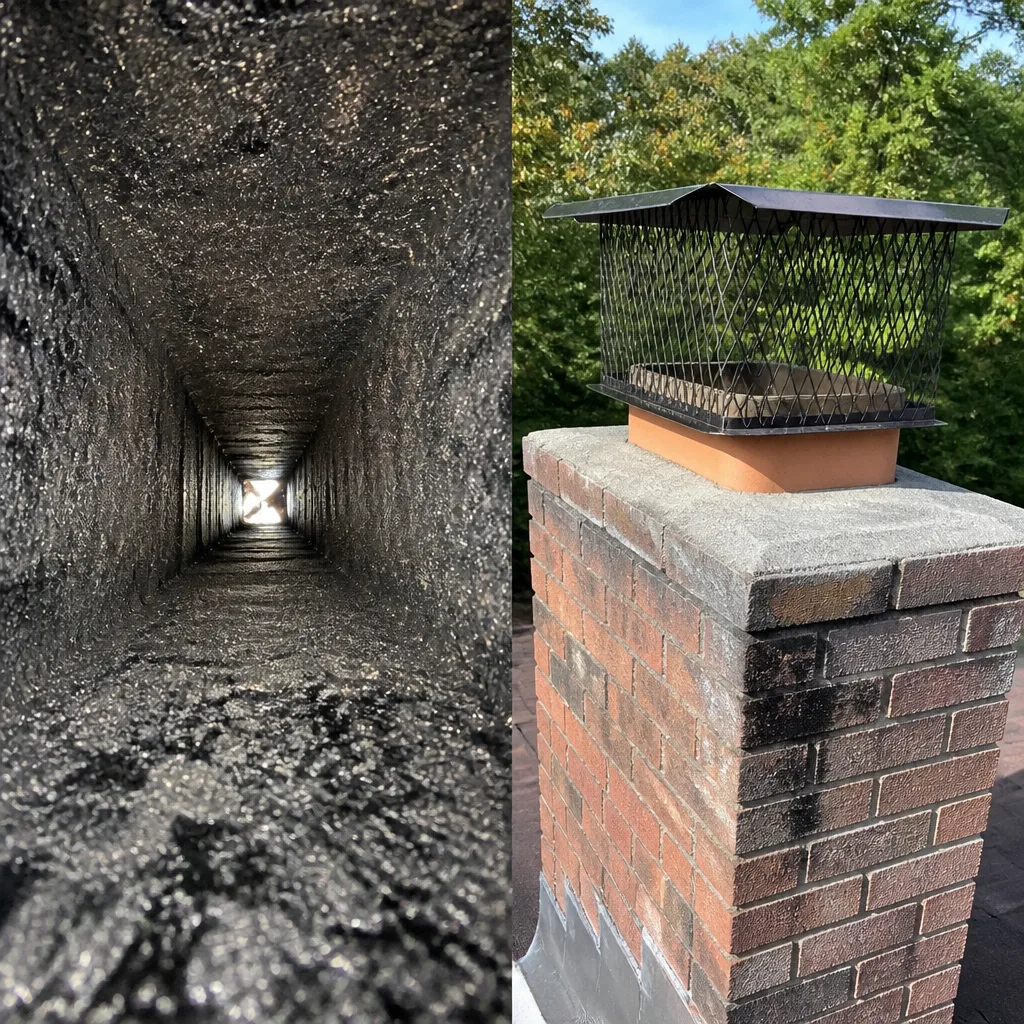
- Caps & crowns
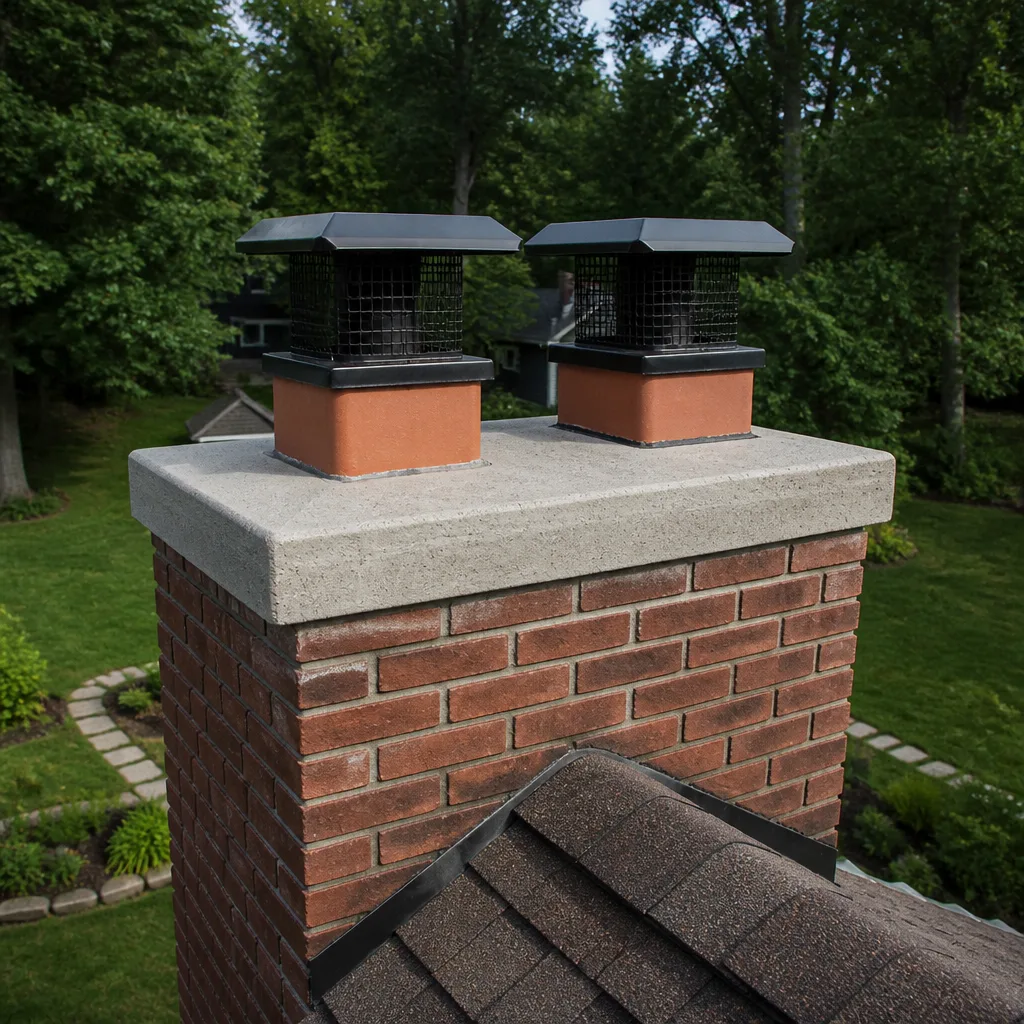
- Flue relining
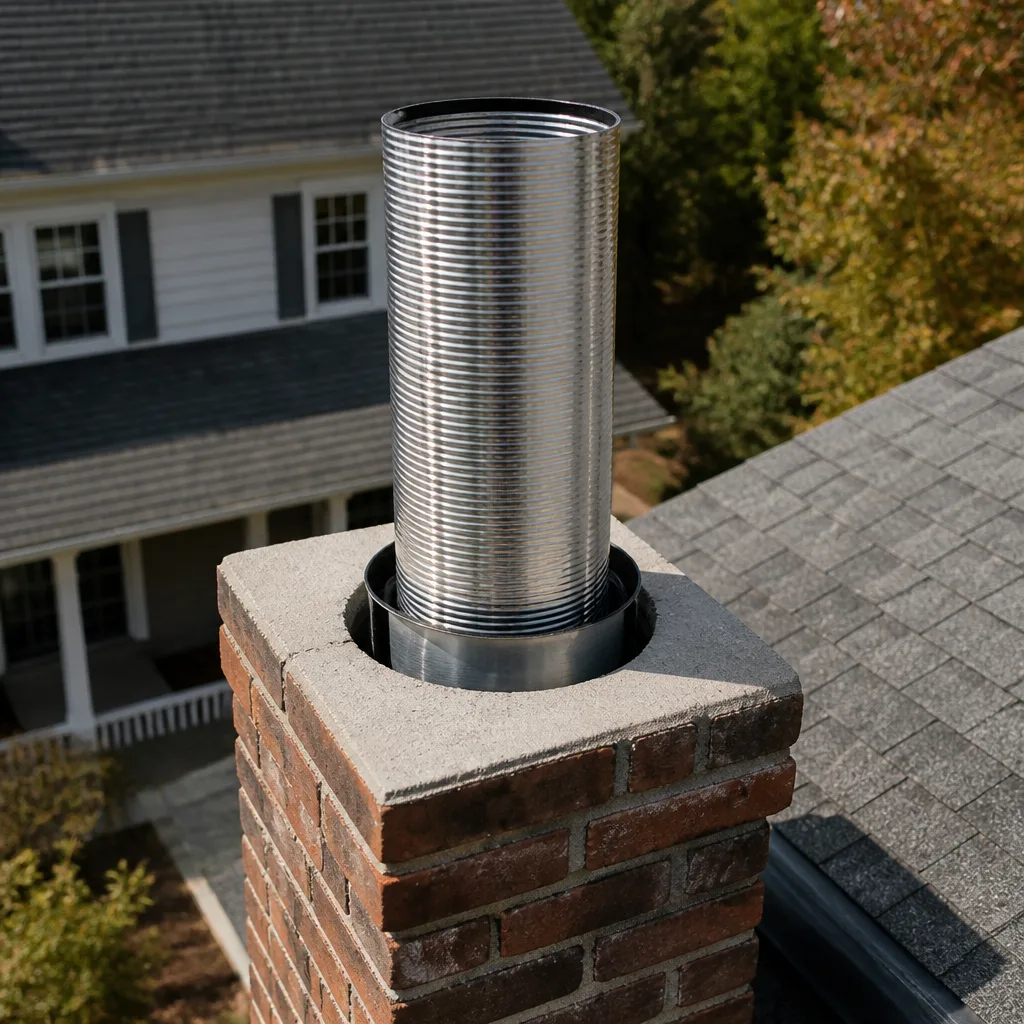
- Masonry repair
- Gas fireplace service
Table of Contents
- What DIY chimney cleaning can actually accomplish
- Where DIY cleaning ends: the smoke chamber and liner
- The equipment gap that changes the diagnostic picture
- Why gas fireplaces in Paradise change the DIY math
- Creosote stages and why sight isn’t enough
- Liability and insurance after self-performed chimney work
- The middle path: what to do between professional visits
- How often Paradise chimneys actually need attention
What DIY chimney cleaning can actually accomplish
Start with the honest list. DIY cleaning does real work in the places you can physically reach, and for a lightly used wood-burning fireplace, that effort has value. It is not wasted time, and no professional should tell you otherwise.
The reasonable DIY scope in a Paradise home looks like this:
- The firebox. Removing ash, scraping soot film off the firebrick, and clearing debris from the base of the firebox is low-risk and genuinely reduces buildup.
- The accessible lower flue. With the damper open, a properly sized brush on rods can address the straight vertical section above the firebox in a straightforward masonry chimney.
- The exterior cap and screen. Clearing a bird’s nest, leaf pack, or a clogged spark screen from the top of the termination is a reasonable maintenance task for a confident homeowner who is comfortable working safely at height.
What ties all three together is that they’re visible or physically reachable. You can see the firebox. You can feel the lower flue with a brush. You can look at the cap. The work is mechanical and the feedback is immediate.
Notice what’s missing from that list: the offset sections, the smoke chamber, the liner surface above the first bend, and any horizontal run. Those are the parts of the system where the brush either can’t reach or can’t tell you what it just passed over. In our experience, a homeowner who cleans the firebox and lower flue and stops there has done useful work. The mistake is assuming that finishing the reachable parts means the whole chimney has been cleaned. If you want a baseline professional assessment of what your DIY effort is actually leaving behind, a chimney sweep with a camera turns guesswork into a clear picture. That matters most in a desert climate like Paradise, where dry conditions mean creosote can cure and harden faster between burning seasons.
Where DIY cleaning ends: the smoke chamber and liner
The smoke chamber is the tapering space directly above the damper and below the flue. It’s shaped like an inverted funnel, and its corbelled masonry creates ledges where creosote collects and where a brush simply cannot go. This is not a rare exception. It’s how most masonry fireplaces are built.
Two things make the smoke chamber a genuine professional limit rather than a homeowner challenge:
- Access. Reaching the smoke chamber means working from above with specialized tooling, not from the firebox below. A standard brush on a rod won’t cover the corbelled surfaces or the corners where deposits gather.
- Interpretation. Even if you could reach it, the question isn’t whether the chamber is dirty. It’s whether the masonry parging is intact, whether cracks have opened behind the deposits, and whether the chamber needs resurfacing. Those are judgment calls, not cleaning calls.
The liner is the same story but more consequential. A clay tile liner can have hairline cracks you will never see from the firebox. A metal liner can have seams that have opened or a section that has pulled. Liner integrity is what separates a chimney that vents correctly from one that leaks smoke and carbon monoxide into the house. Reading that condition requires a video inspection, and there’s no workaround for it.
This is the division of labor that makes sense: the homeowner handles the visible and reachable. The professional handles the hidden and the diagnostic. When a Paradise homeowner calls us after doing their own cleaning and asks whether the rest of the system is sound, the answer comes from a camera, not a guess.
The equipment gap that changes the diagnostic picture
Here’s where the DIY versus professional question stops being about effort and becomes about tools. The gap isn’t that a professional owns better brushes. It’s that certain equipment produces information a homeowner has no way to generate, and that information is what determines whether your chimney is clean, safe, or in need of repair.
The three categories that matter most:
- Rotary cleaning systems. A rotary head on a flexible whip cleans by contact and rotation, which lets it follow the interior contours of a flue and work through hardened, glazed deposits that a standard brush skips over. It also reaches offsets and the transition zones a straight brush can’t.
- Video inspection cameras. A camera run through the flue shows the actual condition of the liner surface, the smoke chamber parging, and any joints or seams. This is the only reliable way to identify a cracked tile or a failing liner section before it becomes a problem. It’s also what lets a technician tell you, honestly, that a repair can wait.
- Creosote classification tools. Stage-one creosote is soot and flaky residue. Stage-two is glazed and hardened. Stage-three is tar-like and has the texture of a solid fuel. Grading a deposit by touch and appearance with a proper tool is different from eyeballing it, and stage-two buildup is where the fire risk concentrates.
When we quote chimney repair, the materials we specify follow the same principle. We work with DuraFlex liner systems and HeatShield resurfacing because those are the systems certified chimney professionals specify, not because they’re convenient to source. A generic patching compound applied to a smoke chamber is a different job than a manufacturer-specified resurfacer. If you’re evaluating a contractor after doing your own DIY cleaning, ask what specific product they use for resurfacing. That single question separates a specialist from a generalist. For a broader look at how repair decisions get made, our Chimney Sweep Paradise overview is a useful starting point.
Why gas fireplaces in Paradise change the DIY math
Paradise has a high share of gas fireplaces, and that changes the DIY calculation in ways that a generic cleaning guide won’t tell you. Gas fireplaces are often assumed to be maintenance-free because there’s no wood smoke. That assumption is wrong, and it’s the source of more overlooked problems than any other in our work.
Here’s what’s different about gas systems:
- Vent configuration varies widely. Direct-vent, B-vent, and power-vent systems each have their own clearance requirements and their own venting paths. Clean and inspect procedures differ between them. A method that’s fine for one can be ineffective or inappropriate for another.
- Debris and blockage still happen. Gas exhaust vents can be blocked by bird nests, insect activity, and general debris just like wood flues. A blocked gas vent is a carbon monoxide concern, not a creosote concern.
- The residue is different. Gas systems accumulate different deposits than wood-burning systems, and a homeowner who applies a wood-flue cleaning routine to a gas vent may be cleaning a surface that doesn’t need it while missing the blockage that actually matters.
The practical takeaway: for a wood-burning fireplace, DIY cleaning of the reachable sections does something real. For a gas fireplace in Paradise, the danger is that a homeowner cleans the firebox, assumes the system is fine, and never has the vent termination or the venting configuration checked. The cleaning wasn’t the point. The inspection was. If your home has a gas fireplace and you aren’t sure when it was last inspected, that’s the call to make. Our Paradise service page lays out what a typical visit covers.
Creosote stages and why sight isn’t enough
Creosote is the reason chimney cleaning exists, and it’s also the best argument against relying on your own eyes. The three stages look different enough to classify, but they can coexist in the same flue, and the stage that causes fires is the one most likely to be underestimated by a homeowner.
- Stage one: soot and flaky residue. A fine, powdery coating, often gray or brown. It’s the deposit you brush off the firebox walls. Low fire risk by itself.
- Stage two: glazed and hardened. Dark, shiny, and brittle, sometimes with a crunchy texture. This is the stage associated with chimney fires. It does not come off with a standard brushing, and it is the specific deposit a rotary system is designed to address.
- Stage three: tar-like. Thick and liquid-like, with the consistency of a solid fuel. This requires specialized removal and usually signals a burning habit or venting issue that needs correcting, not just cleaning.
Here’s the part homeowners routinely miss. You can look up a flue and see a powdery gray surface and believe the chimney is clean. Stage-two deposits often form in the upper sections, behind offsets, and in the smoke chamber, where the direct line of sight doesn’t reach. A flashlight shows you the near field. It does not show you the whole flue.
In our experience working in Paradise, dry conditions matter here because low humidity between burning seasons can harden deposits that would stay soft in a wetter climate. Creosote that cures hard is creosote that resists brushing. If you don’t know your creosote stage, the honest answer is that you haven’t looked far enough. A camera inspection resolves it in minutes, and it means the next cleaning is sized to the actual deposit rather than to an assumption. That’s the difference between cleaning blind and cleaning with a plan.
Liability and insurance after self-performed chimney work
This is the section most guides skip, and it’s the one with the longest consequences. The liability question isn’t whether a homeowner is “allowed” to clean their own chimney. In most places, they are. The question is what happens to an insurance claim after a fire or a carbon monoxide incident when the homeowner has been doing the cleaning themselves.
A few honest points:
- Insurers care about maintenance records. After a loss, an adjuster will ask what professional maintenance was performed and who performed it. A documented professional inspection and cleaning is straightforward evidence. Self-cleaning leaves no third-party record of system condition.
- Condition documentation matters. If the smoke chamber or liner already had a defect before a loss, proving it was found and addressed is the difference between a covered claim and a dispute. A video inspection with a record of what was found and when provides that evidence.
- Repairs done with unspecified materials carry their own risk. Improvised patching compounds or off-brand components can void manufacturer warranties and complicate an insurance position. Manufacturer-specified materials like those from Gelco, Olympia Chimney, and Famco are documented, traceable products.
We are not in the business of telling homeowners what their policy says. That’s a question for their insurer, and it’s worth asking directly. The point is that chimney work done with no professional record creates a gap, and that gap becomes expensive at exactly the wrong moment. If you’ve been cleaning your own chimney for years, a professional inspection now establishes a baseline you didn’t have before. That’s not about us. It’s about having documentation when you need it.
The middle path: what to do between professional visits
The DIY versus professional debate is unhelpful when it’s framed as all-or-nothing. The better framework is a division of labor where the homeowner does the low-risk maintenance and the professional does the diagnostic and condition assessment. Here’s what that middle path looks like in practice.
Between professional visits, homeowners can:
- Keep the firebox clear of excess ash and remove debris, especially after storm activity.
- Check the exterior cap and spark screen for visible nesting or blockage from the ground or a safe vantage point. Clear it only if you’re confident working safely at height.
- Watch the burn. More smoke rolling back into the room, weaker draft, or a noticeable change in how a fire burns are all signals to schedule a professional inspection rather than to clean harder.
- Keep the area around the fireplace clear and store firewood away from the hearth.
- Know what fuel the system was designed for and don’t burn things it wasn’t built to handle.
What to leave to the professional:
- Cleaning above the first flue offset.
- Smoke chamber cleaning and resurfacing.
- Liner inspection and evaluation of any repair.
- Gas vent configuration checks and termination inspection.
- Anything involving a video camera or creosote grading.
There’s one more piece the middle path typically misses, and it’s an important one: dryer vent cleaning. Your dryer vent is a chimney too, functionally speaking. It carries hot, lint-laden exhaust through a duct, and lint buildup is one of the leading causes of residential house fires. Most pure chimney sweeps don’t address it, and most homeowners never think to check. In Paradise, where dry conditions mean lint accumulates quickly, a blocked dryer vent is a risk that sits alongside the chimney and gets none of the attention. Building it into the routine between professional visits makes sense.
How often Paradise chimneys actually need attention
Frequency depends on use and fuel, not the calendar. That said, most Paradise homeowners fall into recognizable patterns, and knowing which one you’re in prevents both over-servicing and neglect.
- Wood-burning fireplace used regularly in the cooler months: annual inspection, with cleaning based on what the inspection finds. If you burn frequently, the deposit accumulates faster than the calendar suggests.
- Occasional wood burning: an inspection every year or two is reasonable, but a blocked cap or a nesting problem can happen any season regardless of burn frequency.
- Gas fireplace: annual inspection of the venting configuration and termination. The firebox looks clean and gives no signal, which is exactly why the inspection is the point.
- Wood stove: annual inspection at minimum. Stoves run hotter and the creosote risk is higher.
- After any storm or visible damage to the cap or crown: inspect before using the fireplace again.
The most useful thing a homeowner can do is establish a baseline. Once a professional inspection documents the condition of the smoke chamber and liner, every subsequent decision has a reference point. That’s what makes the DIY versus professional question answerable for your specific chimney instead of in the abstract. If the report shows a healthy system with light deposits, you may not need another cleaning as soon as you’d think, and we’ll tell you so. If it shows a defect that needs repair, the repair uses specified materials rather than a stopgap. Both outcomes are useful. Both come from the camera.
Common Mistakes to Avoid
- Cleaning the firebox and calling the chimney done. The reachable section is a fraction of the system. The smoke chamber and upper flue still need professional evaluation. In a Paradise home with a masonry fireplace, the anatomy above the damper is where the real condition lives.
- Assuming a gas fireplace needs no service. Gas fireplaces are the most commonly overlooked systems in the region. The vent termination can be blocked while the firebox looks pristine, and a blocked gas vent is a carbon monoxide concern.
- Judging creosote by the visible section. The stage of creosote that causes fires is dark, glazed, and often above the line of sight. A gray powdery near field tells you nothing about the upper flue or the offset sections.
- Using improvised patching materials on a smoke chamber. Generic compounds aren’t the same as a manufacturer-specified resurfacing system. A repair done with the wrong product can fail at the worst time and complicate any later warranty or insurance question.
- Skipping the cap and spark screen inspection. Nesting and debris are seasonal and fast. A blocked cap changes the draft and can force smoke into the room. Paradise’s dry conditions don’t stop birds and insects from finding a sheltered terminal.
- Forgetting the dryer vent entirely. It’s a fire risk that gets none of the routine attention the chimney gets, and it’s typically the easiest problem to fix before it becomes a problem.
- Doing the work but keeping no record. A documented professional inspection creates a maintenance history. Self-cleaning with no record leaves you without evidence if you ever need to make a claim.
See the difference
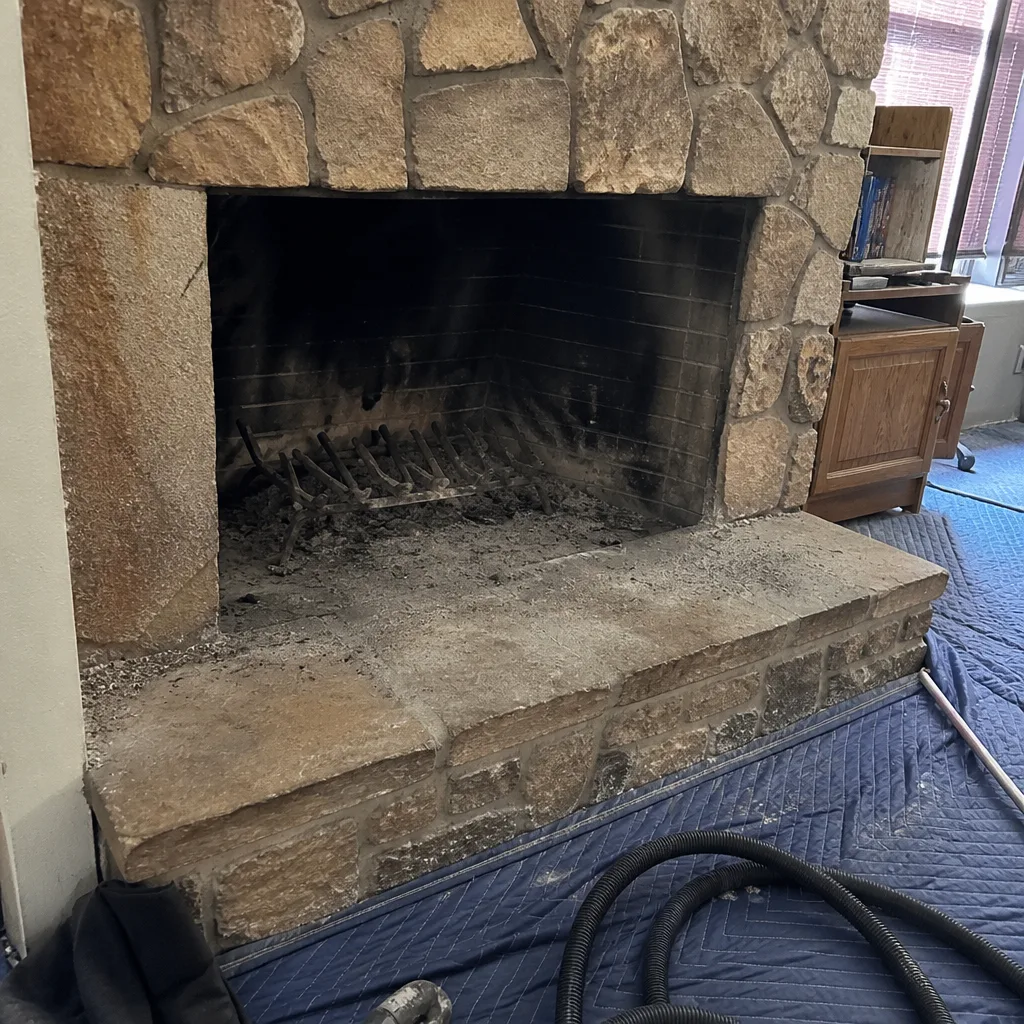 Before
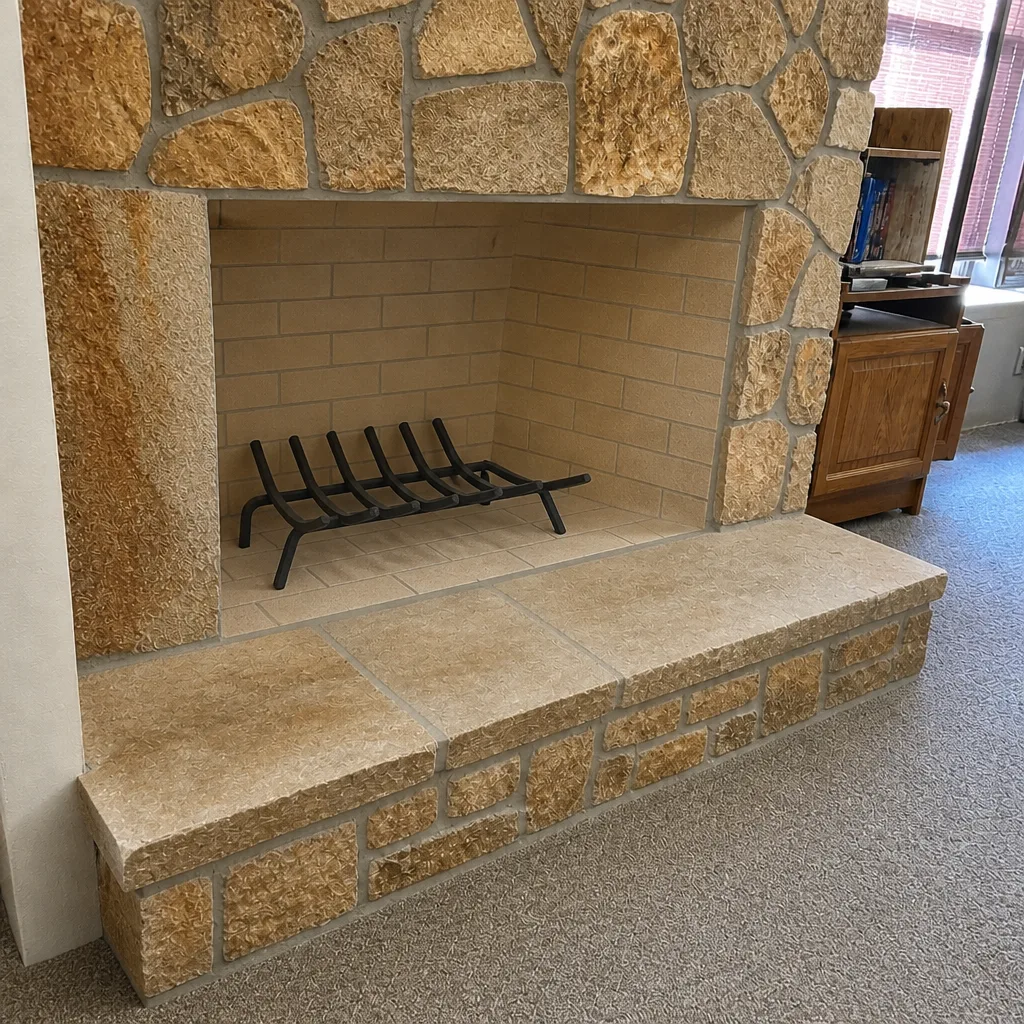 After
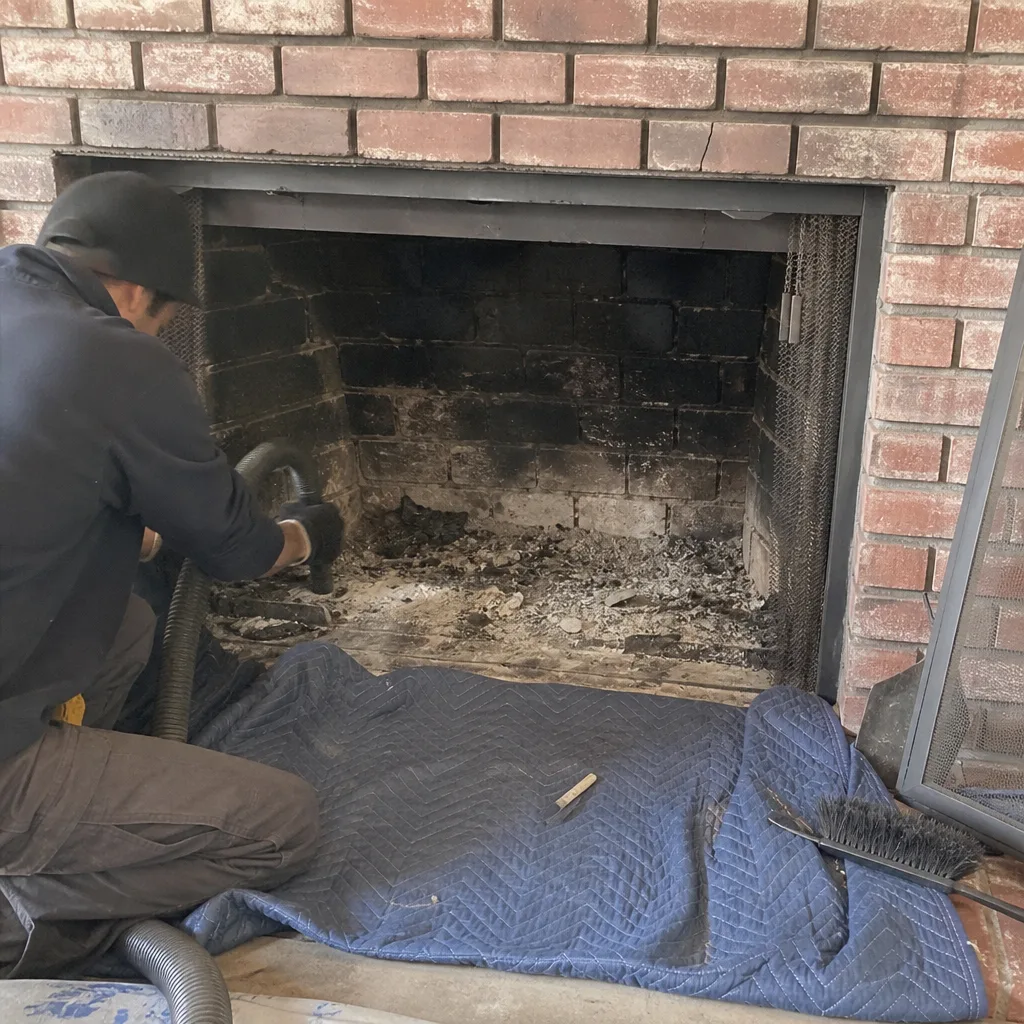 Before
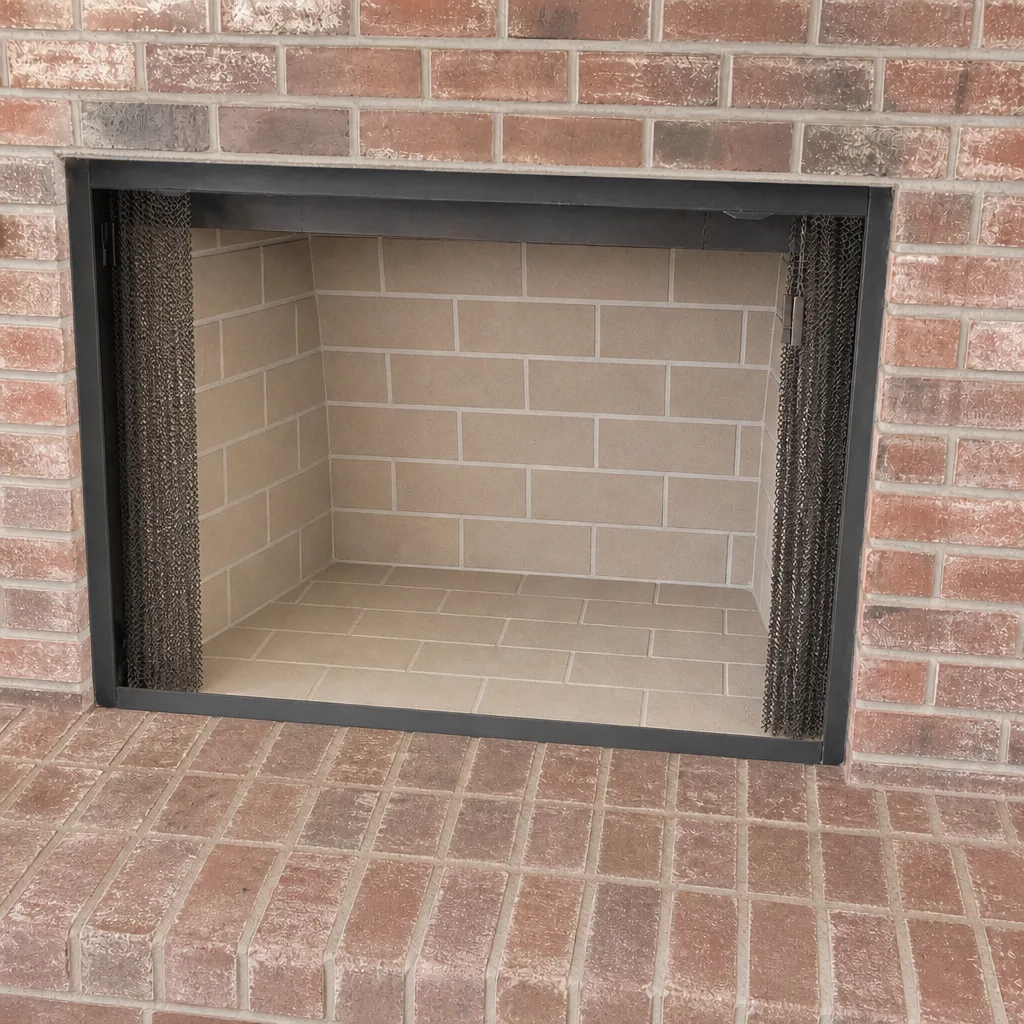 After
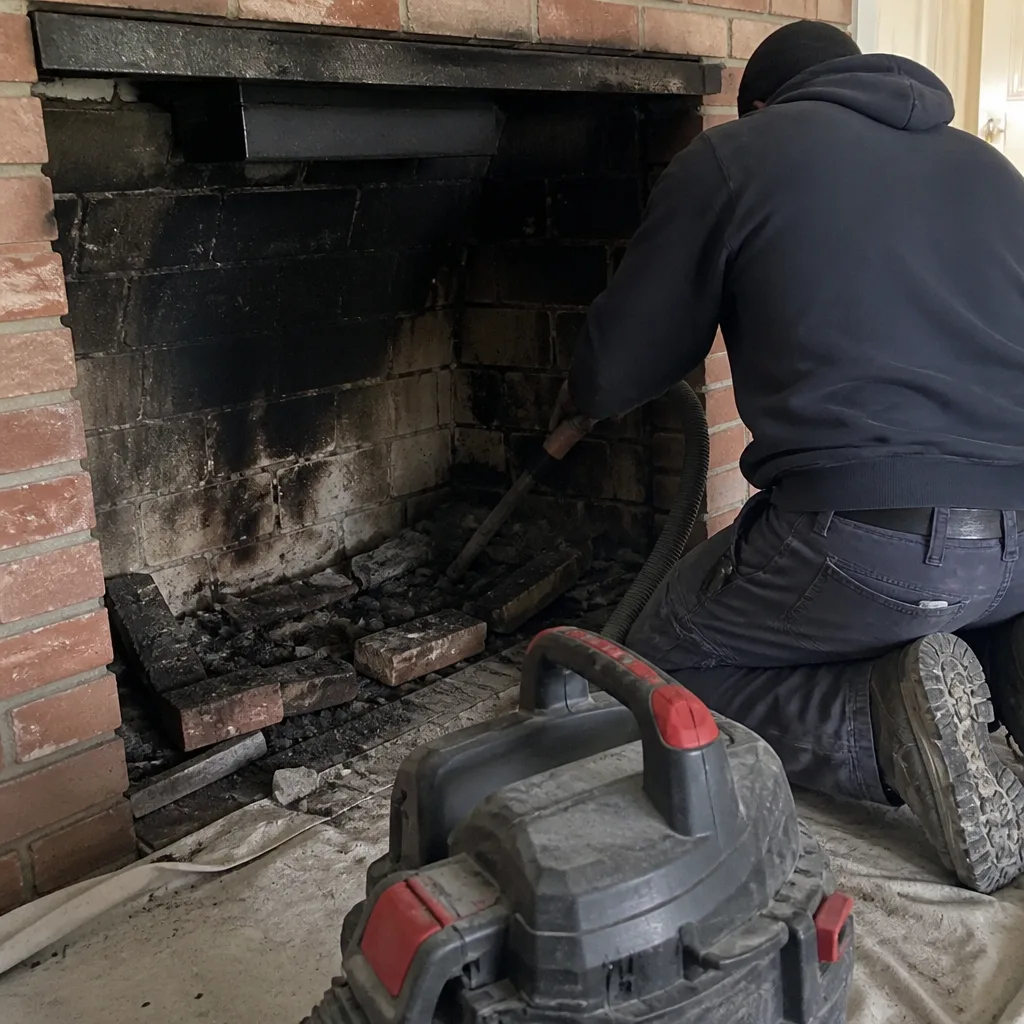 Before
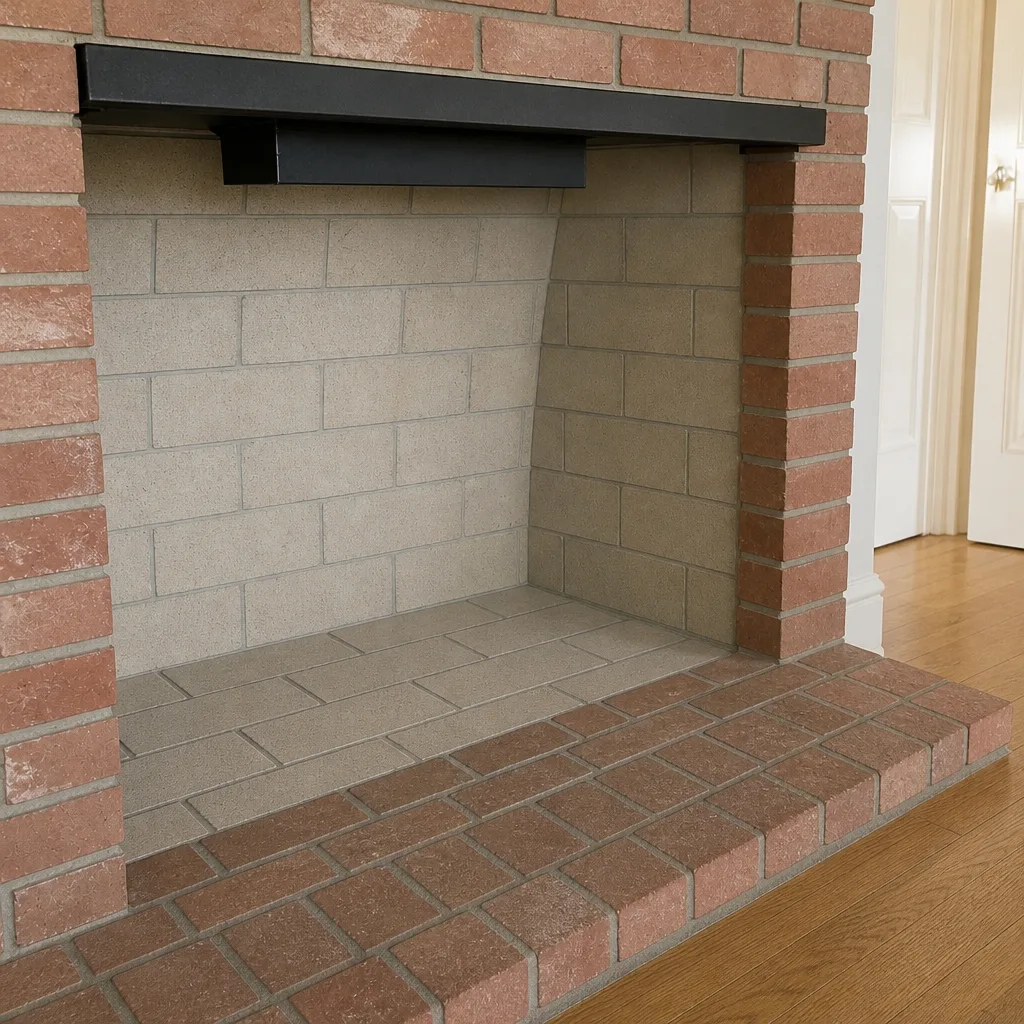 After
When to Call a Professional
Call a professional when the work moves beyond the firebox, the reachable lower flue, and the exterior cap. Specifically: if you notice smoke rolling back into the room, if you haven’t had the smoke chamber or liner inspected, if the fireplace is gas and you don’t know when it was last checked, if you’ve burned unseasoned fuel and suspect a glazed deposit, if the chimney has been through storm damage, if the dryer is taking longer than it should to dry a load, or if you’re buying a home in Paradise and want a documented baseline before you use the fireplace. Any one of those is a reason to call. Our technicians have up to 12 years of experience and we’ll tell you plainly when work can wait, because a report you can see for yourself is more useful than a recommendation you have to take on faith. Chimney Sweep Paradise offers free estimates in Paradise – call (844) 314-6144.
Frequently Asked Questions
You can clean the firebox, the accessible lower flue, and the exterior cap yourself, but you can’t assess the smoke chamber, evaluate liner integrity, or grade creosote properly without specialized equipment. The honest answer is that DIY handles the visible and reachable, while a professional handles the hidden and diagnostic. For a gas fireplace, the venting configuration needs a professional inspection regardless of how the firebox looks.
You often can’t know from a visual check, because stage-two creosote is dark, glazed, and frequently located above the line of sight or behind an offset. A rotary cleaning system and a video inspection are what confirm the stage and the extent. If you’ve been burning regularly and haven’t had the flue inspected, assume you don’t know and get it checked.
It needs inspection rather than creosote cleaning. Gas systems accumulate different deposits and their venting configurations each have their own clearance rules. The bigger risk is a blocked termination or a venting problem that a clean-looking firebox hides completely. An annual vent inspection is the right call.
Problems stay hidden. A cracked liner, a deteriorated smoke chamber, or a glazed deposit won’t announce itself until draft changes, smoke comes back into the room, or a carbon monoxide detector sounds. Skipping the inspection doesn’t prevent the problem. It just means you find out later, when a repair is typically larger and more expensive.
Yes, and it’s the risk most homeowners overlook. Lint buildup in a dryer vent is one of the leading causes of residential house fires, and it’s a separate system from the chimney. We offer dryer vent cleaning standalone or alongside chimney work, so you’re not sourcing a second contractor. It’s the fastest risk reduction available in a Paradise home.
No. Deposits alone don’t mean a hazard. The safety question is about liner integrity, smoke chamber condition, creosote stage, and venting configuration. It’s possible to have a dirty chimney that’s structurally sound and needs only cleaning, and possible to have a clean-looking chimney with a liner defect. That’s why the inspection matters more than the visual impression, and why we never recommend repair without camera evidence you can see for yourself.
The Bottom Line
The DIY versus professional question isn’t really about capability. It’s about access and information. A homeowner can clean the firebox, the reachable lower flue, and the cap, and that work is worth doing. What a homeowner can’t do is see inside the smoke chamber, grade the creosote stage reliably, or evaluate liner integrity, and those are the items that cause chimney fires and carbon monoxide problems. The middle path is the right one: do the low-risk maintenance, keep the dryer vent on the routine, and let a professional with a camera handle the diagnostic side. In Paradise, where gas fireplaces are common and dry conditions harden deposits quickly, that division of labor is the difference between a clean-looking chimney and a genuinely safe one. If you’ve been cleaning your own, a baseline inspection is the most useful next step, and the written report is yours to keep.
Call (844) 314-6144. We answer 24/7. Fast dispatch from 7am to 7pm, Sunday through Friday.
Written by the team at Chimney Sweep Paradise.