
Last updated November 15, 2026
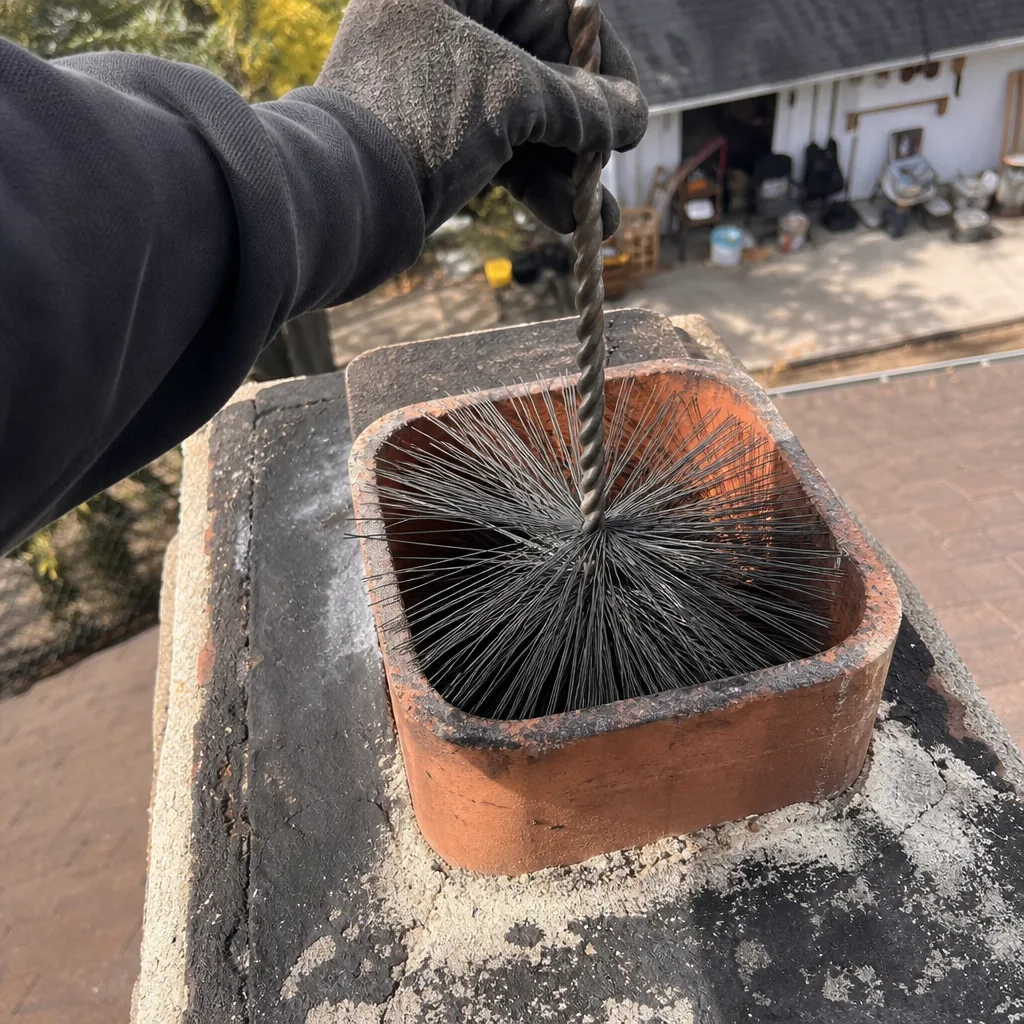
 Sweep & inspection
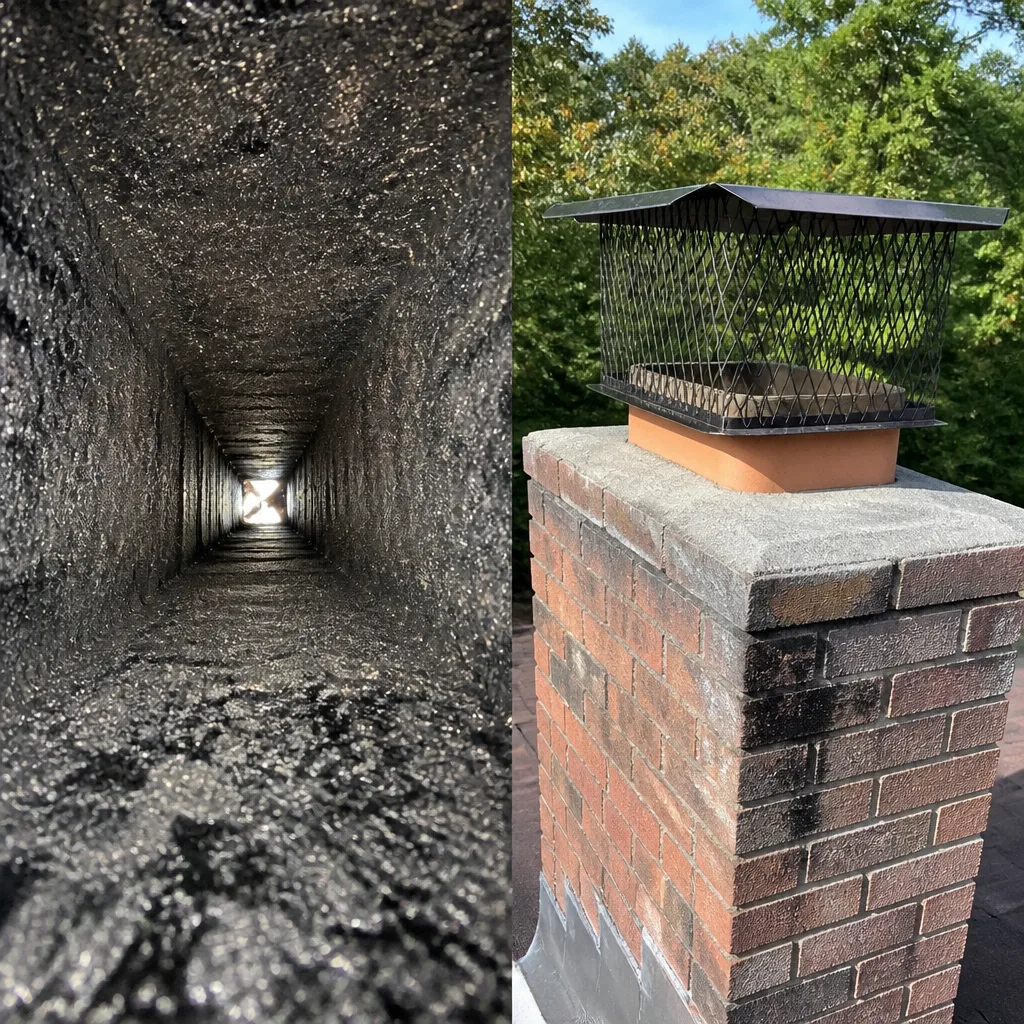
 Caps & crowns
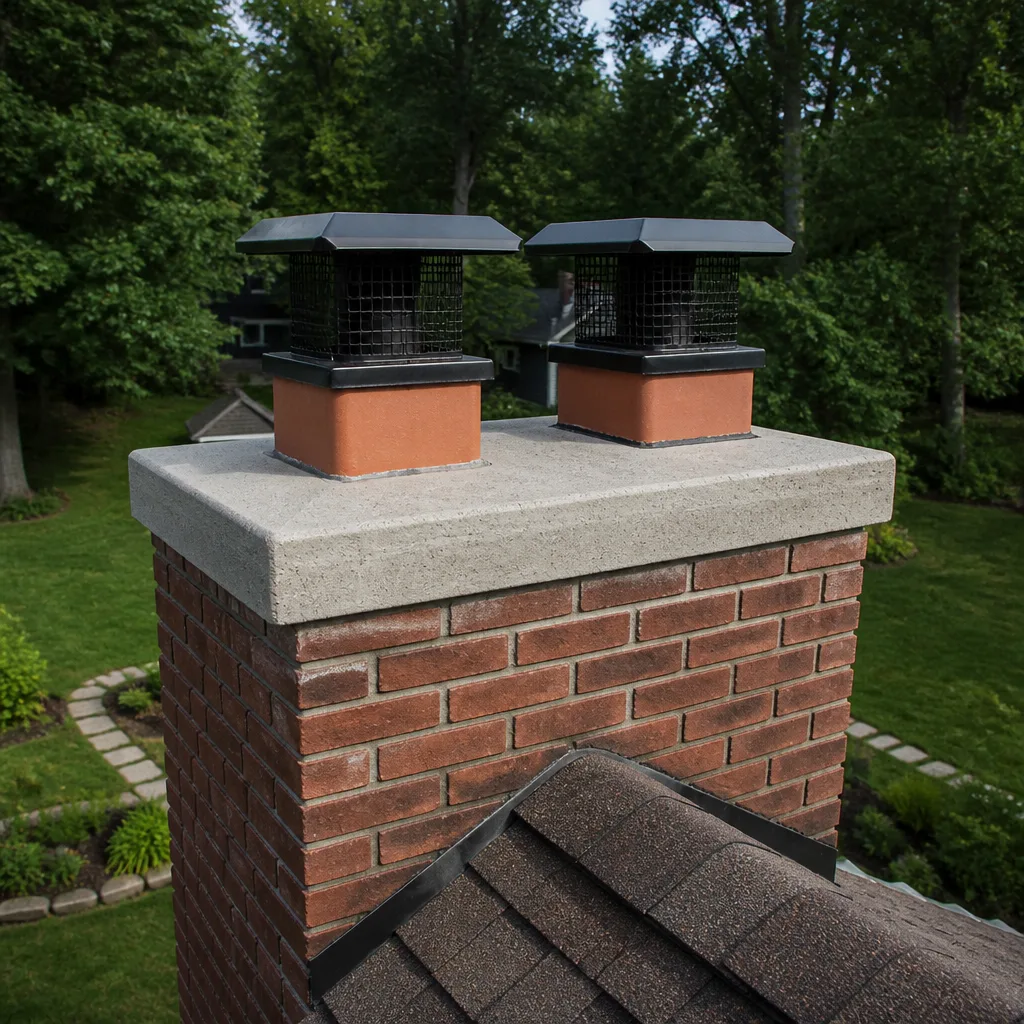
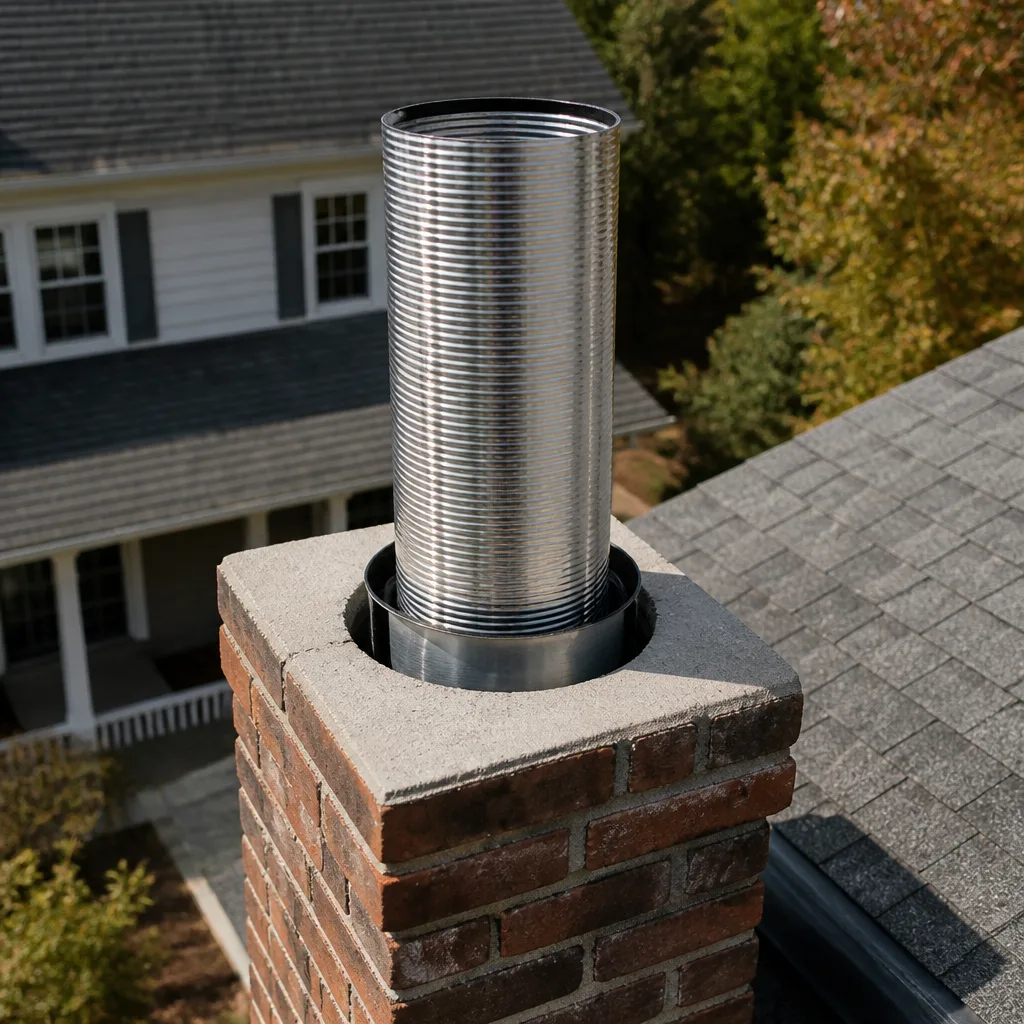 Flue relining
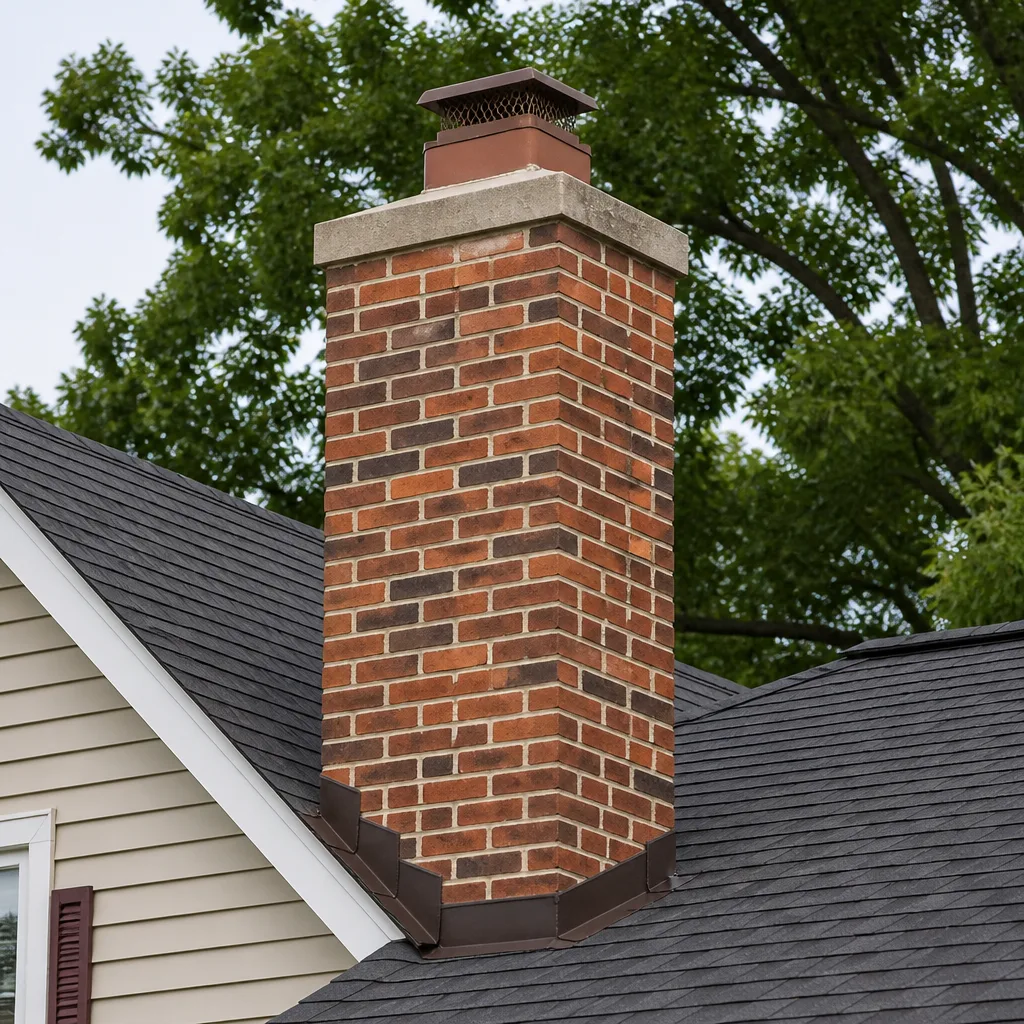 Masonry repair
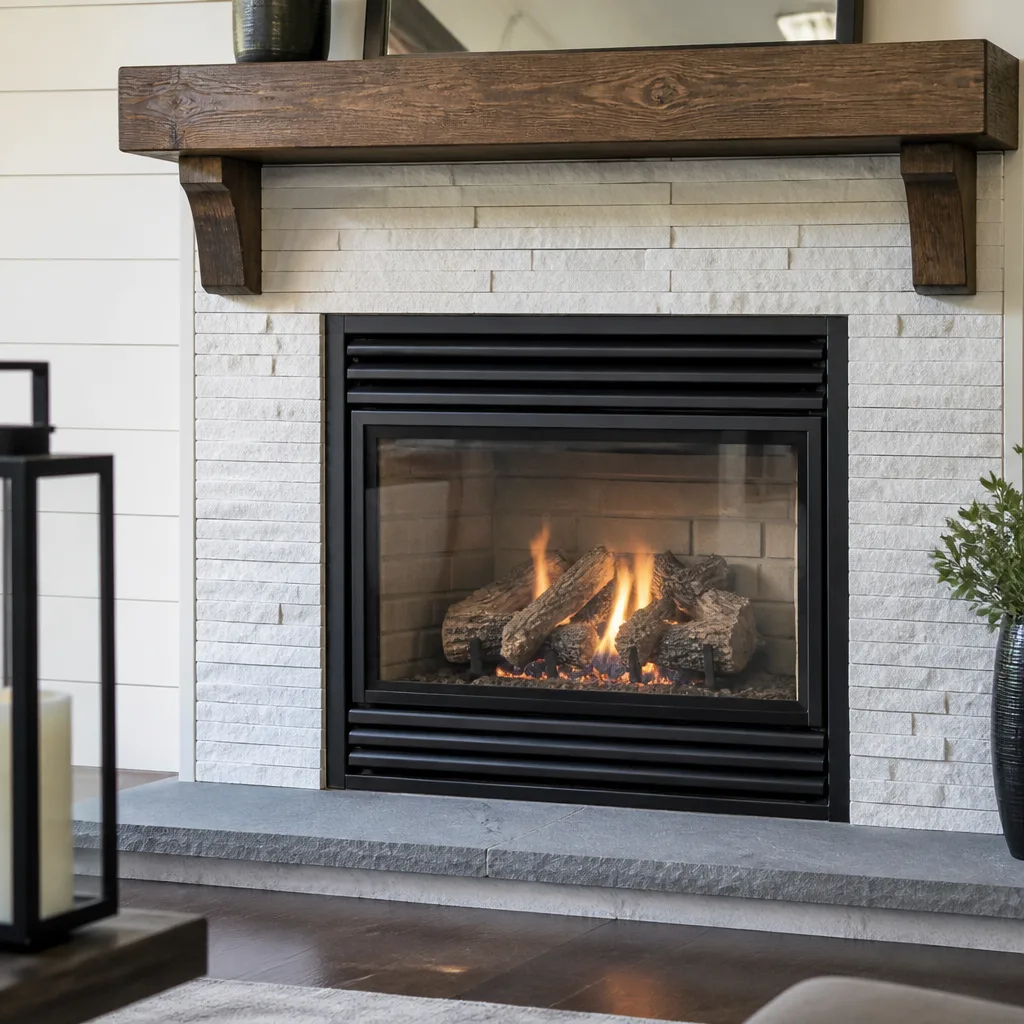 Gas fireplace service
Level 1 sweep and inspection to the NFPA 211 annual standard - flue, crown, cap, and flashing checked and photographed
Chimney sweep logs do not sweep chimneys. They loosen some creosote - which then falls where a brush and vacuum still have to collect it.
Chimney Sweep Troubleshooting in Paradise: Common Problems and How to Fix Them
If your fireplace smokes into the room only on windy days, the problem almost certainly isn’t your chimney. It’s the pressure differential created by your roofline, and no amount of sweeping will change it. That surprises most homeowners, who assume smoke in the room means a dirty flue. In our experience across Paradise, the opposite is often true: the flue is clean, and the house itself is fighting the fire for air. This guide maps the symptom you’re seeing, or smelling, to the mechanical cause behind it, so you know what you’re dealing with before anyone shows up at your door. You’ll learn how draft problems differ from blockages, how desert heat cracks masonry, how to read the three distinct chimney smells, and what to document before you call.
Quick Answer
Most chimney problems in Paradise fall into four categories: draft failure from negative pressure in tightly sealed homes, physical blockages like creosote or animal nests, structural damage from desert heat cycling the masonry, and odor problems from moisture or creosote. Smoke that appears only on windy days usually points to pressure, not a blockage. A professional sweep or repair call begins with a diagnosis of which category you’re in, because the fixes are completely different.
Styles & brands we work with
- Sweep & inspection
- Caps & crowns
- Flue relining
- Masonry repair
- Gas fireplace service
Table of Contents
- Why Does My Fireplace Smoke Only on Windy Days?
- Negative Pressure vs. Blockage: Two Different Problems
- How Paradise’s Desert Heat Cracks Masonry
- The Three Chimney Smells and What Each One Means
- Why a Chimney That Worked Last Winter Fails This Season
- Your Pre-Call Checklist: What to Observe and Document
- The Stages of Creosote and What They Mean for Your Flue
- Matching the Fix to the Problem
Why Does My Fireplace Smoke Only on Windy Days?
Smoke that spills into the room only when the wind picks up is a pressure problem, not a cleaning problem. Wind moving over and around your roofline creates areas of high and low pressure. When a gust hits the wrong face of the roof, it can push air down the flue faster than your fire can push smoke up. The chimney is doing its job. The house is losing the tug-of-war for air.
Several things make this worse in Paradise. Single-story homes with a tall neighboring roofline to the windward side are classic candidates. So are homes where a nearby tree has grown up over the years and now sits at the same height as the chimney termination. Wind that used to pass cleanly over the cap now tumbles around it and drives back down.
What you’ll typically notice:
- Smoke puffs back at startup, then settles once the fire is hot
- The problem appears on gusty days and disappears on calm ones
- A faint burned-wood smell lingers in the room even when the flue is clean
- Opening a window a crack seems to fix it, which is a strong clue about pressure
The diagnostic question is whether the fire is starved of air or whether wind is actively pushing down. Those are different failures, and one of them can be improved with a properly sized cap or a taller termination, while the other is answered by letting the house breathe. We’ve seen more than a few Paradise homes where a simple outside air source or a cracked window during startup turned a chronic smoker into a well-behaved fireplace. If your wood stove or insert was added after the house was built, it may simply need more combustion air than the room can supply.
Negative Pressure vs. Blockage: Two Different Problems
The single most expensive mistake homeowners make is treating a pressure problem as a blockage. They pay for a sweep, the chimney comes back spotless, and the smoke returns the first cold night. Before any cleaning is booked, it helps to understand which kind of failure you actually have.
Signs of negative pressure
- Smoke appears mainly at startup and during wind, then clears
- The draft improves noticeably when a window or door is opened
- The home is tightly sealed, recently weatherized, or has a powerful kitchen or bath exhaust fan
- Other fuel-burning appliances sit in the same pressure zone and compete for air
Signs of an actual blockage
- Smoke comes back continuously, regardless of weather or window position
- The fire is sluggish and hard to keep lit
- You smell a strong acrid or musty odor even when there’s no fire
- Visible soot or debris at the firebox, or evidence of birds or squirrels around the cap
A blockage is a physical obstruction: a heavy creosote deposit, a bird nest, a collapsed liner section, or a fallen cap. It has to be cleared, and it should never be cleared with a DIY brush pass if you don’t know what’s in there. A pressure problem is a balance issue between the house and the chimney. The fix is air management, not scrubbing. Getting this distinction right before a technician arrives saves you both money and frustration, and it’s the reason a good sweep asks questions about your home before they ever climb a ladder.
How Paradise’s Desert Heat Cracks Masonry
Masonry moves. In a desert climate, it moves a lot. The day-to-night swing in Paradise is significant enough that brick and mortar, which expand and contract at different rates, can work against each other over many seasons. A masonry chimney exposed to full afternoon sun on one side and shade on the other develops a temperature gradient across its width. Over time that gradient shows up as cracks, and the direction and pattern of those cracks tell you whether you’re looking at cosmetic wear or a structural problem.
Cracks that are usually cosmetic
- Hairline cracks in the mortar joints, especially on the sun-facing side
- Spalling on the outer brick face with no corresponding interior damage
- Cracks that follow the mortar line rather than cutting through the brick itself
Cracks that need a closer look
- Stair-step cracks that run diagonally across several courses of brick
- Vertical cracks that pass straight through individual bricks
- Separation between the chimney and the house, or a visible lean
- Any crack that lets water in behind the masonry, since trapped moisture plus freeze cycles accelerates the damage
Heat alone rarely destroys a chimney in a single season. What does the damage is heat combined with water intrusion, or heat combined with a missing crown. The crown, the sloped cap at the top of the masonry, is what sheds water away from the brick. When a crown cracks, water gets in, and the next round of thermal expansion works on masonry that’s already saturated. That’s how a cosmetic crack becomes a structural repair. If you’re seeing a crumbling crown or a wash of mortar dust at the base of the chimney, it’s worth a professional look rather than another coat of sealer. A resurfacing system like HeatShield is formulated for exactly this kind of repair, and it’s what we use because a generic patching compound won’t handle the movement a desert chimney sees.
The Three Chimney Smells and What Each One Means
Chimney odors carry diagnostic information. Most homeowners describe them simply as “smells like the chimney,” but the three common odors in Paradise point to three different underlying problems, and each one needs a different response.
1. The creosote burn-off smell
Sharp, acrid, and faintly tar-like, this is the smell of creosote volatilizing when the chimney warms up or when outside air pushes back down a cool flue. It often appears on warm days after a cold snap, when the house is warmer than the outside air and the flue reverses. It’s a sign that creosote is present and that the flue could use a cleaning. It’s not a sign of imminent danger on its own, but the smell means there’s fuel inside a flue that isn’t being fully carried away.
2. The animal intrusion smell
Musty, organic, and sometimes sharply ammoniac, this comes from nesting material, droppings, or a dead animal in the flue or on top of the damper. It tends to be strongest in the shoulder seasons, when birds and squirrels are looking for shelter. The smell doesn’t go away when you burn; it can get worse. Never try to burn out a nest. The blockage has to be physically removed, and the cap checked to make sure it doesn’t happen again.
3. The moisture-damaged mortar smell
Damp, earthy, and vaguely like a wet basement, this is the smell of saturated masonry. It appears after rain, lingers, and often comes with a crumbling crown or a crack you can see. Water inside the chimney is a structural problem, not just an odor problem. It’s the precursor to the freeze-thaw damage described above and to spalling brick. If you smell damp masonry, get it looked at before the next wet season, because the repair only gets bigger.
Being able to name which of these three you’re smelling makes a technician’s job faster and your diagnosis more accurate. It’s one of the most useful observations you can bring to a first call.
Why a Chimney That Worked Last Winter Fails This Season
Chimneys don’t fail overnight. They fail on a schedule, and the schedule is set by how much creosote accumulated and how far it has progressed since the last fire. A flue that drafted cleanly last winter can fail this winter with no visible change to the firebox, the cap, or the firewood. The difference is inside the flue.
Creosote builds in stages. Fresh, light soot brushes away easily. Glazed creosote hardens into a bond with the flue wall and restricts the opening. Heavy deposits reduce the diameter of the flue and cut the draft, which means smoke has less room to leave. A fire that was happy at 100 percent of its cross-section is now trying to breathe through 80 percent. The draft loses. The smoke comes back.
There are other schedule-based changes that fit the same pattern:
- The wood you’re burning now is wetter than last year’s, which produces cooler smoke and more creosote
- A neighboring tree or new roofline changes the wind pattern over your termination
- A window or weatherstripping upgrade tightened the house and reduced combustion air
- A new exhaust fan in the kitchen or bath now competes for air pressure
- The cap screen has rusted or filled with soot and reduced airflow at the top
Any one of those can undo a working chimney without touching the firebox. In our experience, the season-to-season failure is nearly always about the flue’s usable capacity, the house’s air balance, or both. Neither shows up on a visual look from the living room. That’s why a sweep and an inspection before the burning season are worth more than a call after smoke comes back. The chimney sweep visit isn’t just cleaning. It’s the check that tells you whether the flue is at full capacity before the first fire of the year.
Your Pre-Call Checklist: What to Observe and Document
A chimney problem is easier to diagnose when the technician has the observations to work from. Here’s what to note before you call, in the order that’s most useful.
- Note when the smoke appears. Only at startup? Only on windy days? All the time? After the fire has burned a while? Each timing pattern points to a different cause.
- Test the window. Crack a window near the fireplace a half inch and see if the draft improves. If it does, note it. That one observation tells the technician a lot about pressure.
- Describe the smell. Acrid and tar-like, musty and organic, or damp and earthy. Use the three categories above to name it.
- Take photos. The firebox interior, the damper, the cap from the ground, the crown from a ladder only if you’re comfortable and it’s safe. Never climb onto a roof or a steep surface to look at a chimney. Photograph what you can see from a window or the ground.
- Check the cap and the ground. Look for bird activity, nests, twigs, or debris on the roof or at the base of the chimney.
- List recent changes. New windows, new weatherstripping, a new exhaust fan, a tree trimmed or removed, a change in firewood supply. Any of these can shift how the house behaves.
- Note the firewood. If you know it’s wet, unseasoned, or a different species than last year, mention it.
None of this replaces the diagnosis. It accelerates it, and it keeps you safe. Chimney work involves heights and, on the repair side, the potential for structural issues you can’t see. A trained technician will confirm what the visual clues suggest before any work is recommended. We also use camera inspection on the repair side, and the photos are yours to see, so nothing gets recommended that isn’t visible in the evidence.
The Stages of Creosote and What They Mean for Your Flue
Creosote is a staged material, and the stage determines what can safely be swept and what needs more. The progression runs from fine soot to glaze, and a professional sweep can identify the stage from inside the flue.
Stage 1: loose soot
Light, flaky, and easy to brush away. This is what a regular sweep handles routinely. Keep up with the annual cleaning and it rarely gets worse.
Stage 2: hardened crust
A denser deposit that clings to the flue wall and can restrict the opening if it builds. It’s still sweepable with the right tools, but it’s the stage where a homeowner who skips a year starts to notice draft problems. The flue is getting narrower.
Stage 3: glazed creosote
A hard, shiny, tar-like layer that bonds to the flue wall. This is the dangerous stage and the one that brushes alone won’t fix. Glazed creosote is a fire risk because it’s concentrated fuel inside a flue that’s meant to carry exhaust. It can be solved with the right professional treatment and, in some cases, a new liner, but it’s not a DIY job. It’s also the reason a flue can look fine from the firebox and still be a real hazard inside.
In our experience, the single best thing a Paradise homeowner can do is book a sweep and inspection before the burning season, not after the smoke comes back. The cleaning prevents the stage progression. The inspection catches what’s already there. Brands like Olympia Chimney and Gelco supply the professional-grade components a repair or liner replacement calls for, and that matters because a generic liner that doesn’t match the flue’s size and use will be a problem again.
Matching the Fix to the Problem
Here’s the honest summary of what each symptom usually calls for. It’s a diagnostic map, not a substitute for a professional inspection.
- Smoke only on windy days: Address pressure and termination. A correct cap, an air source, or a wind-direction assessment. Rarely a cleaning issue by itself.
- Smoke continuously, sluggish fire: Clear the blockage. A sweep and a camera inspection start the process.
- Acrid burn-off smell: Creosote is present. A sweep is indicated, and the stage determines what’s needed beyond it.
- Musty organic smell, animal evidence: Remove the nest or debris, then evaluate the cap. Never burn it out.
- Damp, earthy smell with a crumbling crown or crack: Moisture intrusion. Repair the crown and the masonry, and use a manufacturer-specified resurfacer like HeatShield for the flue side where appropriate.
- Slow dryer cycles with lint buildup near the dryer: This is a venting problem, not a chimney problem, but it triggers the same fire-safety logic. See dryer vent cleaning.
The structural repairs are where the material choice shows. A resurfacer that isn’t formulated for a chimney flue can fail in a single season of thermal cycling, and a liner that doesn’t match the appliance or the flue dimensions will leave you right back where you started. Copperfield and Famco supply components used by certified chimney professionals, and we use them for the same reason: the repair should be the last time you deal with that problem. If you’re not sure which category you’re in, a free estimate in Paradise will sort it out. The team at Chimney Sweep Paradise handles all three service categories under one roof, so a chimney problem and a dryer vent issue don’t need separate contractors.
Common Mistakes to Avoid
- Assuming smoke means a dirty flue. That’s the most common cause, but a windy-day smoker is a pressure problem and cleaning won’t fix it. Check the window test before booking.
- Burning out an animal nest. A nest has to be physically removed, not incinerated. Burning one can push smoke and debris into the house or dislodge creosote.
- Skipping the sweep because the fire “works fine.” Creosote builds silently and stages up. A fireplace that works fine can still have a glazed flue.
- Climbing the roof to inspect the cap. Roofs in Paradise get hot and slick, and a fall is far worse than the problem you were trying to diagnose. Inspect from the ground.
- Patching cracks with a generic compound. A bathroom-caulk fix on a crown or flue is a short-term patch on a long-term problem. Manufacturer-specified materials exist for a reason.
- Ignoring the dryer vent. Slow dryer cycles are often a symptom of lint buildup, a leading cause of residential fires. It’s not a chimney, but it’s the same safety logic, and it’s easy to overlook.
- Assuming this winter will behave like last winter. The creosote stage, the firewood, and the house’s air balance can all change between seasons.
See the difference
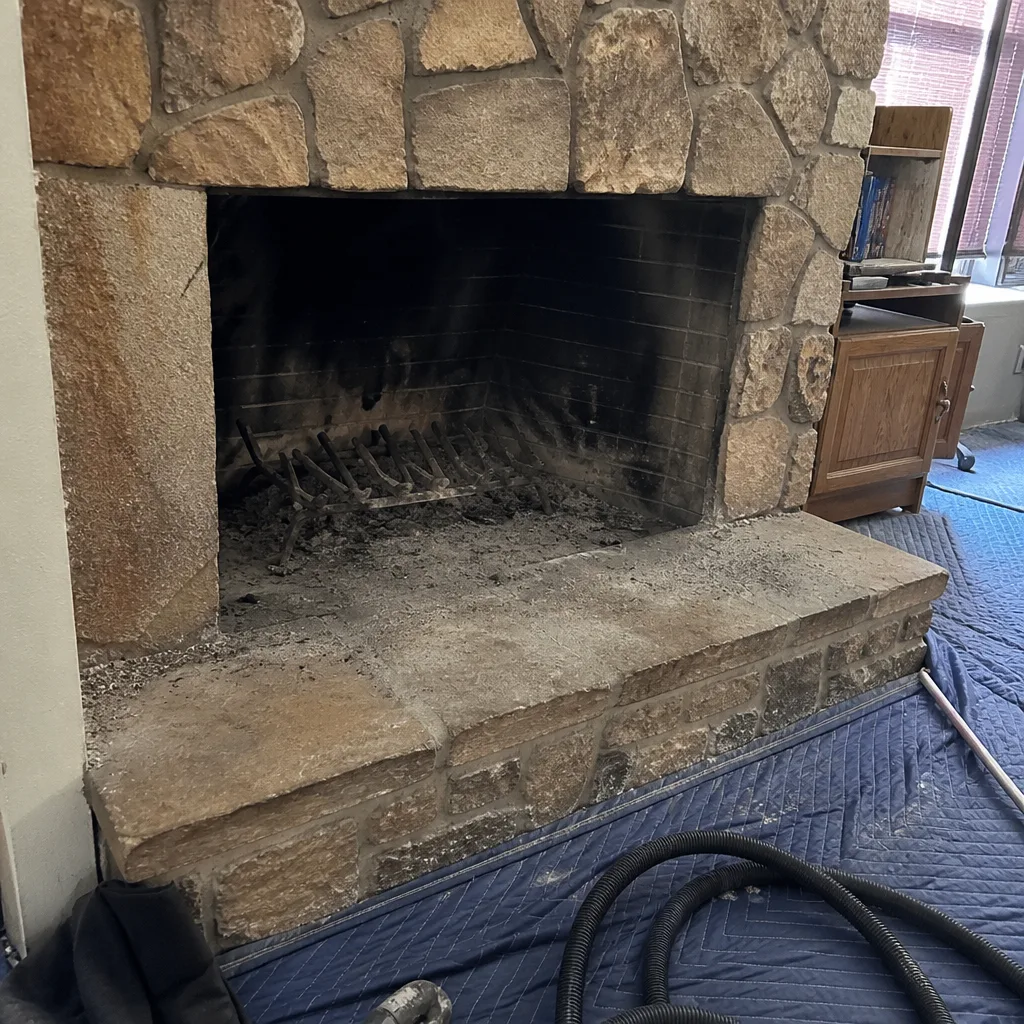 Before
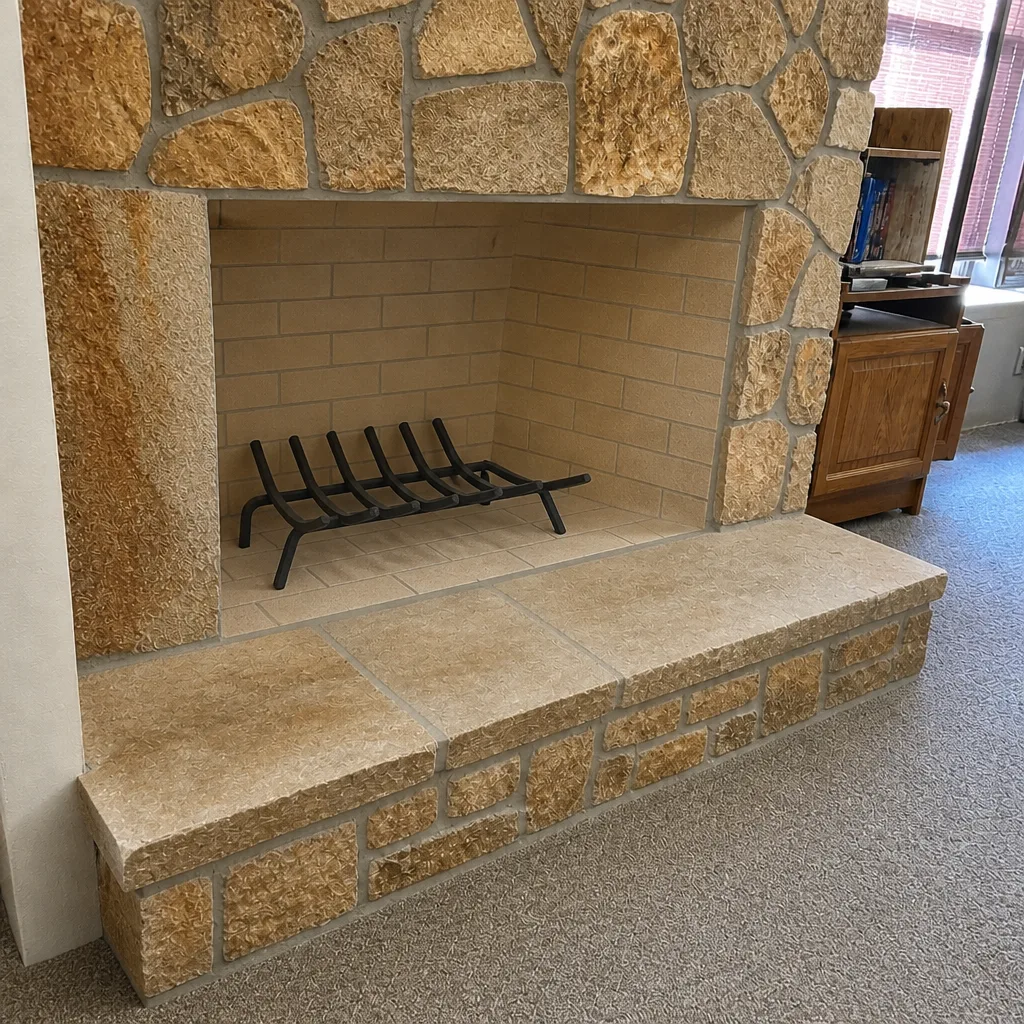 After
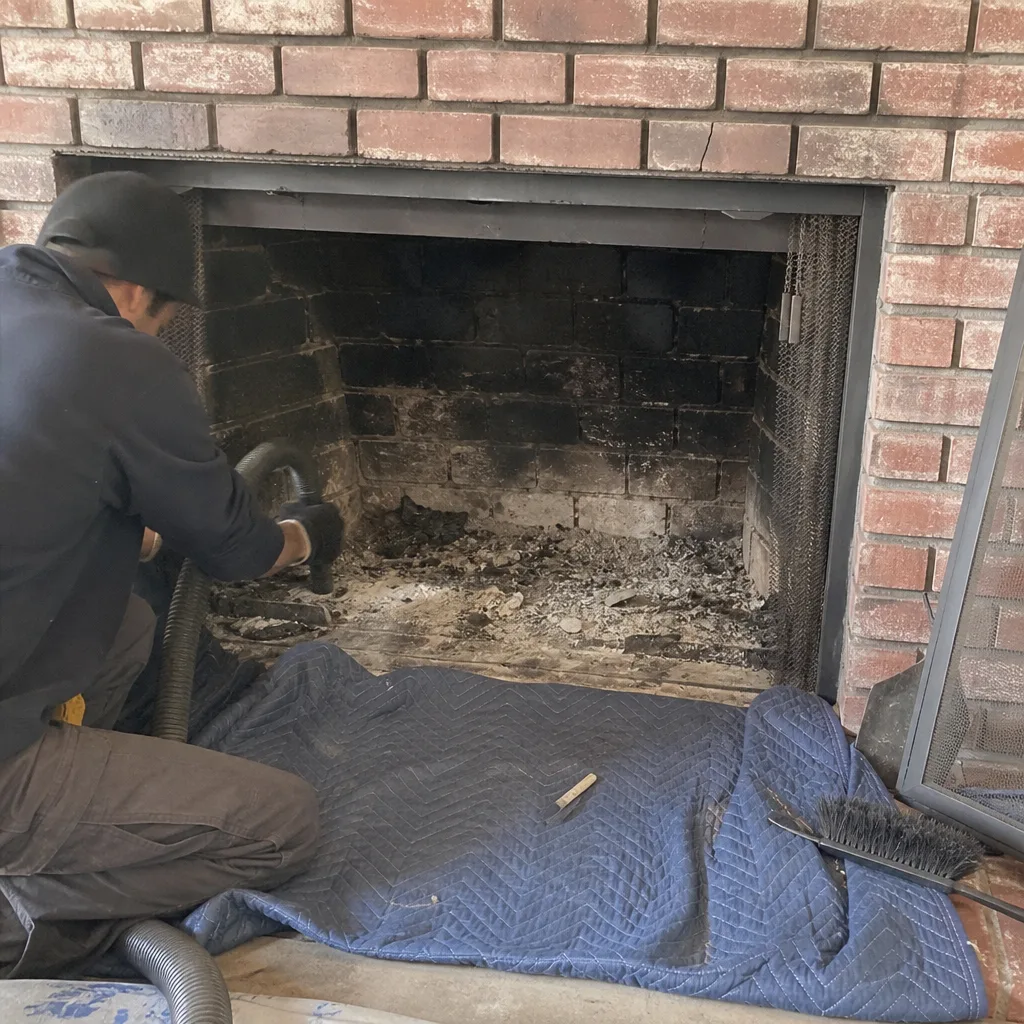 Before
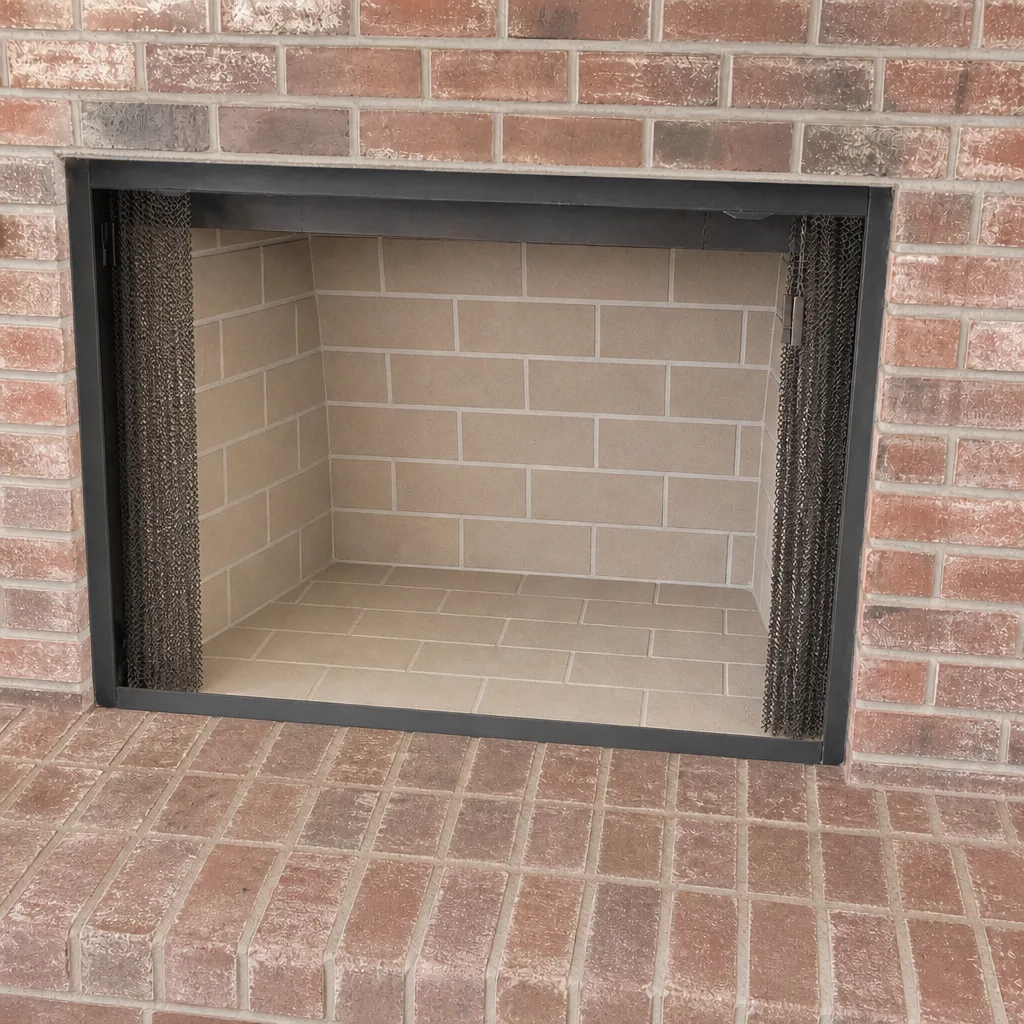 After
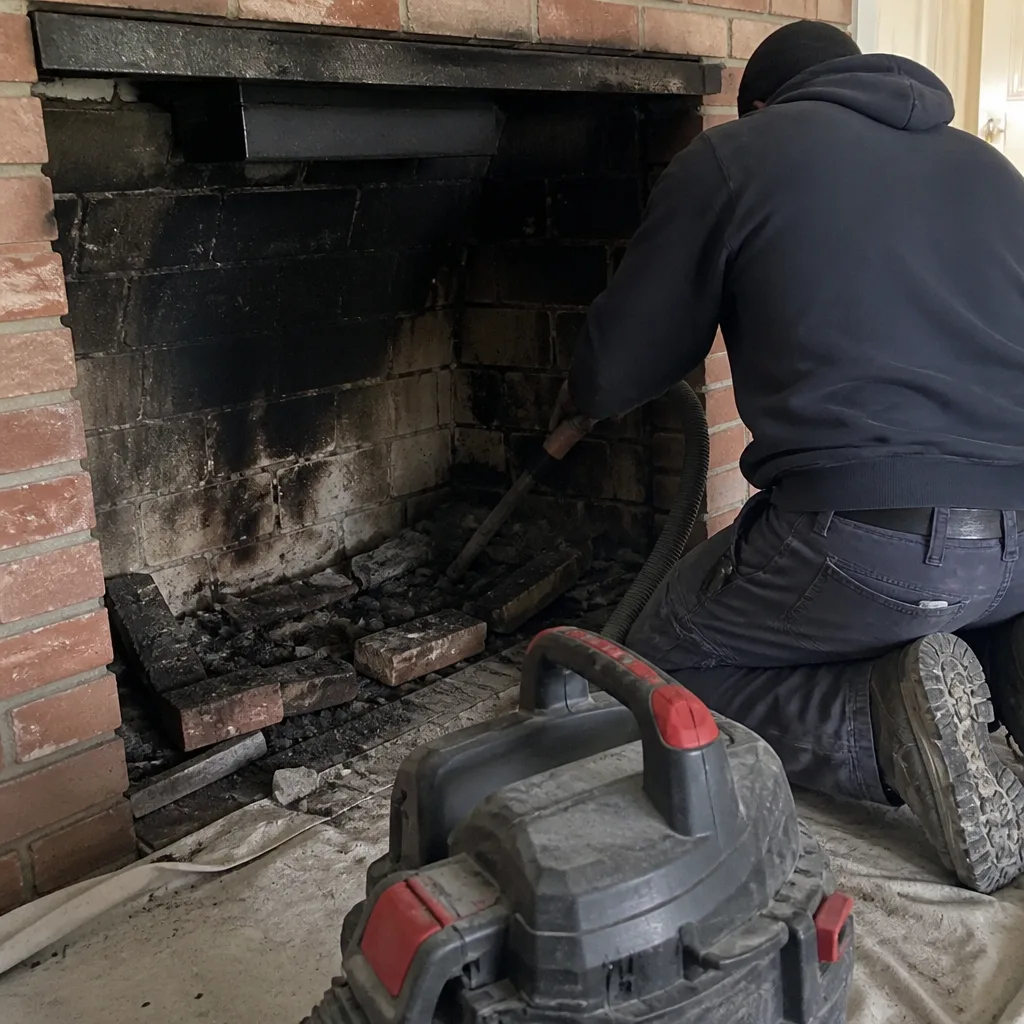 Before
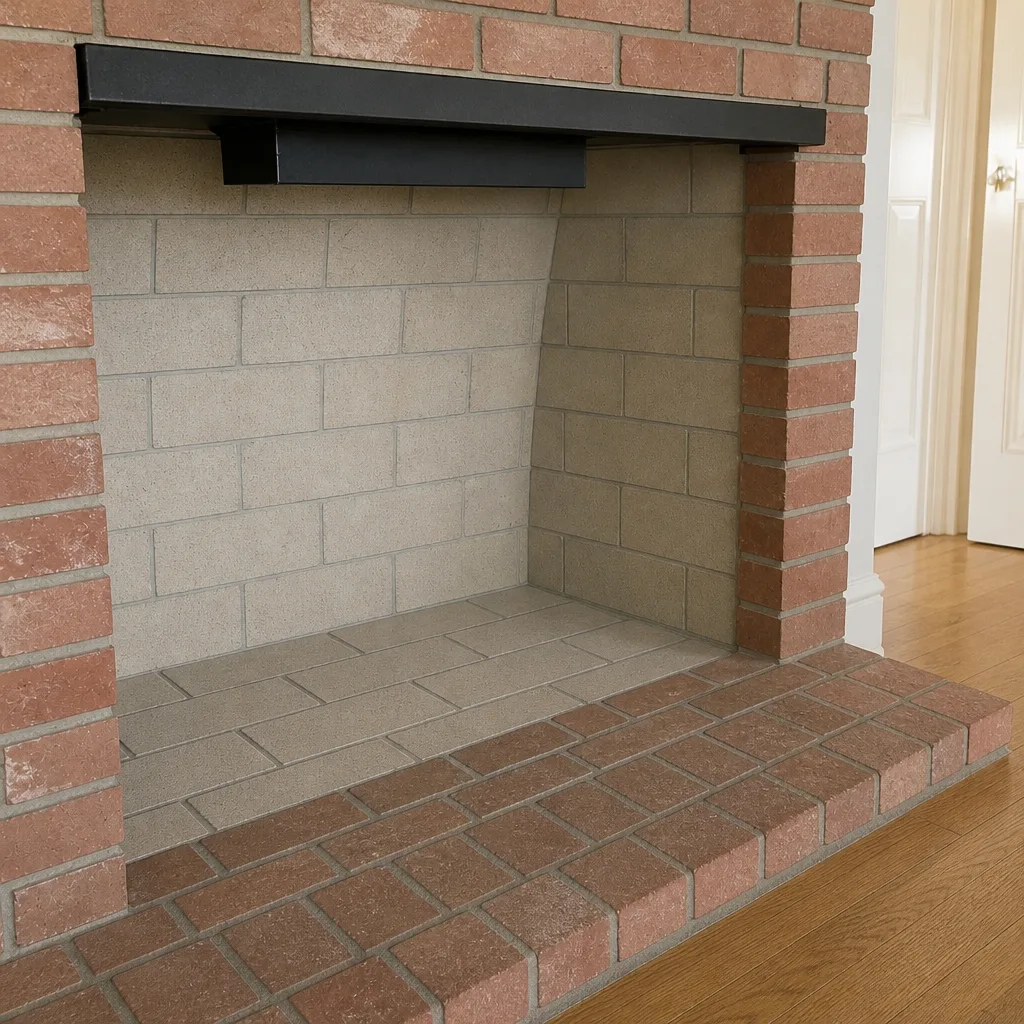 After
When to Call a Professional
Call a professional if you’re seeing smoke back into the room, if a musty or acrid smell persists, if you can see cracks running through the brick rather than the mortar, or if your dryer has started taking two cycles to do what one used to do. Call too if you’ve skipped a sweep and can’t remember the last time the flue was cleaned. Those are the cases where a trained eye and a camera inspection save guesswork. The repair side involves heights, pressure differentials, and sometimes a liner replacement that has to match the appliance exactly, and none of that is work to improvise. Chimney Sweep Paradise offers free estimates in Paradise. Call (844) 314-6144. We answer 24/7. Fast dispatch from 7am to 7pm, Sunday through Friday.
Frequently Asked Questions
Because the wind is creating a pressure differential over your roofline that pushes air down the flue faster than your fire can push smoke up. This is usually a termination or air-balance issue, not a cleaning issue, and a correct cap or an outside air source is more likely to fix it than a sweep.
Annual sweeping is the standard recommendation for a home that burns regularly, and it’s the right interval for most Paradise fireplaces. A home that burns daily through the season or burns unseasoned wood should be evaluated more often because creosote stages faster. Call (844) 314-6144 for an exact quote, and estimates are free.
Not necessarily. Smoke into the room that appears only at startup or only on windy days is a pressure problem and can usually wait for a scheduled diagnosis. Continuous smoke, a strong acrid smell, or visible debris is a sign of a blockage and should be looked at before your next fire.
A dirty chimney has creosote or soot that can be swept out, and the flue returns to full capacity. A structurally failed chimney has damaged masonry, a cracked flue, or a crown that’s letting water in. The symptoms can look similar, which is why a camera inspection matters before anyone recommends thousands of dollars of repair work. If the repair can wait, you’ll be told so. Call (844) 314-6144 for an exact quote, and estimates are free.
Yes. A slow, smoldering chimney fire can go unnoticed, and the glazed creosote that fuels it builds silently. It’s one of the strongest reasons to keep up with annual sweeping and to treat an acrid smell inside the flue as a signal that the flue has fuel in it that needs to go.
It’s a separate system, but the fire logic is the same: lint buildup in a dryer vent is a leading cause of residential house fires, and it’s easy to miss until a dryer starts taking two cycles to finish a load. We treat dryer vent cleaning as part of the same safety picture, and a slow dryer is as good a reason to call as a smoky fireplace. Call (844) 314-6144 for an exact quote. We serve homes throughout Paradise.
The Bottom Line
The point of troubleshooting is diagnosis, not guessing. Smoke on windy days is a pressure problem. Smoke all the time is a blockage. An acrid smell means creosote. A musty smell means animal intrusion. A damp smell means water in the masonry. Cracks through the brick need a professional look, and cracks through the mortar often don’t. Once you’ve matched the symptom to the cause, the fix is straightforward and the estimate is honest. Our technicians have up to 12 years of experience with professional-grade materials, and we use manufacturer-specified components on every repair. If you’re not sure which category you’re in, call and we’ll start with the diagnosis. Call (844) 314-6144. We answer 24/7. Fast dispatch from 7am to 7pm, Sunday through Friday.
Written by the team at Chimney Sweep Paradise.