
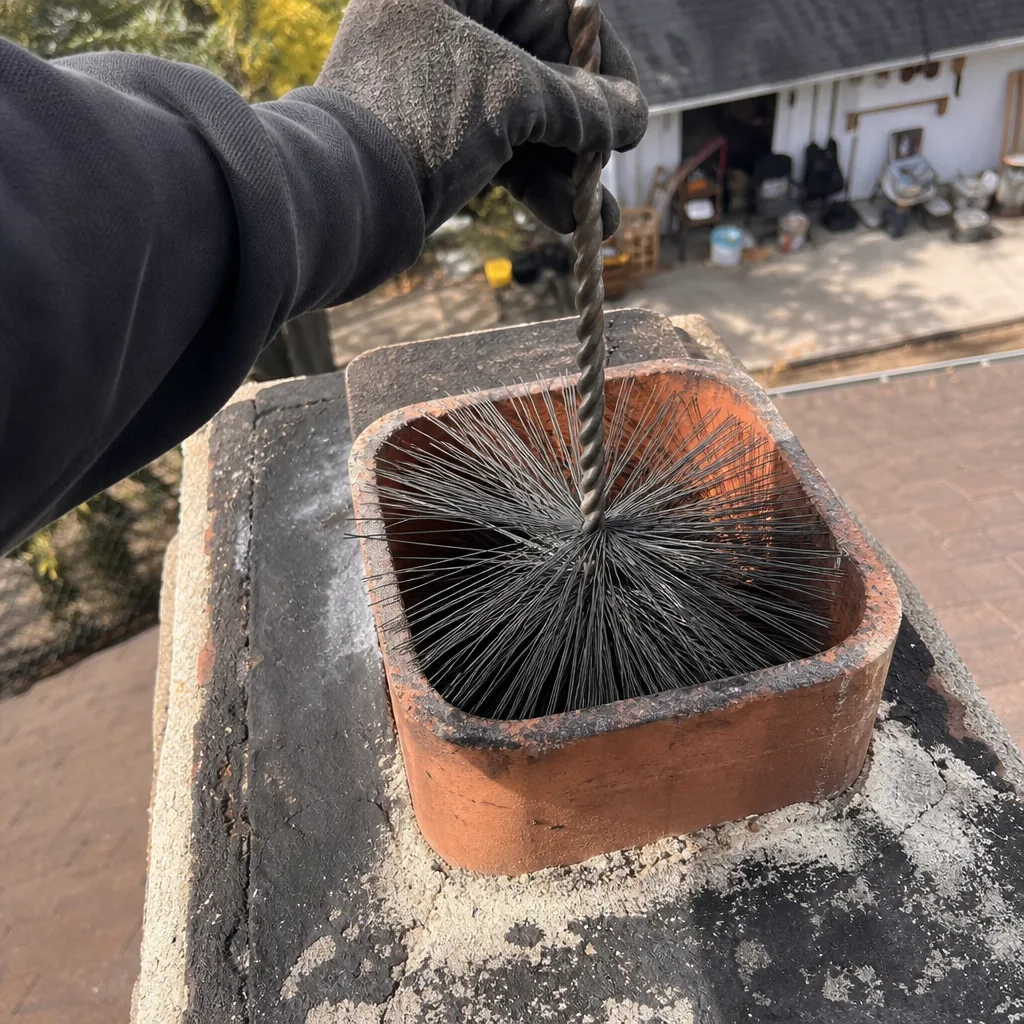
Last updated November 15, 2026
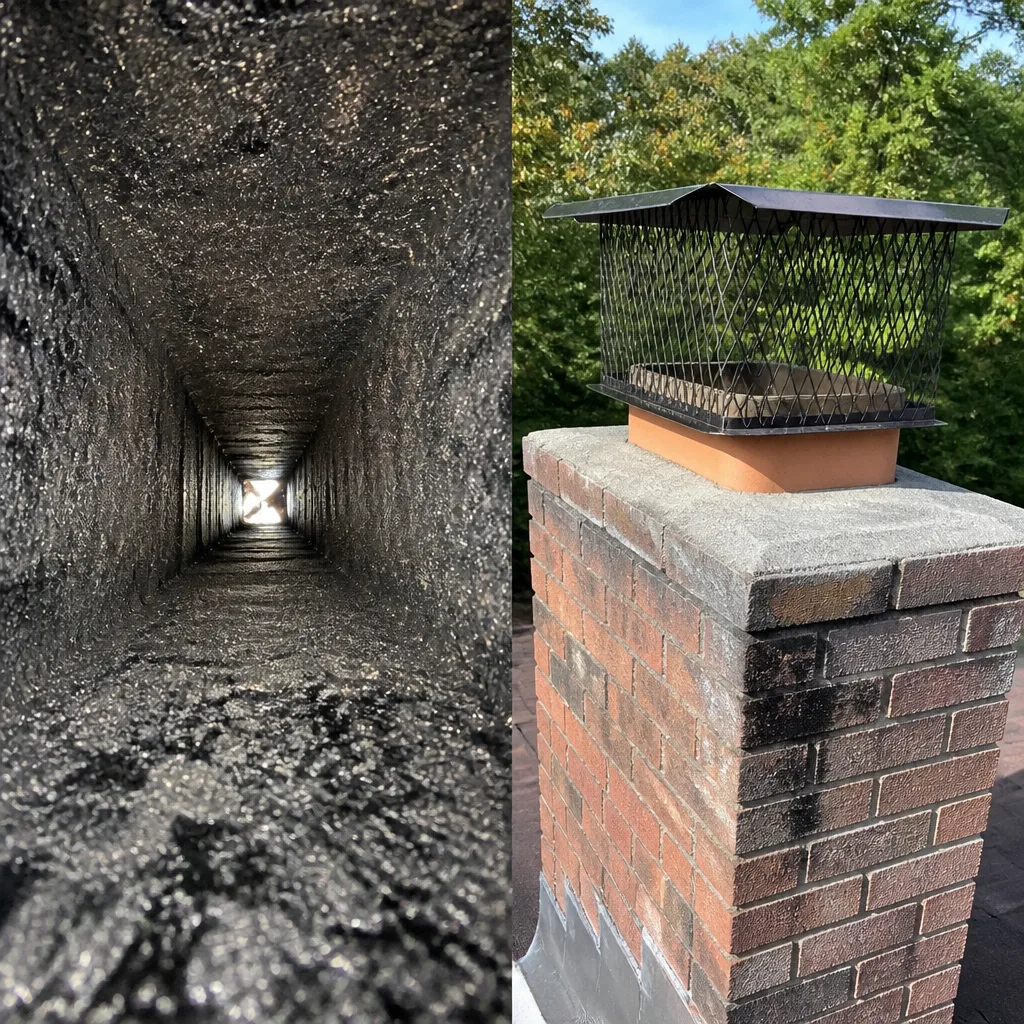 Sweep & inspection
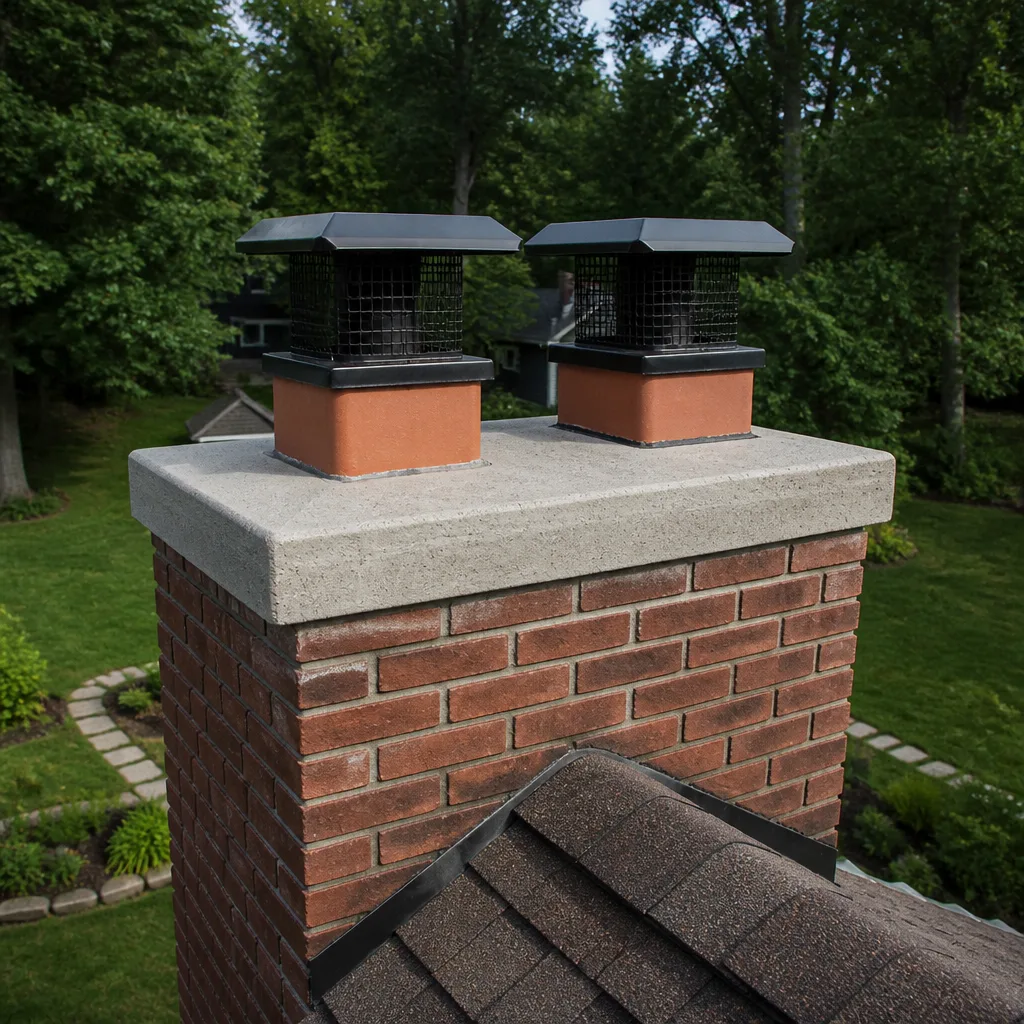 Caps & crowns
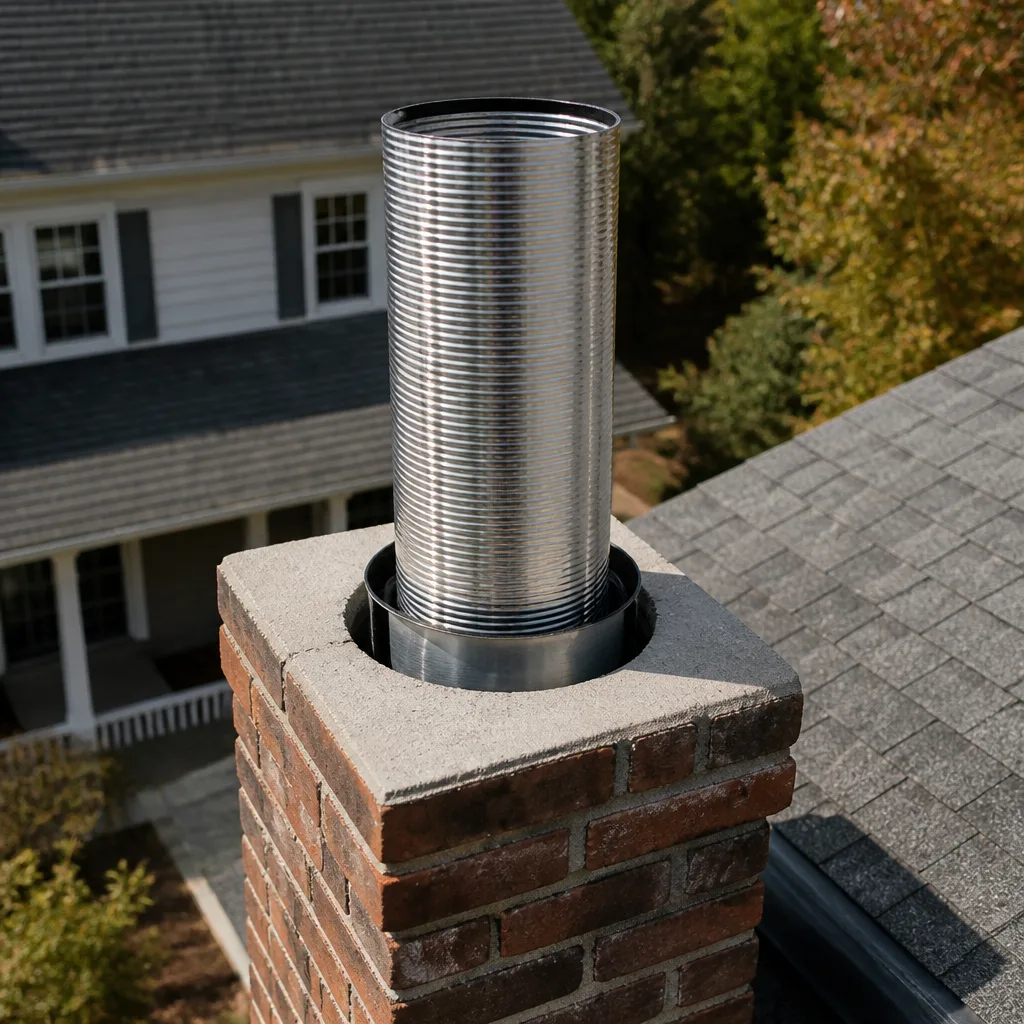 Flue relining
 Masonry repair
 Gas fireplace service
Level 1 sweep and inspection to the NFPA 211 annual standard - flue, crown, cap, and flashing checked and photographed
Chimney sweep logs do not sweep chimneys. They loosen some creosote - which then falls where a brush and vacuum still have to collect it.
Choosing the Right Chimney Cleaning Brand: A Buyer’s Guide for Paradise
A technician pulls a bottle from a tote, squirts a gel onto a brush, and sends it up your flue. You probably won’t ask what’s in the bottle. That’s the problem. Most homeowners shopping for chimney service compare price and availability, not products, so the products are exactly where standards quietly slip. When an off-brand creosote remover or a hardware store sealant goes inside your flue, it’s not a minor substitution. It’s a product being used in a combustion environment it was never rated for. This guide covers the product categories that matter in professional chimney work, what industry ratings actually mean, how to read a contractor’s brand choices as a signal of their standards, and what you can realistically expect from a professional-grade treatment. We work across Paradise with these product tiers every week, and we’ll show you what to look for.
Quick Answer
Choosing the right chimney cleaning brand comes down to one question: are the rods, chemical treatments, crown coatings and sealants used inside your flue rated for the heat and the surfaces they’ll meet? Professional-grade lines such as HeatShield, Gelco, Olympia Chimney and Famco exist because chimney products are tested against specific temperature and material conditions, and rated products carry UL listings or manufacturer approvals that generic substitutes don’t. A contractor’s product choices tell you more about their professional tier than any advertising claim. In Paradise, where burning season brings real creosote loads, that tier matters for safety, not just finish.
Styles & brands we work with
- Sweep & inspection
- Caps & crowns
- Flue relining
- Masonry repair
- Gas fireplace service
Table of Contents
- The product categories that matter in professional chimney service
- What industry ratings and approvals actually mean for chimney products
- The real risks of non-rated sealants and coatings in high heat
- How a contractor’s product choices reveal their professional standards
- Professional-grade creosote treatments compared in plain language
- The questions to ask before booking a chimney cleaning in Paradise
- Why dryer vent products belong in the same conversation
- The professional brands you’ll see on a competent truck
The product categories that matter in professional chimney service
Chimney work isn’t one product. It’s at least four distinct categories, each chosen for a different job and each with its own established professional tier. A contractor who works to a standard buys differently in all four than one who works cheap. Here’s the map.
- Brushes and rods. These clear soot and creosote from the flue walls. Professional brushes are matched to flue shape and liner material – polypropylene for stainless liners, wire for masonry, flat or round depending on the geometry. Cheap rods flex, mark liners, and can’t reach a bend. Branded professional lines exist because a stained or scored liner is a repair you didn’t need.
- Chemical treatments. Creosote removers, soot solvents and preconditioning powders break down the deposits a brush can’t reach. Professional products carry a rating for use inside a flue; hardware store versions often don’t. This is the category where substitutions are most common and most invisible.
- Crown coatings and masonry repair products. The crown is the concrete cap around the top of the chimney. Coatings like HeatShield are specified for the temperature and movement a crown actually sees. Generic patching compound looks fine on day one and cracks on the first hard freeze.
- Liner sealants and resurfacing systems. Stainless liners from lines like DuraFlex and Olympia Chimney come with manufacturer-specified components, and resurfacing systems like HeatShield are applied by approved contractors to specific tolerances. Off-brand sealant applied to a rated liner voids the rating.
In Paradise the split between categories shows up quickly. A home with a wood-burning appliance that gets real use needs the chemical treatment tier, because creosote in a hot, dry climate glazes and hardens fast. A home with a gas appliance still needs the correct brush and inspection tools, because the residue is different but the standard isn’t. The point isn’t that every job needs all four categories. It’s that a professional carries the right product for the job at hand and can tell you why.
What industry ratings and approvals actually mean for chimney products
Industry ratings are the short answer to “is this product safe in my flue?” A UL listing means the product has been tested by Underwriters Laboratories against a published safety standard. A manufacturer approval means the company that made your liner, insert or appliance has specified that product for compatible use. Neither is a marketing badge. Both are checkable.
Here’s what the main ones mean in practice:
- UL listing on a component. The product has passed a fire and temperature test for its stated use. If a cap, a liner section, a sealant or a treatment carries a listing, it tells you the manufacturer submitted it to an independent lab. Ask which listing applies.
- CSIA endorsement of a cleaning product. The Chimney Safety Institute of America doesn’t list every product, but when a treatment carries professional endorsement, it means it’s been evaluated for use by chimney professionals. It’s a reasonable screen, not a guarantee.
- Manufacturer approval for resurfacing and sealant systems. Products like HeatShield require approved installers and specified application conditions. If a contractor is approved for the system, there’s a paper trail of training and material specs behind the work.
- Appliance compatibility ratings. A liner or sealant is rated for specific flue types and temperatures. Using a product outside its rating is the single most common cause of early failure. The rating on the packaging is the check.
Anyone can say “we use professional products.” The professional question is: “which rated products, and can you show me?” A contractor who can name the product, the listing it carries and why it was chosen for your flue is working to a standard. A contractor who says “we use good stuff” isn’t. In our experience across Paradise homes, the products named tend to be HeatShield for resurfacing, Gelco and Famco for sealants and repair components, and Olympia Chimney for liners and venting. The specific names matter less than the fact that the contractor can point to the rating.
The real risks of non-rated sealants and coatings in high heat
A flue is not a wall. It cycles between ambient temperature and several hundred degrees, it carries acidic combustion gases, and it moves slightly with every burn. A product that works fine on a bathroom tile can fail inside a month up there. Here’s what actually goes wrong when non-rated products are used.
- Adhesion failure. Generic sealants aren’t rated for the temperature swings a flue sees. They lose their bond, lift at the edges and let water in behind the crown or the liner joint. What looks like a new coating hides a failing one.
- Off-gassing. Some low-grade products release fumes when heated that aren’t appropriate for a space that vents into living areas. That’s a comfort problem on day one and a health concern over time. Rated products are specified for the temperatures involved.
- Accelerated cracking. A crown coating that isn’t rated for thermal movement cracks within a season or two. Once it cracks, water gets into the masonry, and the repair that follows costs far more than the coating that failed.
- Voided system ratings. If a rated liner is sealed with an unrated product, the liner’s manufacturer specification no longer covers the joint. When something goes wrong later, the paper trail is gone.
None of this is theoretical in a desert climate. In Paradise, the swing between a cold night and a warm day stresses coatings constantly, and a thin generic sealant that held in a mild setting will shrink and crack here. We’ve seen crown coatings that failed in a single season, and the pattern is almost always the same: an unrated product applied to a rated problem. This is why professional-grade materials, every job, is more than a slogan. The right coating costs more up front and lasts years longer.
How a contractor’s product choices reveal their professional standards
A contractor’s brand choices are a proxy for their standards because products aren’t free. A technician who stocks a professional resurfacing system, a rated creosote treatment and matching liner components has chosen to buy into a tier that costs more, requires training, and takes more time to apply correctly. Someone who buys whatever’s cheapest at the hardware store has made a different choice. Neither will tell you which one they are. The products will.
Here’s how to read the signal when you’re evaluating a contractor:
- Ask what they’ll use and why. A competent contractor can name the treatment, the coating and the liner parts they plan to use and explain the reason for each. Vague answers are the signal.
- Ask if the product is rated for your flue type. A gas flue, a masonry flue and a liner all take different products. A contractor who can’t distinguish them hasn’t been trained to.
- Look at the names. Professional-tier names circulate in this trade for a reason. HeatShield, Gelco, Olympia Chimney and Famco appear in the vocabulary of people who do this work. Off-brand names usually don’t.
- Ask for the estimate in writing. A written estimate names the products, the quantities and the scope. If it says “chimney cleaning” with no product detail, you’re buying an unknown.
- Ask who’s approved to install the system. Resurfacing and liner systems require approved installers. An installer who isn’t approved for the product they’re using is a red flag.
We work with a specific roster because the products are what separate a repair that holds from one that fails. HeatShield for resurfacing, DuraFlex for liner systems, and Gelco, Famco and Olympia Chimney for the components and sealants that hold the whole thing together. That’s not a marketing list. It’s the tier of materials that meets the ratings we’ve been describing. When you ask a Paradise contractor which rated products they use, the answer tells you which tier of work you’re getting. Our technicians have up to 12 years of experience, and in that time the pattern has held: the products are the proof.
Professional-grade creosote treatments compared in plain language
Creosote is the tar-like deposit left by wood smoke, and it comes in three forms: a soft soot you can brush away, a flaky crust, and a glazed, hardened layer that a brush alone won’t touch. The professional treatment tier exists mainly for that third form. Here’s how the main product types work and what you should realistically expect.
- Powders and preconditioning compounds. These are meant to be burned or applied ahead of a sweep to dry out and loosen glazed deposits. Professional-grade powders are rated for the flue and applied according to a measured dose. Expect them to soften the crust so a brush can remove it, not to make a glazed flue spotless on their own.
- Gels and liquid removers. These are brushed or sprayed onto the deposits and left to react. Rated gels can break down glazed creosote over a treatment cycle, but the reaction takes time and often a second visit. Vanishingly few treatments clear a heavily glazed flue in one application, regardless of what the label promises.
- Chemical sweeps in stages. A professional may apply a treatment, wait, then sweep, then inspect. That staged approach is the honest version of what a heavy-creosote flue needs. Anyone promising one-pass results on a glazed flue is overselling.
- What results to expect. A soft-soot flue comes clean in one sweep. A flaky flue usually comes clean in one sweep with the right brush. A glazed flue typically needs a treatment cycle, a sweep and a camera inspection to confirm. Expect a staged plan, a written estimate and a report on what was removed.
The rated products matter because a glazed flue treatment that fails leaves a fire hazard in place while giving the homeowner a false sense of security. In Paradise, where a wood-burning appliance gets real seasonal use, a glazed flue is a real risk and a professional-grade treatment is the right tool. A generic remover that doesn’t carry a rating for flue use isn’t worth the savings. If the deposits are heavy enough to need a treatment, you want a product that’s been tested for the job and a contractor who can tell you honestly what one pass will and won’t achieve.
The questions to ask before booking a chimney cleaning in Paradise
A short list of questions filters out most of the risk in hiring. Ask them before you book, not after the technician is on the roof. The answers tell you whether you’re dealing with a professional tier or a price-led generalist.
- Which products will you use, and are they rated for my flue type? A professional can name them and explain why they fit your appliance and flue material. If the answer is vague, that’s your answer.
- Will I get photos of what you find? A camera inspection with photos you can see is the standard. You should be able to look at the interior of your flue, the condition of the crown and the state of the liner joints before anyone recommends work.
- Is the estimate in writing before the work starts? A written estimate names the scope, the products and the price. The price is set per job, not by a number quoted on the phone. Press for the written version.
- If you find a repair, will I see the evidence? The real hesitation about chimney repair is being told you need thousands of dollars of liner or masonry work you can’t verify. A professional shows you the photos and says plainly when a repair can safely wait.
- Which professional brands do you work with? The names HeatShield, Gelco, Olympia Chimney and Famco should be familiar to a chimney specialist. A contractor who only knows generic brands isn’t working to the tier you’re paying for.
- What exactly will the sweep cover? A chimney sweep is not the same as a dryer vent cleaning, and a repair is a third thing. A specialist handles all three, so you don’t need to source multiple contractors when a job turns out to need more than a brush.
The written estimate and the photos are the two things that give you control. In Paradise, the homes we see range from gas inserts to wood stoves, and the sweep that fits one doesn’t fit the other. A professional tier contractor knows that going in and prices it accordingly. Call (844) 314-6144 for a free estimate when you’ve got the answers you need.
See the difference
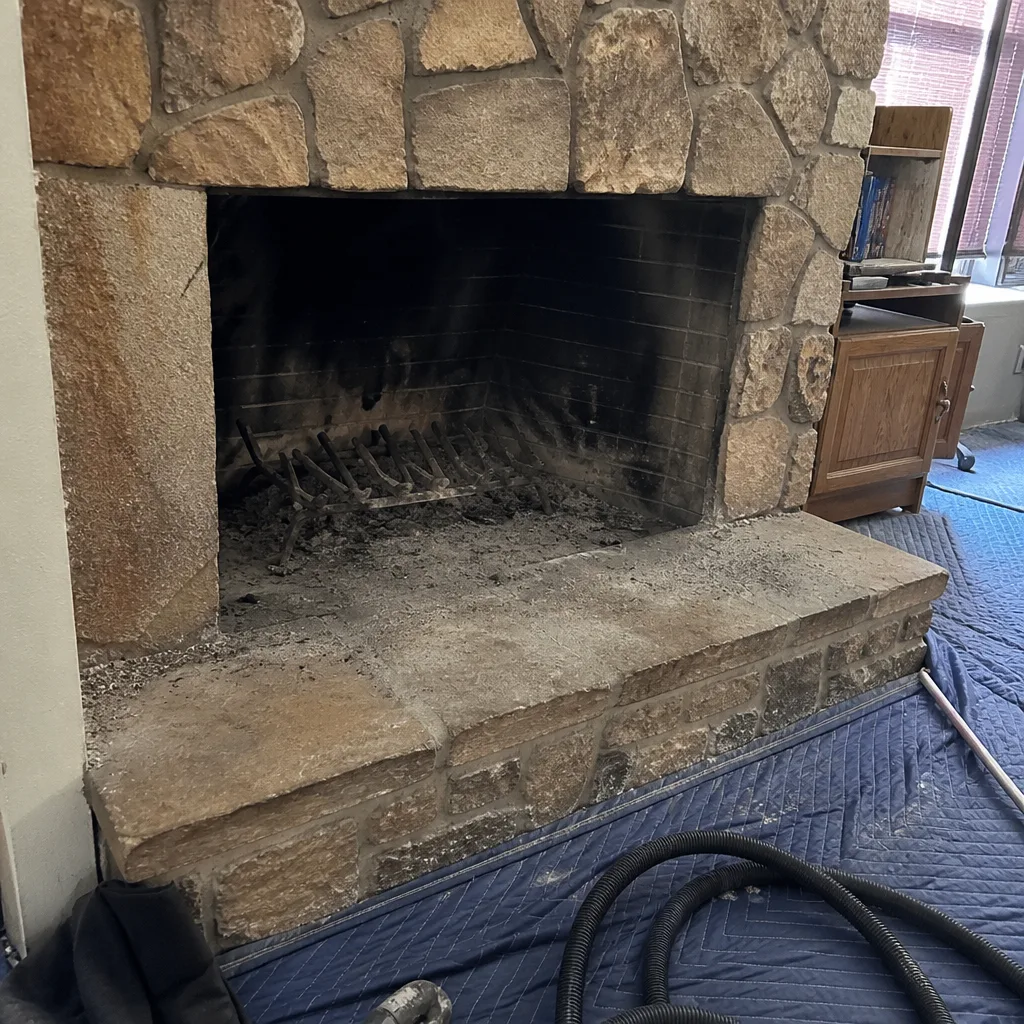 Before
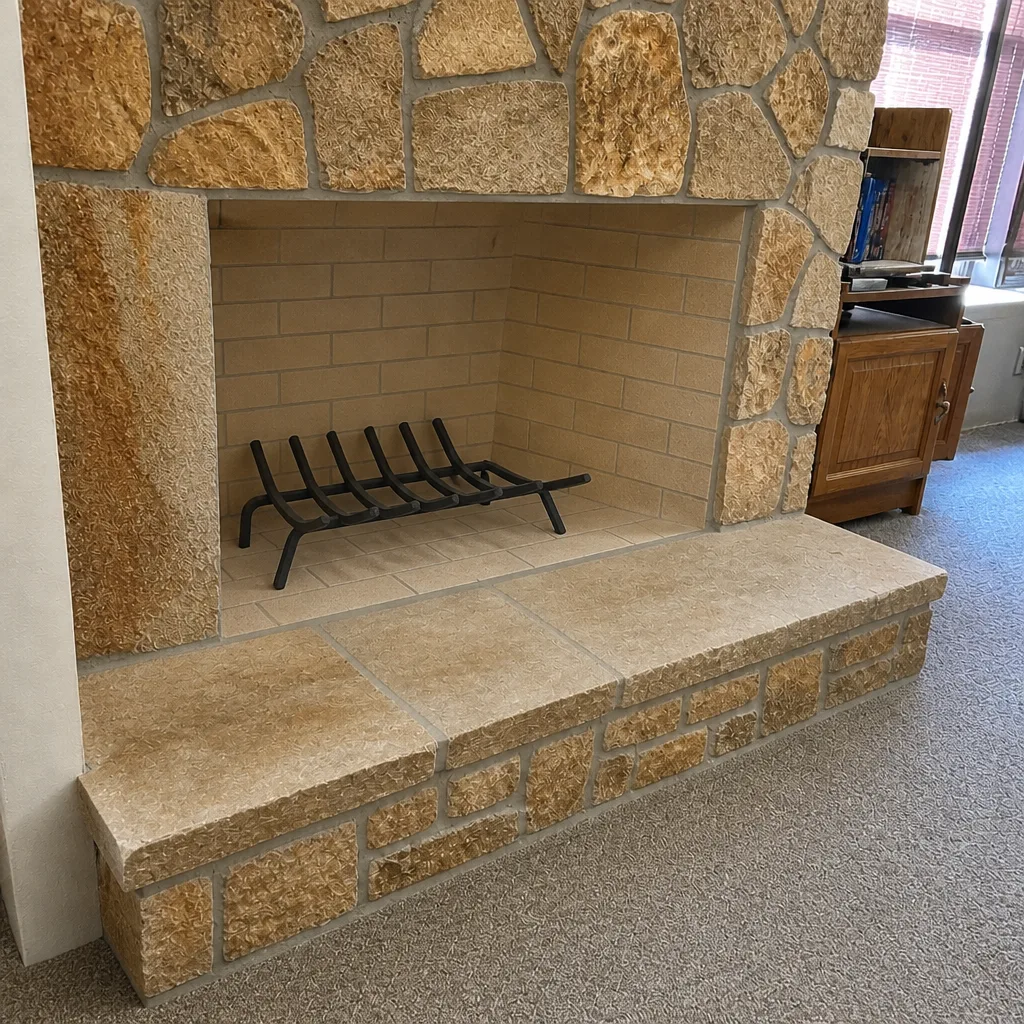 After
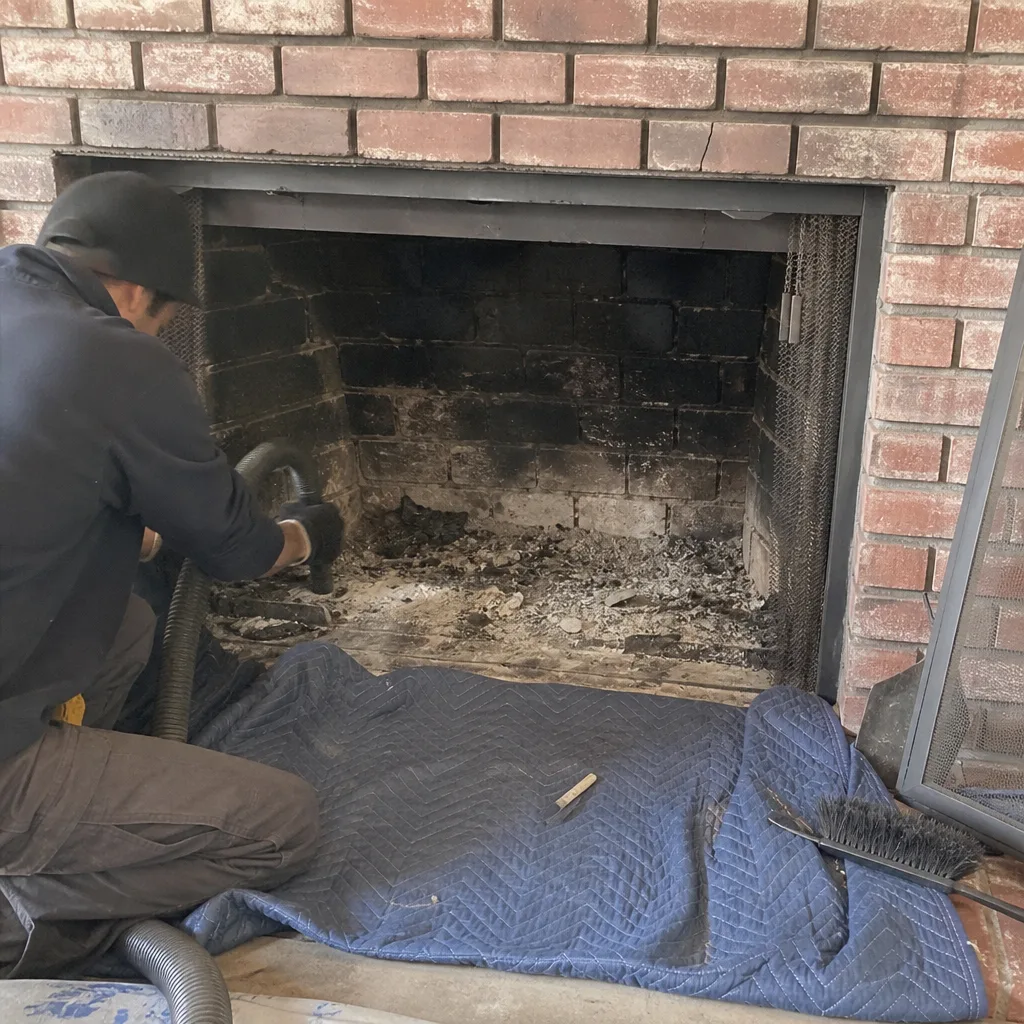 Before
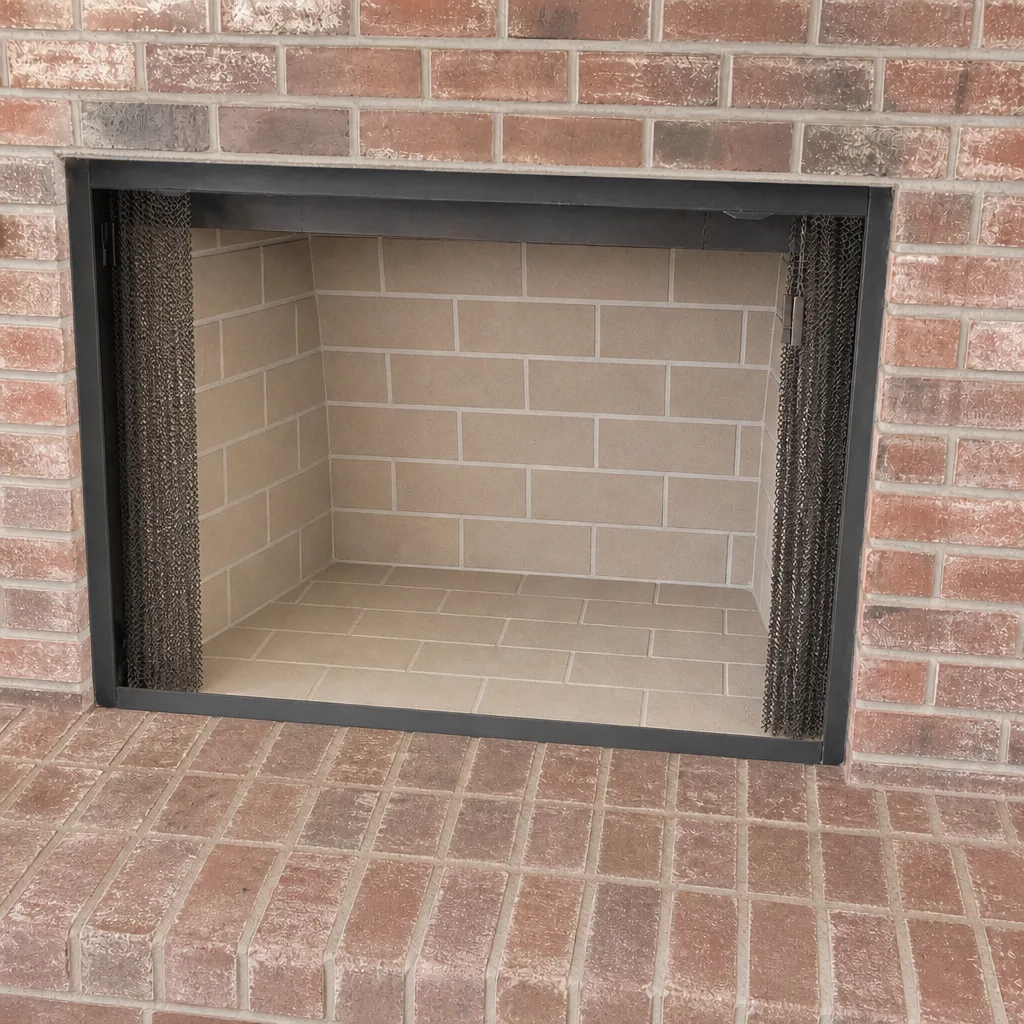 After
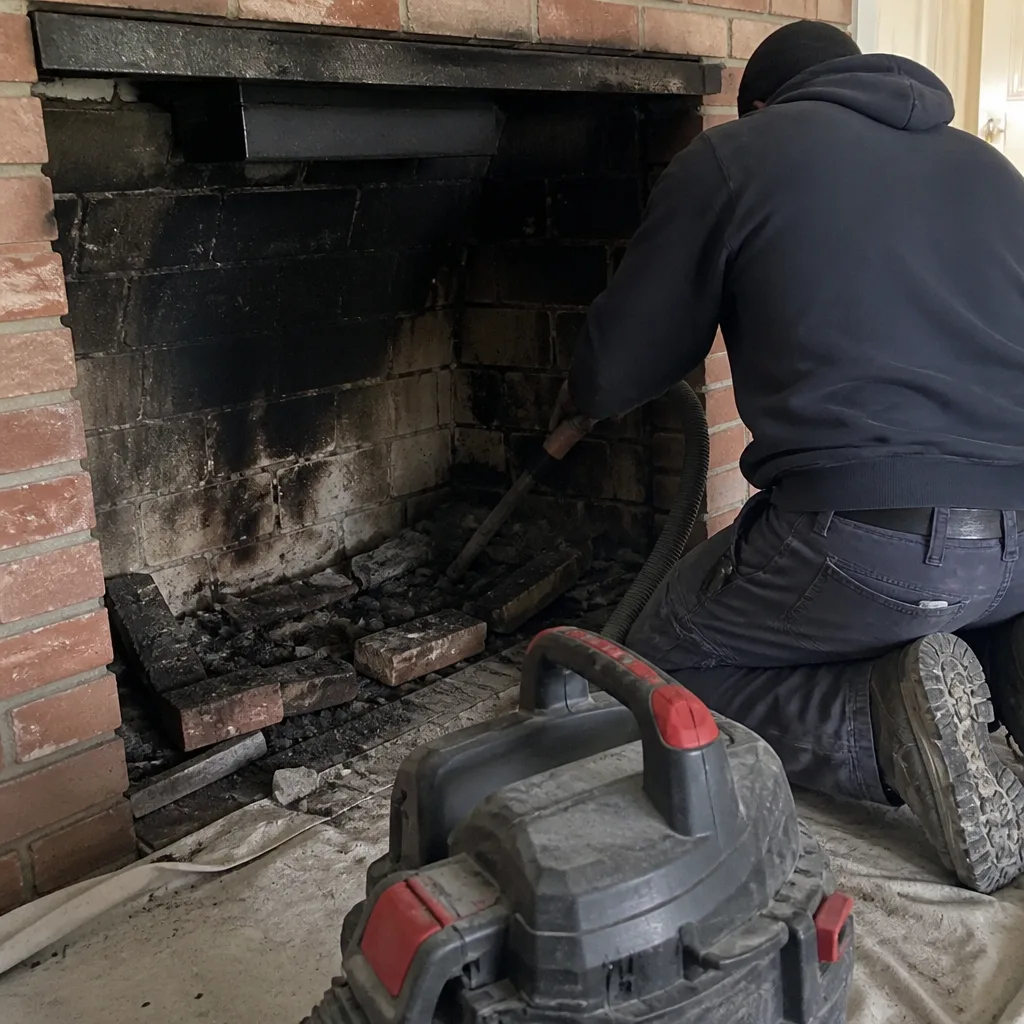 Before
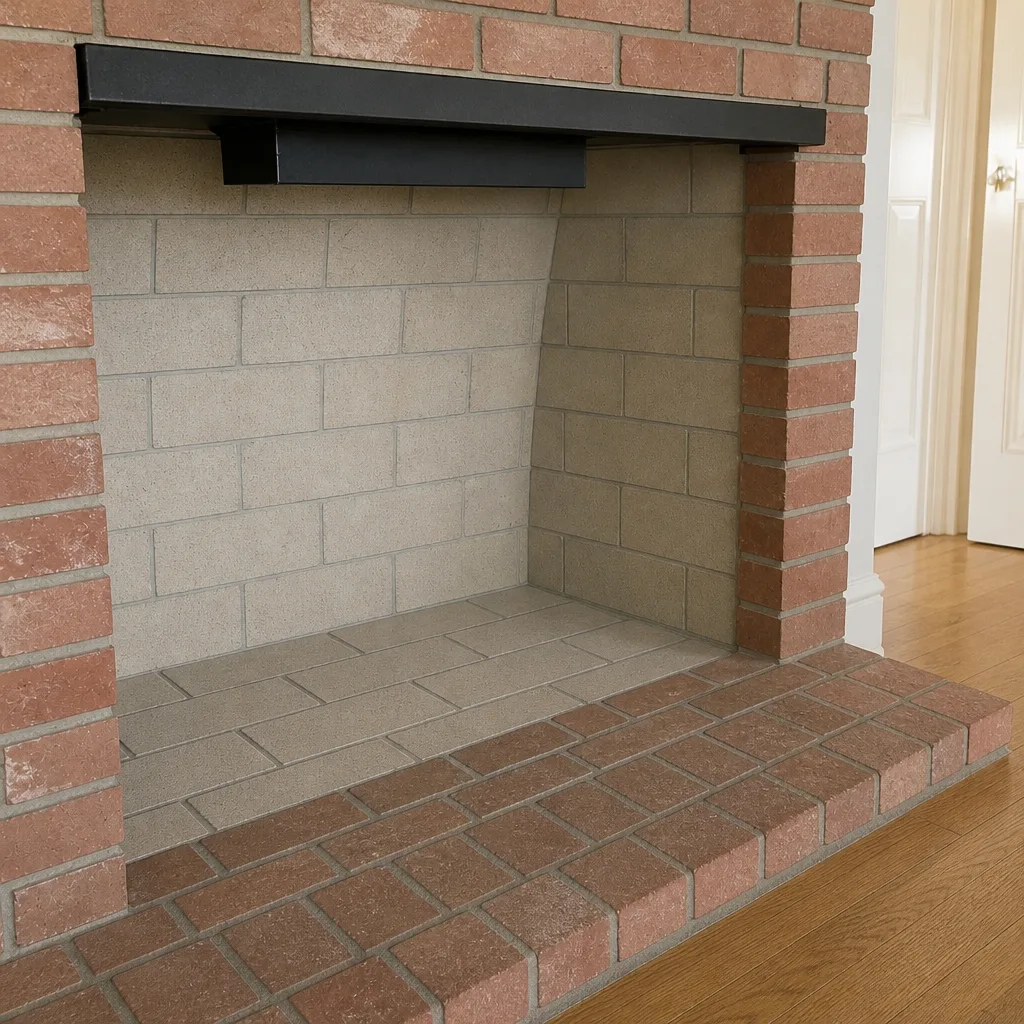 After
Why dryer vent products belong in the same conversation
Your dryer vent is a chimney too. It carries hot, lint-laden air out of the house, and when lint builds up along the duct, it’s a fuel load sitting in a heat path. This is one of the leading causes of residential house fires, and it’s routinely overlooked because it isn’t visible the way a smoky fireplace is. The product tier matters here the same way it does in the flue: proper brushes for the duct shape, the right tools to reach a bend, and a camera inspection to see what’s actually inside.
Most pure chimney sweeps don’t address dryer vents at all. That’s a gap, because a home with both a fireplace and a dryer has two duct systems carrying heat and combustion byproducts, and both benefit from the same professional standard. If your dryer takes longer than it used to, if the load comes out hot, or if you’ve noticed lint accumulating behind the machine, the duct is the first place to look. Chimney Sweep Paradise offers dryer vent cleaning as a standalone service or alongside a sweep, and we use professional brushes and tools matched to the duct, not a generic attachment.
There’s a practical reason to book both together: one visit, one specialist, no referral. A mult-problem job – a sooted flue and a clogged dryer duct – doesn’t need two contractors. It needs one professional tier of work applied to both systems. In a dry, hot climate like ours, lint and dust accumulate faster than people expect, and a yearly check on both is a reasonable rhythm. It’s the same product standard, the same camera, the same report.
The professional brands you’ll see on a competent truck
You don’t need to memorize a product catalog. You do need to recognize the professional tier when you see it, so here’s a plain-language guide to the brands that show up in competent chimney work and what each one is for. This isn’t an exhaustive list, and no single contractor carries all of them, but the presence of these names is a signal that someone is buying to a standard.
- HeatShield. A chimney resurfacing system used to restore flue and crown interiors with a specified, manufacturer-approved material rather than a generic patching compound. It’s a system, not a paint, and it’s applied by approved installers to a tolerance.
- DuraFlex. A professional-grade liner system for relining and repairing flues. Liner systems are specified by manufacturer for the appliance and flue type, and the components have to match.
- Gelco. A line of professional chimney products including sealants and repair components used by contractors who work to a rated standard.
- Famco. A manufacturer of chimney components – caps, dampers, liner parts and related fittings – used on professional installations where the parts need to fit the system.
- Olympia Chimney. A professional venting and liner brand specified for compatible systems, common in the work of certified chimney professionals.
- Copperfield. A line of professional chimney components and tools used across cleaning and repair work.
The reason this list matters is the ratings. Each of these names corresponds to products that are specified for a particular use and tested against a standard. A contractor who works with them can point to the specification. A contractor who substitutes a hardware store sealant can’t. When you’re evaluating who works on your chimney, the brand names on the estimate are a shortcut to that answer. We work with these brands because they’re the tier that holds up in a combustion environment, and we’d rather show you the products than make a promise about quality.
Common Mistakes to Avoid
- Choosing on price alone. A sweep quoted far below the field usually gets there by substituting the products. The savings on the cleaning is a down payment on the repair that follows a failed coating or an unrated sealant.
- Not asking what’s being used. Most homeowners never see the treatment bottle or the sealant tube. Ask, before the work, which products will be used and why. In Paradise, where heavy creosote loads are real, the answer matters.
- Treating a glazed flue as a one-pass job. A glazed creosote layer usually needs a staged treatment, a sweep and a camera inspection. Anyone promising one pass on a heavily glazed flue is overselling, and the hazard stays in place.
- Accepting an oral estimate for a repair. A repair estimate that doesn’t name the products and scope in writing is hard to evaluate and harder to hold anyone to. Ask for it in writing, with photos.
- Skipping the crown. A cracked crown lets water into the masonry and drives the most expensive repairs. A sweep that doesn’t check the crown isn’t a complete inspection.
- Ignoring the dryer vent. It’s a separate duct with its own fire risk, and it’s the one most often forgotten. A specialist who handles both chimney and vent work is one call instead of two.
- Assuming a gas appliance doesn’t need a sweep. Gas appliances still need the correct inspection tools and sweep products. The residue is different, the standard isn’t, and skipping it hides a problem.
When to Call a Professional
Some jobs are routine and some aren’t. Call a professional when you smell smoke in the house outside of burn time, when the draft has changed, when you’ve had a chimney fire, when the crown is visibly cracked, or when a glazed creosote layer is more than you can brush away. Call when the dryer starts taking longer than it used to, or when lint builds up behind it. Call before burn season starts, so a sweep is on the schedule and any needed repair can be done at a sensible pace. And call when a previous contractor recommended work you couldn’t verify – a second look with photos is the right response. Chimney Sweep Paradise provides chimney sweeping, dryer vent cleaning and chimney repair across Paradise. Call Chimney Sweep Paradise at (844) 314-6144 for a free estimate, or book a chimney sweep ahead of the season. We answer 24/7. Fast dispatch from 7am to 7pm, Sunday through Friday.
Frequently Asked Questions
Professional chimney sweeps use brands specified for the products they apply in a flue: HeatShield for resurfacing, DuraFlex and Olympia Chimney for liner systems, and Gelco, Famco and Copperfield for the components, sealants and fittings that hold a system together. Each name corresponds to a product rated for a particular use, which is what separates them from generic substitutes. The right question isn’t “which brands” in general but “which rated products will you use on my flue, and why?” Call (844) 314-6144 and we’ll walk you through it before you book.
Yes, and the difference shows up in failure, not in appearance. Generic sealants aren’t rated for the temperature swings and acidic gases inside a flue, so they lose adhesion, off-gas and crack faster than rated products. A crown coating rated for thermal movement lasts years longer than a hardware store patching compound. In Paradise, the day-to-night temperature swing stresses these products constantly, so the tier matters more, not less. Ask what’s being applied and whether it carries a rating.
Expect a staged result, not a one-pass miracle. A soft-soot flue comes clean in one sweep; a flaky layer usually comes clean in one sweep with the right brush; a glazed layer typically needs a treatment cycle, a follow-up sweep and a camera inspection to confirm the work. Rated powders and gels soften glazed deposits so a brush can remove them – they don’t make a heavy glaze vanish in a single application. A contractor who promises one-pass results on a glazed flue is overselling. Call (844) 314-6144 for an honest assessment of your flue.
Ask three questions: which product will you use, what rating or approval does it carry, and can I see the specification on the estimate? A professional can name the treatment, the coating and the liner parts and explain why each fits your flue and appliance. A written estimate should name the products, the quantities and the scope. If the answer is vague or the estimate says only “chimney cleaning,” you don’t have enough to evaluate. Our technicians have up to 12 years of experience with these products, and we’re glad to show you the spec.
Yes. Paradise swings between cool nights and warm days, and that thermal movement stresses coatings and sealants every season. Products that aren’t rated for movement crack faster here than in a mild climate, and creosote from wood burning glazes and hardens quickly. That combination is why rated materials matter more in Paradise than the price difference suggests. It’s also why a crown coating is worth inspecting every time, not just when you notice water. Call (844) 314-6144 if you’re not sure what’s on your chimney.
Sweep frequency depends on use, but a wood-burning flue with regular seasonal use generally needs an annual inspection and a sweep when deposits warrant it. Skipping a sweep leaves creosote in the flue, and a glazed layer is a fire hazard that gets worse with every burn. Skipping the crown check lets water into the masonry, which is the most expensive repair a chimney can need. In Paradise, book a sweep before burn season and give us a call at (844) 314-6144 if it’s been a while.
The Bottom Line
Chimney products aren’t commodities. They’re rated materials applied to a combustion environment, and the brand tier tells you whether they were tested for the job. When you choose a chimney cleaning brand in Paradise, you’re really choosing a contractor’s product standards. Ask what they’ll use, whether it’s rated for your flue type, and whether the estimate names it in writing. Look for professional names like HeatShield, Gelco and Famco as a shortcut to the tier of work you’re getting. And remember the dryer vent – it’s a heat path with its own fire risk. A sweep that clears the risk, not just the soot, is the one worth booking.
If you’re evaluating who should work on your chimney, start with a conversation. Call Paradise‘s chimney specialist, Chimney Sweep Paradise, at (844) 314-6144 for a free estimate. We’ll tell you which rated products fit your flue, show you the photos, and say plainly when a repair can wait. We answer 24/7. Fast dispatch from 7am to 7pm, Sunday through Friday.
Written by the team at Chimney Sweep Paradise.