
Last updated November 15, 2026
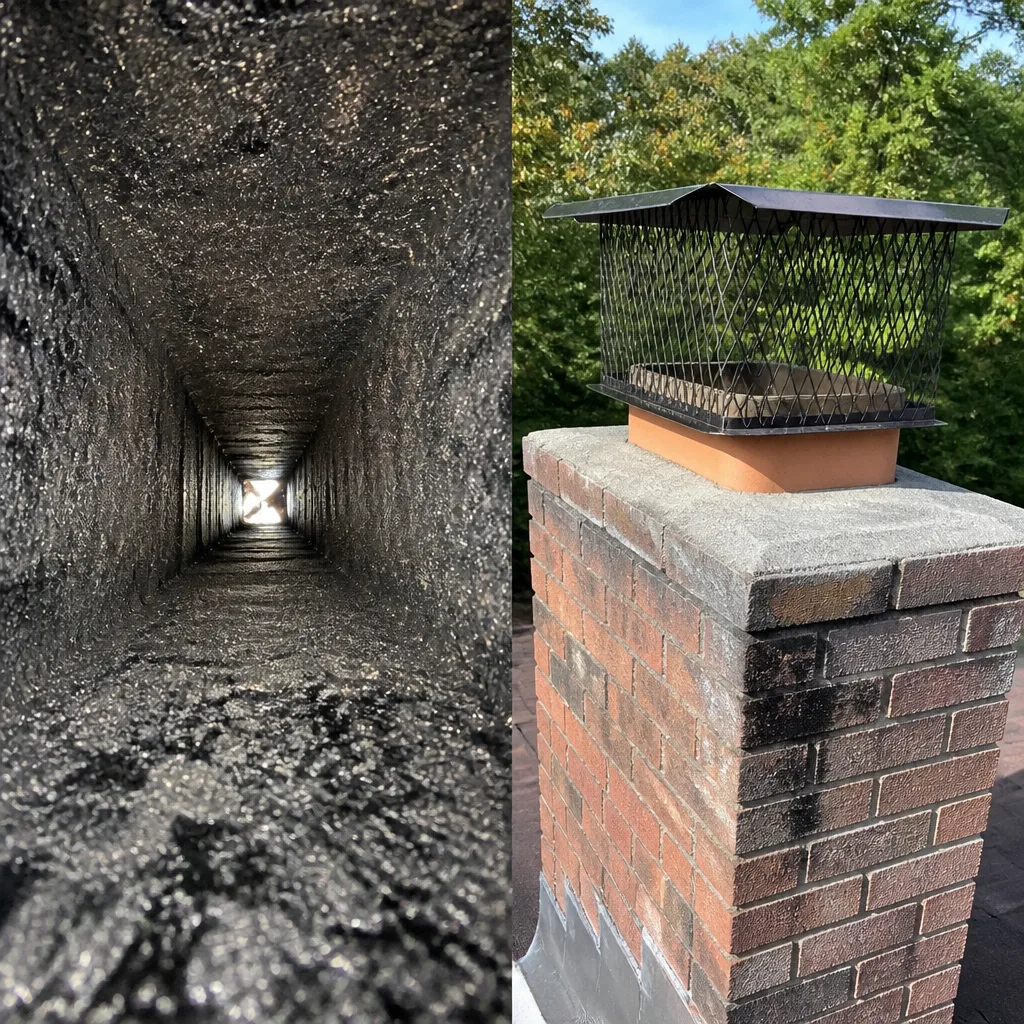 Sweep & inspection
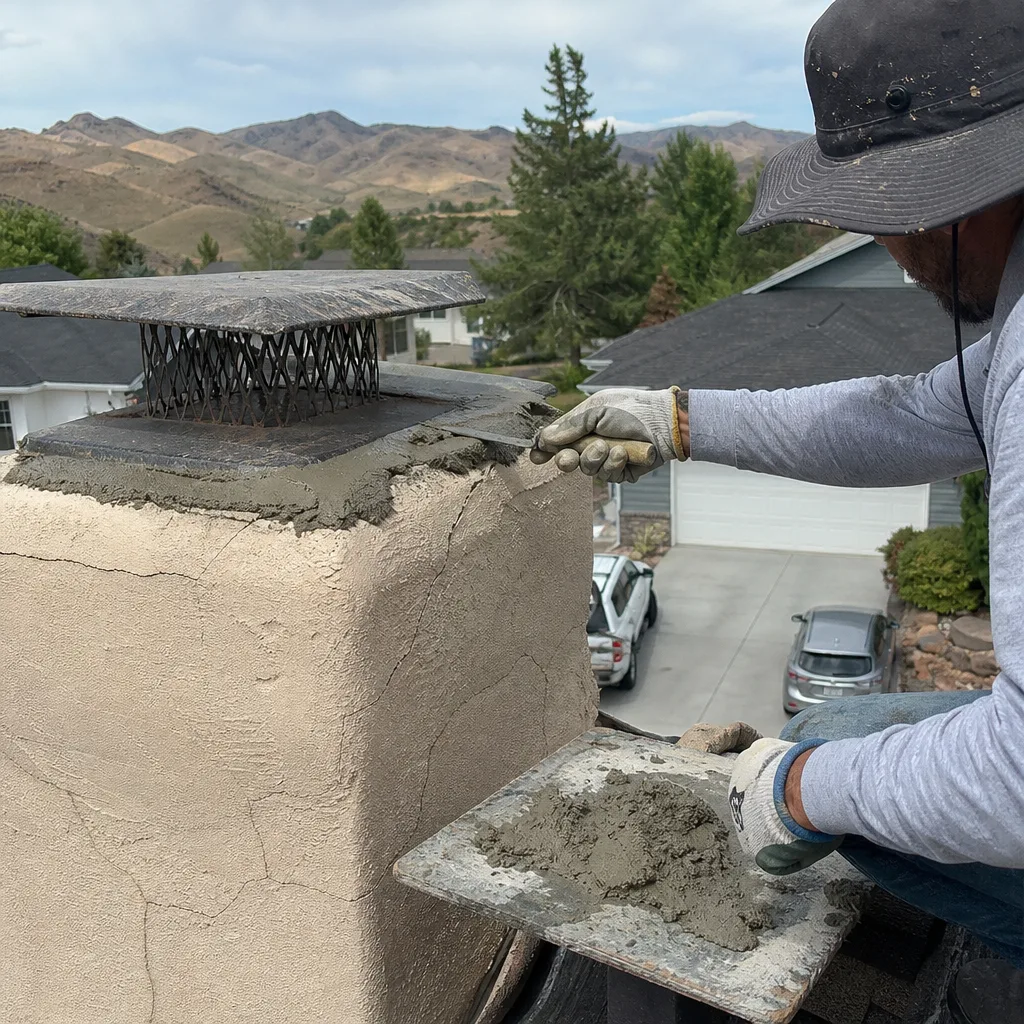
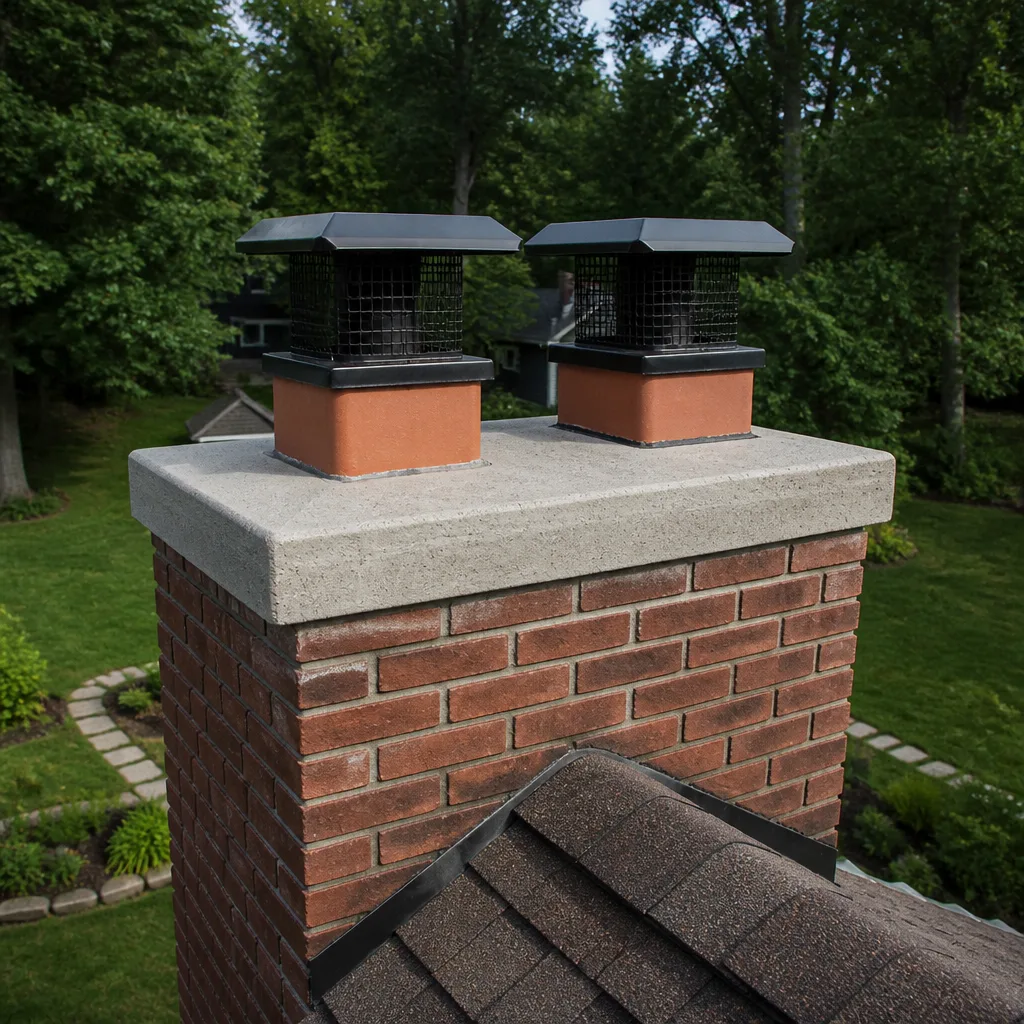 Caps & crowns
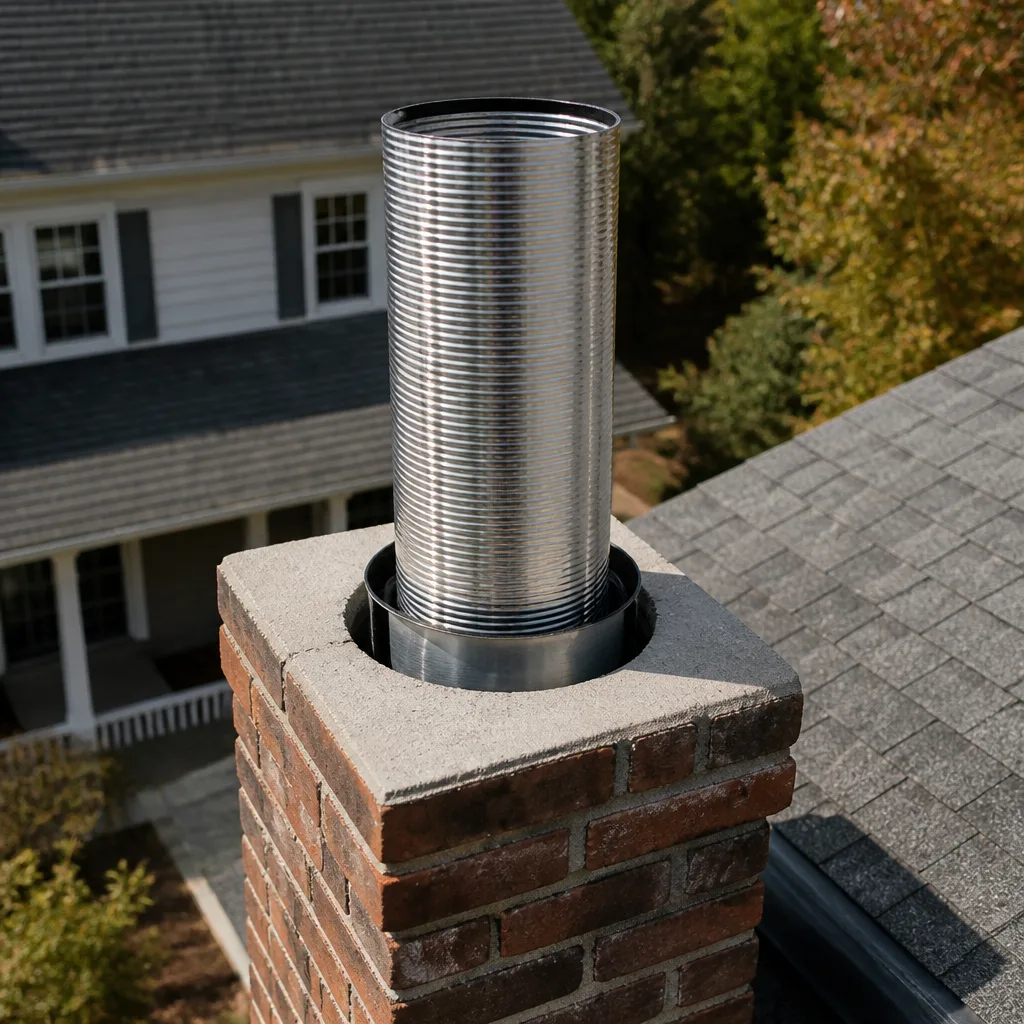 Flue relining
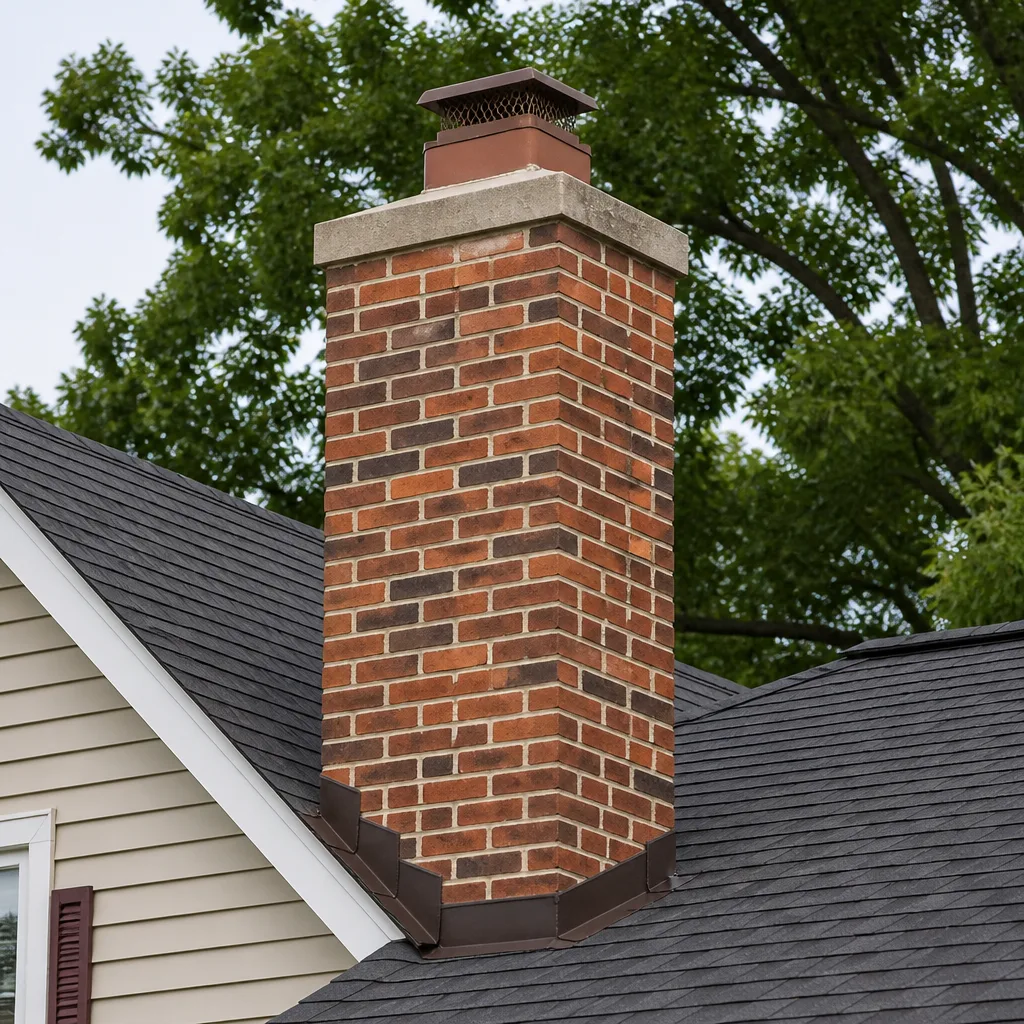 Masonry repair
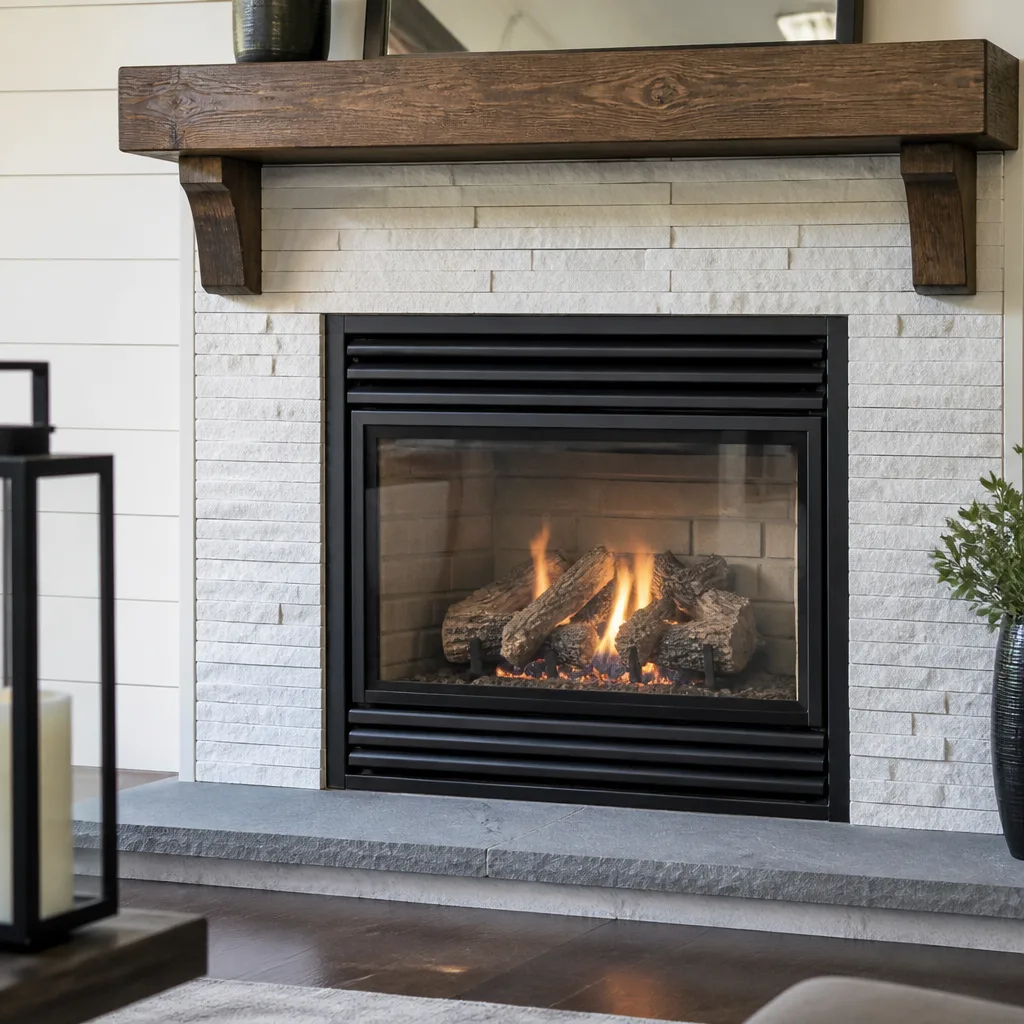 Gas fireplace service
Level 1 sweep and inspection to the NFPA 211 annual standard - flue, crown, cap, and flashing checked and photographed
Chimney sweep logs do not sweep chimneys. They loosen some creosote - which then falls where a brush and vacuum still have to collect it.
How to Hire a Chimney Cleaning Contractor in Paradise: A Step-by-Step Guide
Most homeowners assume a chimney sweep must hold some kind of state license, the way an electrician or a plumber does. In Nevada, that assumption is wrong. There is no state-issued chimney sweep license, which means anyone with a brush and a van can legally advertise chimney cleaning in Paradise. Your vetting process is the only quality filter that exists. This guide walks through that process the way a working technician would: what Nevada licensing actually covers, the exact questions that separate a trained sweep from a generalist, the red flags specific to the Las Vegas Valley market, and how to read an estimate so you know what’s missing as well as what’s included.
Styles & brands we work with
- Sweep & inspection
- Caps & crowns
- Flue relining
- Masonry repair
- Gas fireplace service
Quick Answer
To hire a chimney cleaning contractor in Paradise, confirm what the business actually does (sweeping, dryer vent cleaning, and repair, not odd jobs), ask specifically about flue sizing and creosote classification to test real technical knowledge, verify insurance and any third-party certification before booking, and insist on a written estimate with line items you can read. In our corner of Nevada, where no state chimney license exists, those four checks do more to protect you than any review score.
Table of Contents
- What Nevada Licensing Covers (and What It Doesn’t)
- The Questions That Reveal a Real Technician
- Red Flags in the Paradise Market
- How to Read a Written Estimate
- Insurance and Liability: Why It Matters After the Job
- Why Materials Matter More Than Price
- Your 7-Step Vetting Checklist
- Common Mistakes to Avoid
- When to Call a Professional
- Frequently Asked Questions
- The Bottom Line
What Nevada Licensing Covers (and What It Doesn’t)
Nevada licenses contractors by classification, and chimney sweeping does not fall neatly into any of them. A general contractor’s license may cover structural chimney repair work, but it says nothing about whether the person sweeping your flue understands liner types or can identify third-degree creosote. That regulatory gap is why third-party certification matters so much here.
The CSIA (Chimney Safety Institute of America) certification is a voluntary credential, not a state requirement. It requires passing an exam on venting, code, and combustion theory, plus continuing education to maintain it. A CSIA-certified sweep has demonstrated knowledge the state never asked them to prove. When you hire in Paradise, the question isn’t “are you licensed?” (almost anyone doing a basic sweep can answer yes or dodge it). The question is “what certification do you hold, and can you show it?”
Some useful realities about the local market:
- No Nevada state license is issued specifically for chimney sweeping. Certification is the closest thing to a guarantee of training.
- Structural chimney repair may fall under contractor licensing rules. Ask any repair-focused company how their work is covered.
- Certifications should be current, not expired. A lapsed credential tells you the technician stopped investing in training.
- Membership in a professional chimney association is a good secondary signal, though not a substitute for certification.
You can read more about how we approach Chimney Sweep Paradise services and what credentials we direct customers to confirm on request.
The Questions That Reveal a Real Technician
Generic prompts like “are you insured?” get generic answers. The questions that actually separate a trained sweep from a handyman with a brush probe whether the technician understands the mechanics of what they’re working on. Ask these before you book, and listen to how comfortable the answer sounds.
- “How do you determine the correct flue size for my appliance?” A trained sweep will talk about appliance input, flue cross-section, and the ratio between them. A dodge to “we just sweep it” is a signal.
- “What type of liner is in my chimney, or will you find out?” A real technician will want to inspect before assuming. Our technicians work with DuraFlex liner systems, and they know the difference between a factory liner and a masonry flue.
- “How do you classify creosote, and what stage is too dangerous to sweep normally?” The answer should reference the difference between soot, flaky creosote, and glazed third-degree creosote. If the technician hasn’t heard the term glazed, that’s your answer.
- “What’s included in the written report?” Look for a camera inspection and photo documentation, not a verbal “looks fine.”
- “Will you clean the firebox, smoke shelf, and damper area, or just the flue?” A thorough sweep covers the full system. This question exposes shortcuts.
- “Do you do dryer vents as well?” A specialist who handles both understands that dryer vent cleaning addresses a fire risk as real as creosote buildup.
- “Can I see a sample report from a past job?” Real technicians keep documentation. If they can’t produce a sample, the report doesn’t exist.
Notice that none of these ask about price. Price comes after you know the person is qualified. The Paradise homeowner who leads with “how much” and skips these questions is the one most exposed to the bait-and-switch operators covered next.
Red Flags in the Paradise Market
The desert Southwest has a seasonal chimney trade. Homes burn wood in cooler months, chimney work gets scheduled, and then a set of temporary operators appear. Recognizing them saves you a lot of hassle.
- Seasonal pop-up operators. A company that shows up in the fall with no fixed address, no website, no certification and a phone number active for a few months is a bad bet. If something fails after the job, there’s nobody to call.
- Door-to-door solicitation. A legitimate sweep doesn’t need to knock. Unsolicited visits often come with a hard pitch and a “found something dangerous” opening that tends to expand into expensive work.
- Bait-and-switch inspection pricing. A very low quoted price that turns into a dramatically higher number once “inspection” reveals hidden danger is a common tactic. The tell is pressure to authorize repair work before you’ve seen any evidence.
- Verbal-only estimates. If the price isn’t in writing with line items, it isn’t a price. It’s an opening offer.
- No camera, no photos. Modern sweeps use cameras. A company that won’t show you what it found is asking for blind trust on a safety-critical system.
- One-dimensional contractors. Someone who only sweeps but recommends major liner replacement is not the specialist you want diagnosing that replacement. We’ve seen this confusion cause real friction, which is why we offer sweep, vent, and repair together.
If you’re new to the area, you can read more about our Paradise work and the kinds of jobs typical in the local climate: dry, hot summers, cooler burning-season months, and homes where gas fireplaces sit alongside wood-burning ones.
How to Read a Written Estimate
A written estimate is a diagnostic document. What’s in it tells you what the contractor plans to do. What’s missing tells you what they’d rather skip.
Every chimney sweep estimate should include:
- Date, address, and a description of the job.
- Scope: what will be swept (flue, firebox, smoke shelf, damper area) and how access will be handled.
- Inspection method: camera inspection and photo report should be named if the job includes them.
- Materials: any liner, cap, or resurfacing work should name the product. We specify HeatShield for resurfacing, for example, because it’s a manufacturer-specified repair system, not a generic patch.
- Labor and total. Clear, itemized, with a stated final price.
- A note on what the contractor will do if they find damage during the job: pause, document, and re-quote. Not “we’ll handle it.”
An estimate that says “chimney sweep, $X” and nothing else is a tell that the job will be quick and shallow. A sweep that only touches the flue and leaves the smoke shelf and firebox untouched is not a full clean. Ask pointedly whether the whole system gets covered.
On cost: we don’t publish fixed prices because each job is priced per written estimate. Sweeping a straightforward flue differs from sweeping a flue with glazed creosote, and repair work is quoted separately. The estimate is free. The price is set by the written document, not the phone call.
Insurance and Liability: Why It Matters After the Job
If a sweep cracks a flue tile, dislodges a liner component, or leaves a chimney cap insecure that later blows off in a summer monsoon gust, the question of who’s responsible comes down to whether the contractor had liability coverage. This is where the Paradise market is worth a careful look.
A legitimate chimney contractor should carry general liability insurance, and you should be able to ask for a certificate of insurance before work begins. If the contractor won’t produce one, ask why. Coverage protects you from the cost of a repair they caused. It also filters out the operators who are essentially doing the work off the books.
Beyond coverage, ask:
- Will the technician be an employee or an independent contractor?
- Does the company have a written process if something is damaged during the job?
- Is their certification active, and are they trained in safety practices for working at height?
Some of this you’ll need to confirm by calling. We tell customers to ask us directly about credentials and insurance. We’d rather answer questions up front than disagree about responsibility later.
Why Materials Matter More Than Price
Chimney repair is one place where cutting corners on materials shows up years later. A generic patching compound applied to a deteriorating flue will crack and spall. A manufacturer-specified resurfacing system performs differently. The problem is you can’t always tell from the estimate which you’re getting.
When repair or liner work is on the table, name the materials:
- Liner systems should come from a recognized manufacturer. We install DuraFlex, and it’s the kind of product a trained sweep will recognize by name.
- Resurfacing should be HeatShield or an equivalent manufacturer-specific system. A generic patch isn’t equivalent, even when the price makes it look like a deal.
- Caps, dampers, and components should be named. We work with Famco and Copperfield, and other professional brands. If the estimate doesn’t say, ask.
These brands aren’t a sales pitch. They’re how you verify that a contractor is buying real components instead of the cheapest option that fits. That’s part of why we’re direct about what we work with.
Your 7-Step Vetting Checklist
Here’s the full process in order. Use it before you book any chimney cleaning contractor in Paradise.
- Confirm the scope of services. Ask whether the company handles sweeping, dryer vent cleaning, and repair. A full-service specialist doesn’t need to refer you out mid-job.
- Ask about certification. CSIA or another legitimate program. Ask for the name and expiration.
- Ask about insurance. Request a certificate of insurance. A real contractor will provide one.
- Ask the technical questions. Flue sizing, liner types, creosote classification. Listen for specific answers.
- Request a written estimate. Itemized, with named materials and a stated scope.
- Confirm the inspection method. Camera inspection and photo report should be included. If not, ask why.
- Ask what happens if they find a problem. The answer should be “we stop, document, and re-quote,” not “we handle it.”
Follow these steps and most of the risk goes away. Our chimney sweep service is built around this process, and if you call to ask about any of it, we’ll answer directly.
Common Mistakes to Avoid
- Booking on price alone. The lowest quote is also the one with the shortest scope. You’ll often pay for it twice, once for the cheap sweep and again for the real one.
- Accepting a verbal estimate. If it isn’t written, it isn’t the price. In the local market, verbal estimates are the vehicle for bait-and-switch pricing.
- Skipping the dryer vent. A lot of Paradise homes have a dryer vent in the same system as the chimney, and lint buildup in both is a fire hazard. Sweeping the chimney but not the vent leaves half the risk.
- Hiring a generalist for liner work. Liner replacement is specialty work. A handyman may be able to sweep, but flue sizing and liner specification are not general handyman skills.
- Ignoring the inspection report. If the contractor includes a camera report, read it. It’s your evidence trail if a problem develops later.
- Not asking about materials. A quote that says “new cap” without naming the brand isn’t a quote you can confirm. Ask for the manufacturer.
- Assuming the state license protects you. In Nevada, chimney sweep licensing is essentially voluntary. Your vetting is the actual safety net.
When to Call a Professional
Some signs are obvious, some aren’t. Call a professional if any of these are true: you smell a strong smoky odor in the house when the fireplace isn’t in use; you see visible creosote accumulation, dark staining, or flaking inside the firebox; your dryer takes noticeably longer to dry clothes than it used to; you hear a crack or shift in the chimney structure; or it’s been more than a year since your last sweep and you burn wood. Gas fireplaces and wood stoves also need periodic inspection even when they look clean. If you’re not sure, an inspection is cheaper than waiting. We offer free estimates in Paradise, and we’ll tell you whether the work is needed now or can safely wait: call (844) 314-6144.
Frequently Asked Questions
We don’t quote a fixed price because each job runs on its own written estimate, and the cost depends on the flue’s condition, access, and whether repair work is needed. The estimate itself is free. Call (844) 314-6144 for an exact quote. Estimates are free.
No. Nevada does not issue a specific license for chimney sweeping, which means anyone can legally advertise chimney cleaning. Third-party certification like CSIA and a verifiable insurance certificate are the strongest credentials available. Our technicians have up to 12 years of experience, and we’ll tell you what certifications we work with when you call.
Most homes that burn wood should be swept once a year, or more often if creosote builds up quickly. Gas appliances and wood stoves also need periodic inspection. Ask the technician to document what they find so you can compare across visits.
Not always. A liner is recommended when the existing flue is cracked, unfit for the appliance, or failing to contain combustion gases. We don’t recommend a liner without documentation of the problem, and we’ll tell you when it can wait. Call (844) 314-6144 if you want a second opinion before committing to liner work.
Skipping it raises fire risk from creosote buildup and lets structural problems go undetected. A chimney fire or carbon monoxide issue is the kind of problem that gets expensive fast, and both are preventable. A sweep is cheap protection compared to the repair bill that follows a chimney fire.
Yes. We offer dryer vent cleaning as a stand-alone or alongside chimney sweeping. The two risks are linked in most homes, and clearing both in one visit is simpler than booking separately. Call (844) 314-6144 to add it to your estimate.
The Bottom Line
In Paradise, the chimney sweep you hire is the only real quality filter between you and a system that can cause a house fire or a carbon monoxide problem. Nevada doesn’t license the trade, so the state won’t vet for you. Your process is the safeguard: confirm the scope, ask technical questions, verify insurance and certification, and demand a written estimate with named materials and a camera-based inspection. That approach protects your home and gives you clear recourse if something goes wrong. If you’d rather work with a specialist who will walk you through the whole process, call (844) 314-6144. We answer 24/7, with fast dispatch from 7am to 7pm.
Written by the team at Chimney Sweep Paradise.
See the difference
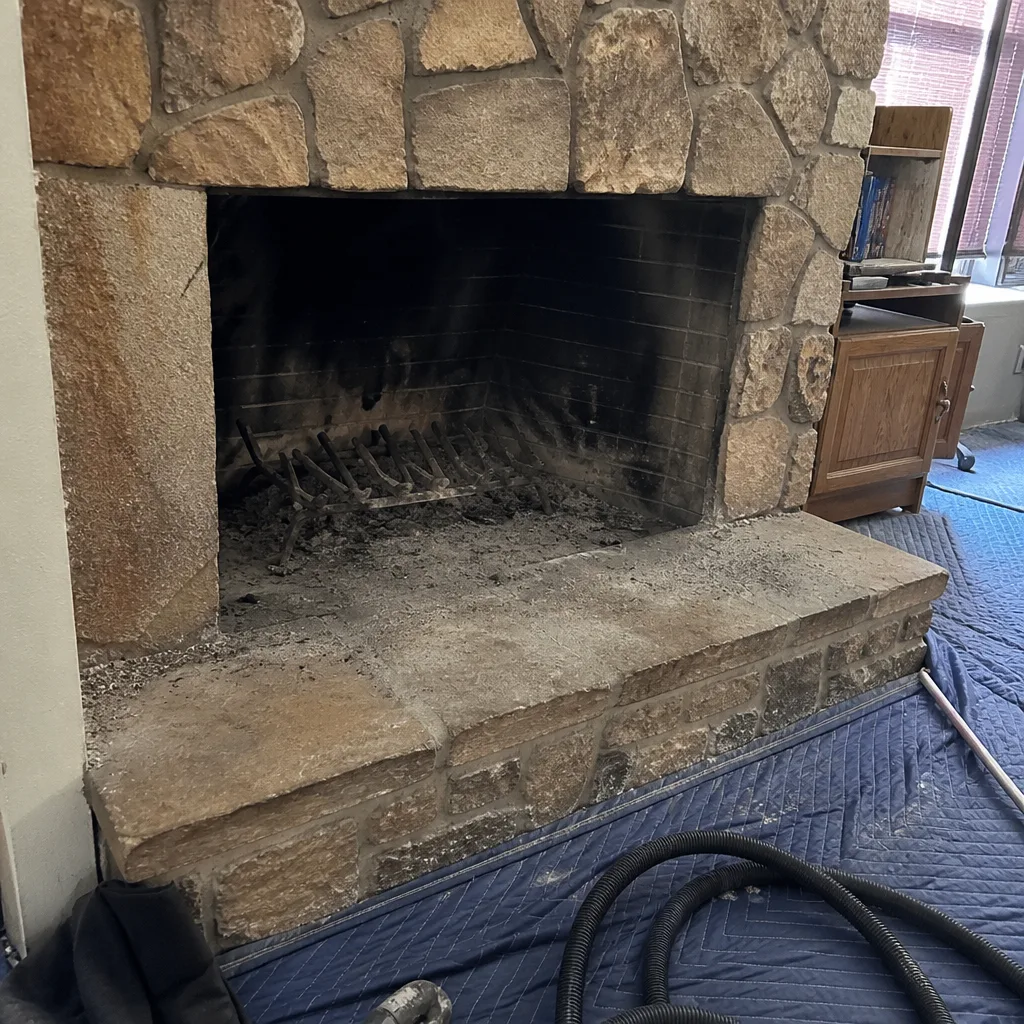 Before
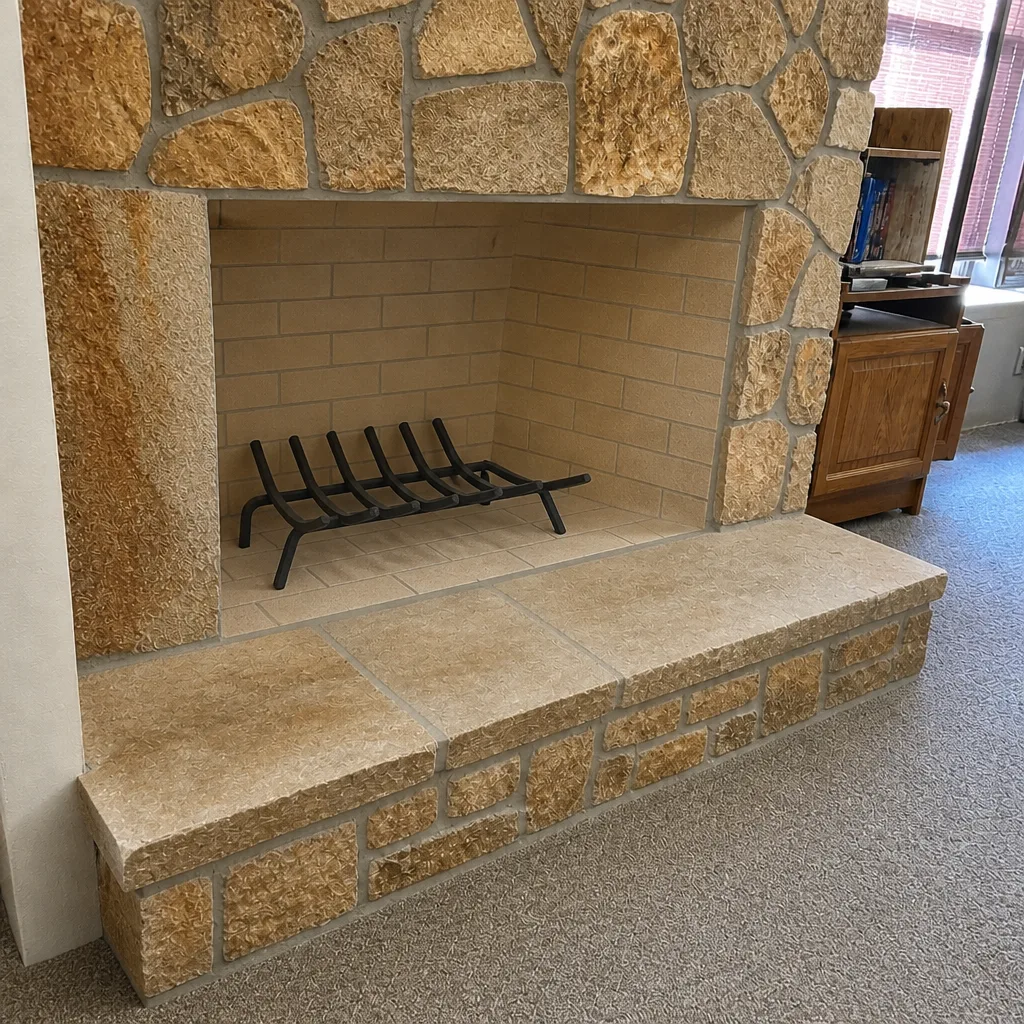 After
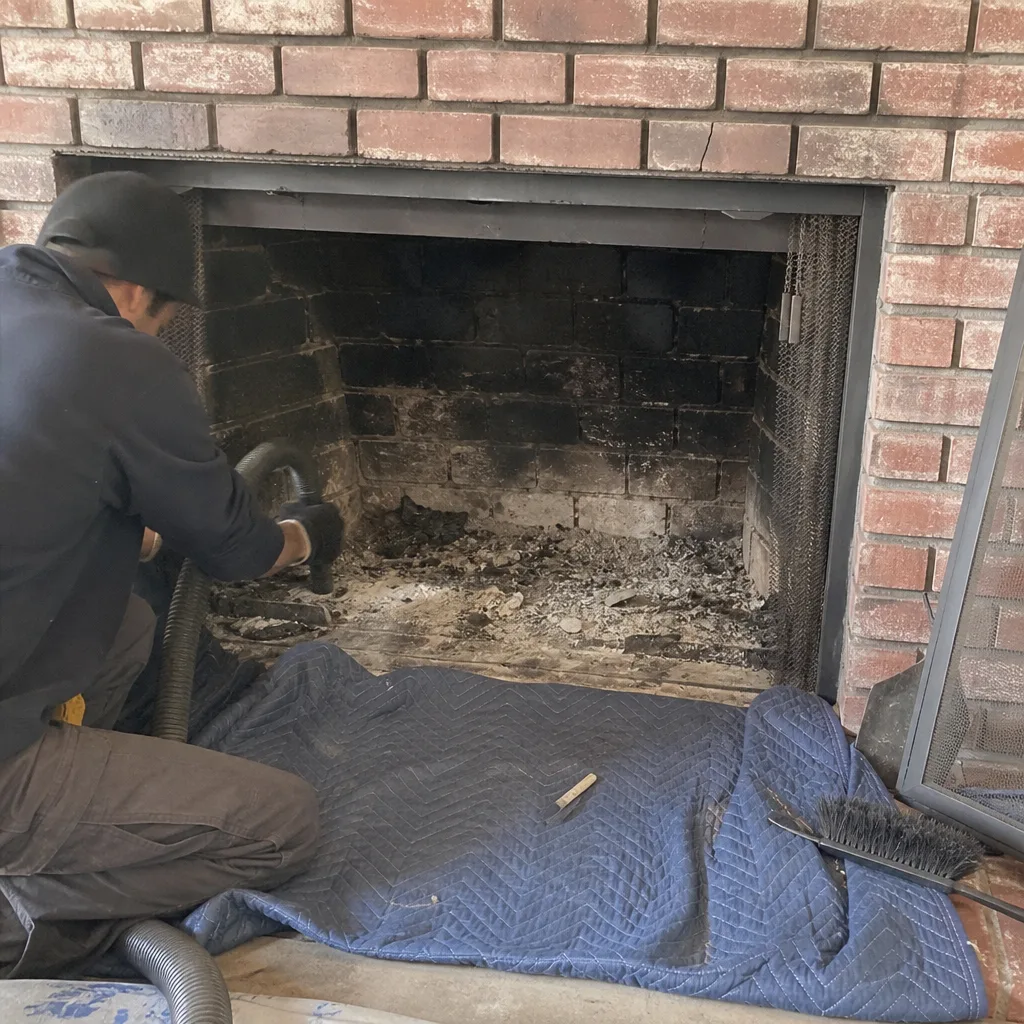 Before
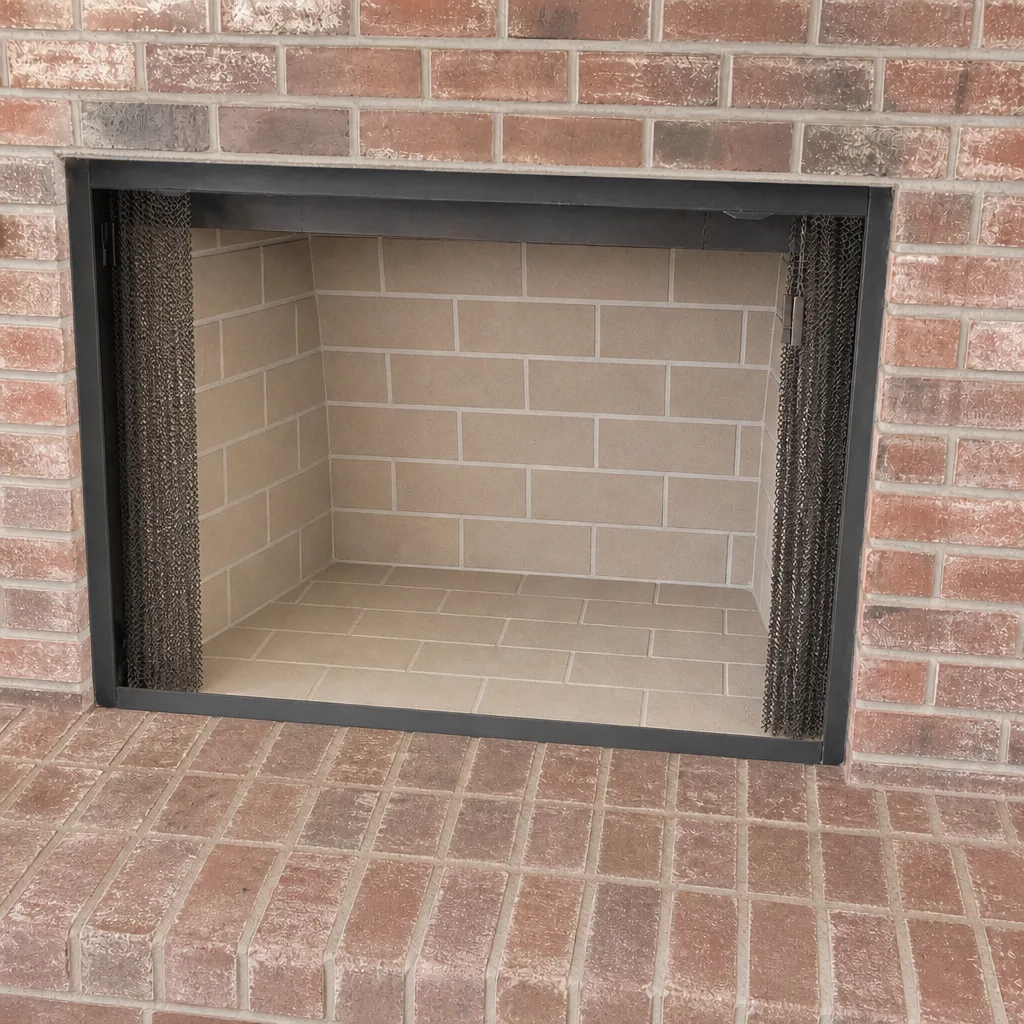 After
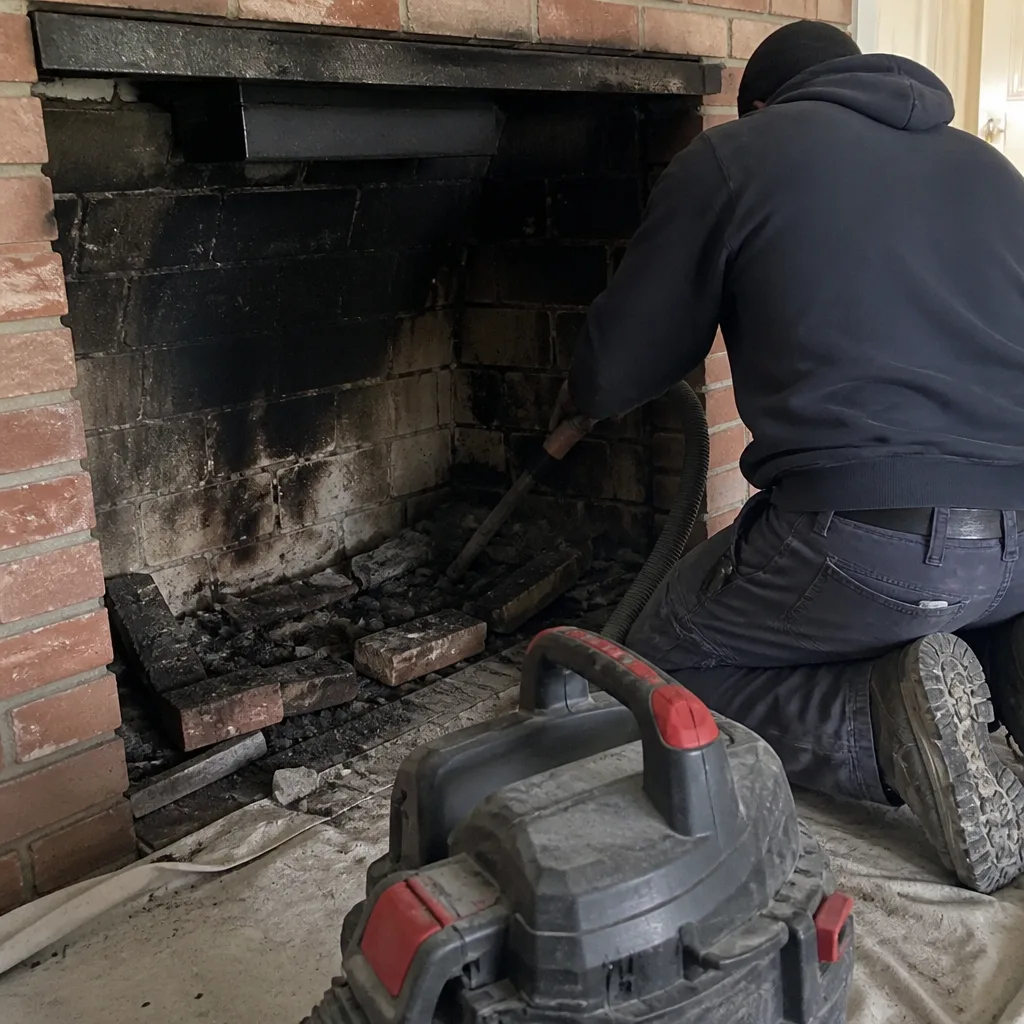 Before
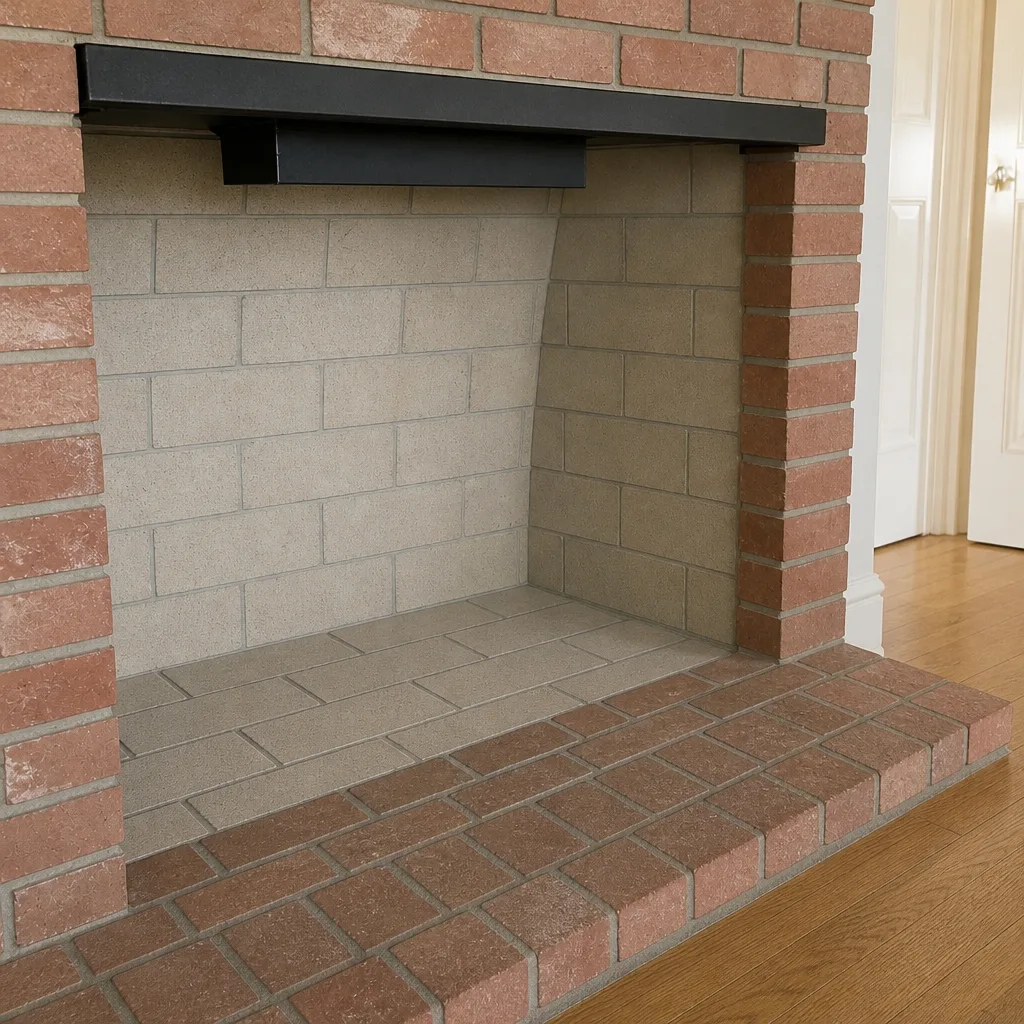 After