
Last updated November 15, 2026
 Sweep & inspection
 Caps & crowns
 Flue relining
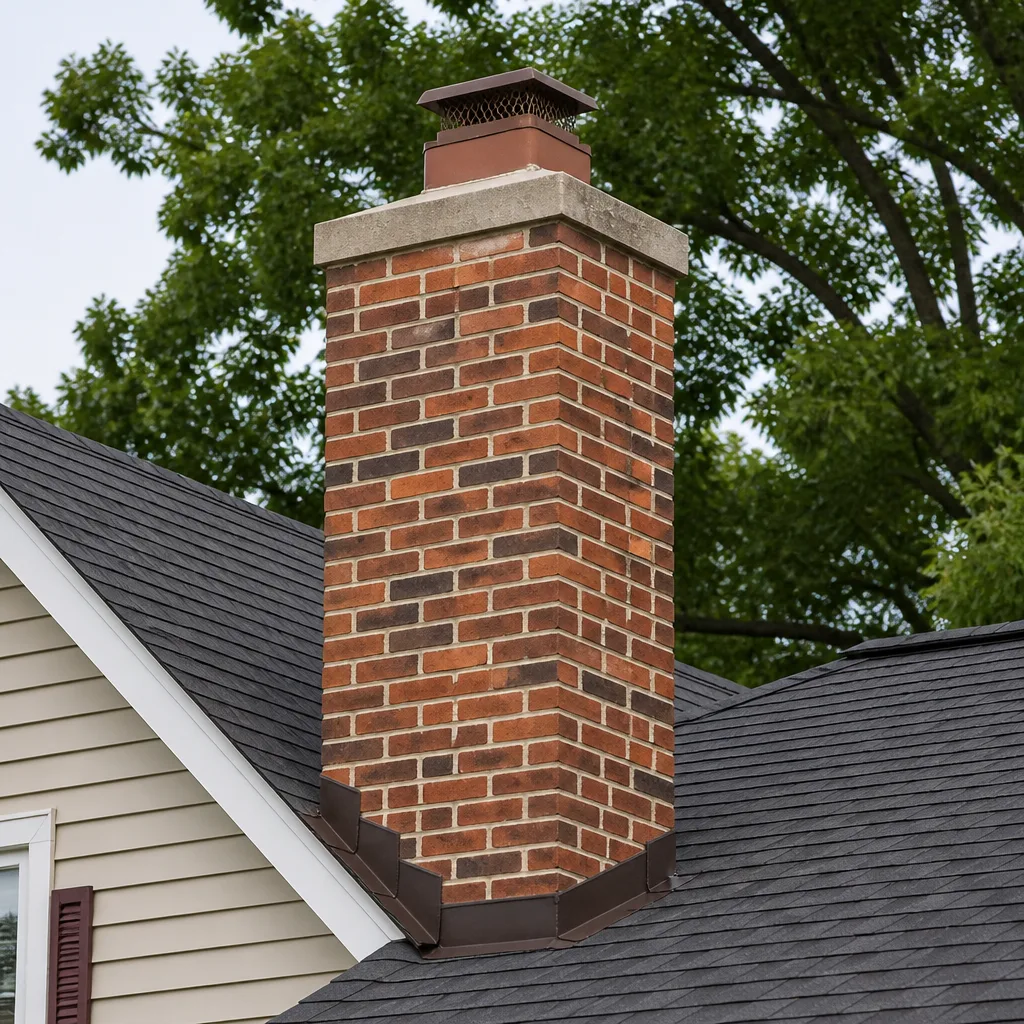 Masonry repair
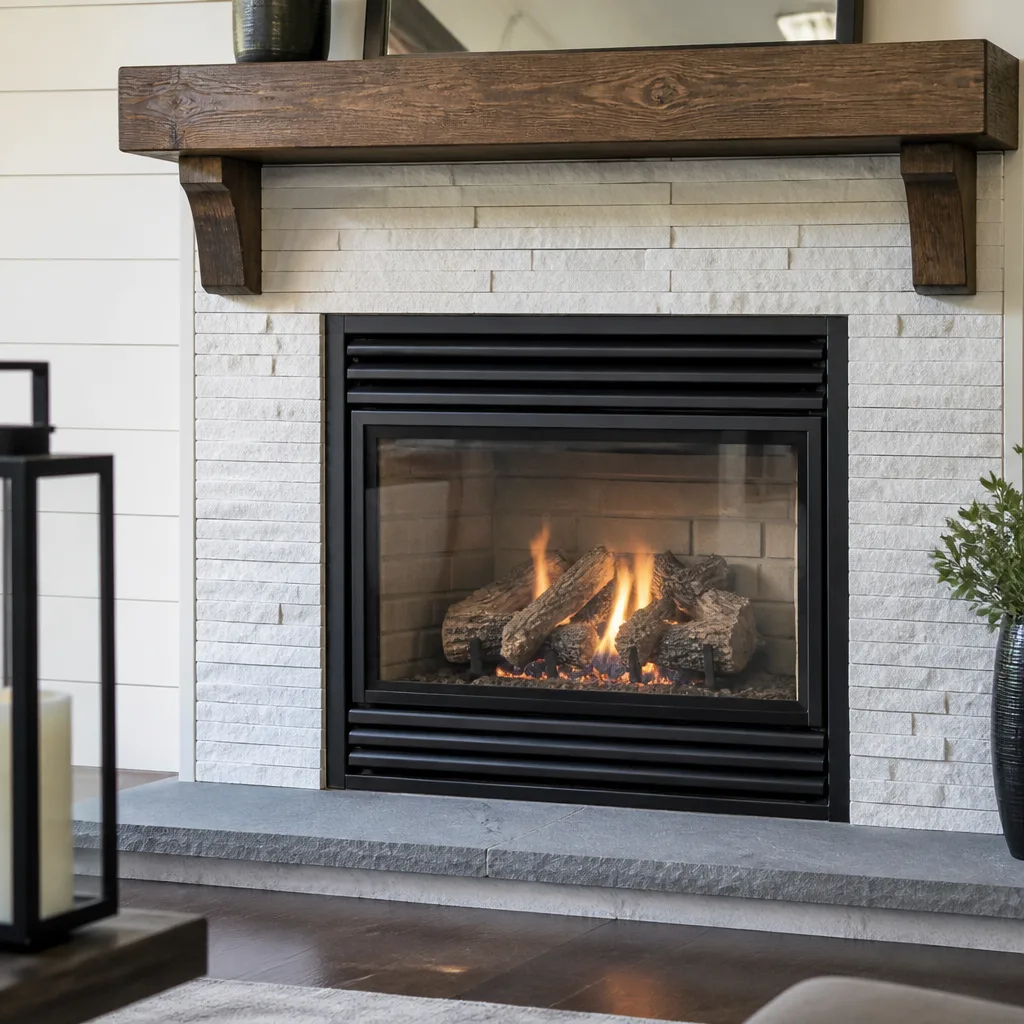 Gas fireplace service
Level 1 sweep and inspection to the NFPA 211 annual standard - flue, crown, cap, and flashing checked and photographed
Chimney sweep logs do not sweep chimneys. They loosen some creosote - which then falls where a brush and vacuum still have to collect it.
Chimney Sweep Maintenance Checklist for Paradise Homeowners
A checklist that tells you to “clean annually” without asking how many fires you burned last winter is a checklist built for someone else’s chimney. Paradise doesn’t share a climate with the places most chimney advice comes from. We get months of triple-digit heat, a monsoon season that drives rain sideways into caps and crowns, sharp overnight temperature swings in winter, and long stretches where the fireplace sits completely idle. Each of those conditions changes what your chimney needs and when. What follows is a maintenance checklist built around how chimneys actually behave in Southern Nevada, broken into what you can check yourself and what calls for a trained sweep.
Quick Answer
A Paradise chimney should be swept based on how much you burn, not just the calendar: roughly every cord of firewood, or once a year if you use the fireplace regularly in winter. Pre-season checks should focus on monsoon moisture intrusion, heat damage to mortar and the crown, and pest nesting in unused flues. Post-season, the priorities shift to sealing out summer heat and dust. Anything involving the flue interior, the crown, or gas appliances belongs with a professional inspection, not a DIY pass.
Styles & brands we work with
- Sweep & inspection
- Caps & crowns
- Flue relining
- Masonry repair
- Gas fireplace service
Table of Contents
- Usage-Based Triggers vs. Calendar-Based Triggers
- Pre-Season Checklist: Before the First Burn
- Post-Season Tasks for the Desert Off-Season
- Tiered Checklist: What You Can Check vs. What Needs a Sweep
- Your Dryer Vent Is a Chimney Too
- Tracking Maintenance History for Home Sales
- Common Mistakes to Avoid
- When to Call a Professional
Usage-Based Triggers vs. Calendar-Based Triggers
Most chimney advice says “sweep once a year.” That instruction assumes a climate where people burn steadily through a long heating season. In Paradise, usage varies wildly from house to house. One homeowner lights a fire a handful of times in December and January. Another runs a wood stove as real heat for weeks. Those two chimneys don’t need the same schedule, and treating them the same wastes money on one and leaves the other underserviced.
The more useful trigger is creosote accumulation, and creosote builds in proportion to how much wood you actually burn. A practical way to think about it:
- Light use (a few decorative fires per season) – an inspection every year, a sweep when the sweep finds enough buildup to warrant it.
- Regular use (fires most winter evenings) – a sweep roughly once a year.
- Heavy use (wood stove or fireplace as a primary heat source) – a sweep about every cord of wood burned, which can mean more than once a season.
- Gas appliances – still need an annual inspection for venting and carbon monoxide safety, even though there’s no creosote to sweep.
There’s a second trigger specific to this region: how you burn. Unseasoned or “green” wood and smoldering, low-air fires produce far more creosote than hot fires with dry, seasoned wood. A Paradise homeowner who burns hot and clean can stretch the interval a bit. One who damps the fire down and lets it smoke all evening should shorten it. When you schedule a chimney sweep, tell us how often you burn and roughly how much wood you go through. That single detail shapes the whole visit.
Pre-Season Checklist: Before the First Burn
Fall is when a Paradise chimney has had a full summer to accumulate problems. The desert heat, the monsoon rains, and months of disuse all leave their marks. This is the time to look things over before the first fire of the season, not after something smells wrong.
Here’s the pre-season order we recommend:
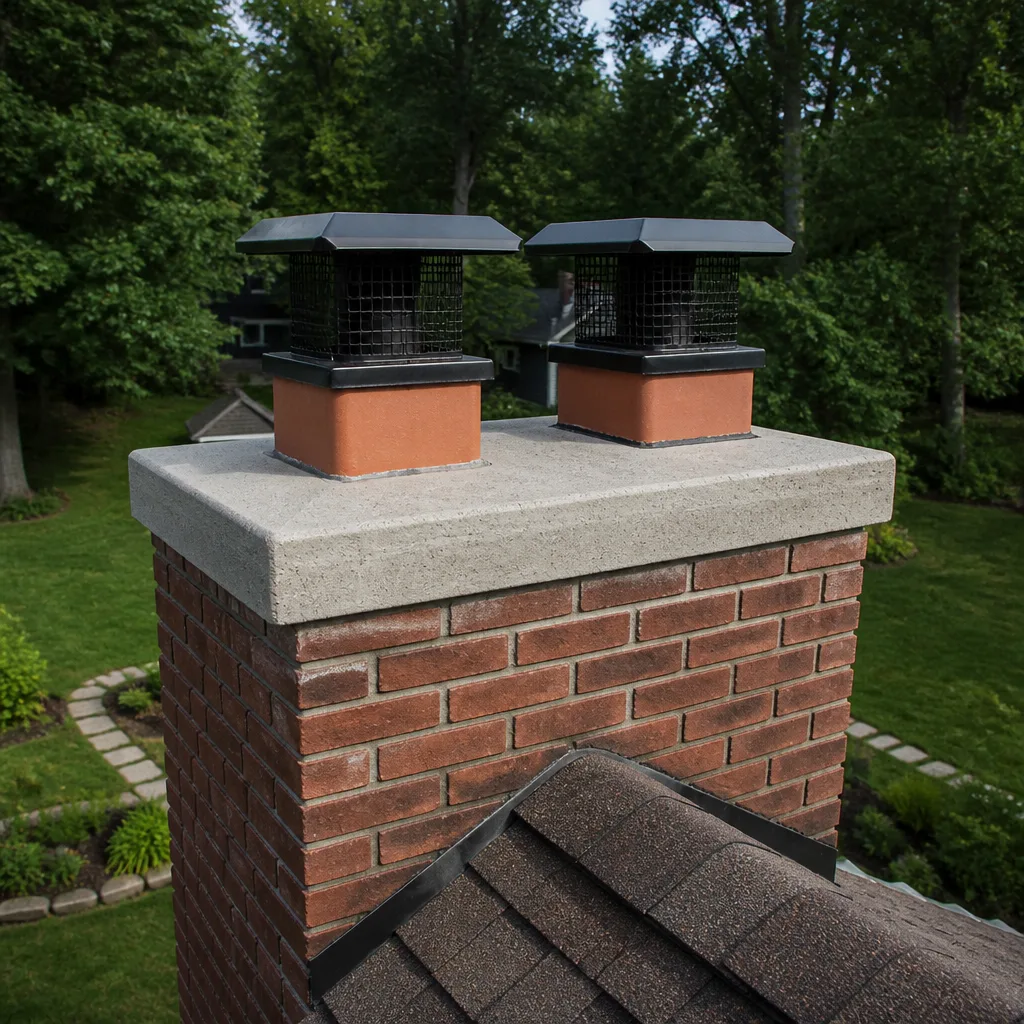
- Look at the cap and the crown. The cap keeps rain, birds, and debris out of the flue. The crown is the concrete surface on top of the chimney that sheds water away from the masonry. After a summer of heat cycling, both deserve a close look from the ground with binoculars or from a safe vantage point. A cracked crown or a loose cap is a monsoon leak waiting to happen.
- Check the firebox and damper. Open the damper and confirm it moves freely. Look for cracked firebrick or crumbling mortar in the firebox. Heat expansion over a Southern Nevada summer is hard on masonry joints.
- Inspect for pest nesting. Unused flues are prime real estate for birds and other animals looking for shelter. A flue blocked by a nest is a serious drafting and fire hazard. If you hear scratching or see debris, stop and call before you burn.
- Clear the firebox of summer debris. Dust, spider webs, and whatever the kids stored in front of the hearth all need to go before the first burn.
- Confirm the smoke and carbon monoxide detectors work. This isn’t chimney-specific, but it’s the check that matters most if anything else has been missed.
Monsoon moisture is the pre-season issue that surprises people moving here from wetter climates. Rain driven into a compromised cap or crown soaks into masonry, and then the dry heat pulls it back out. That wet-dry cycle is what cracks mortar and spalls brick over time. A pre-season inspection catches it while it’s still a small repair. For a closer look at what a full visit covers in the local market, see our Paradise service page.
Post-Season Tasks for the Desert Off-Season
The burn season in Paradise ends earlier than most chimney guides assume, and the months that follow are when a chimney deteriorates quietly. Winter’s temperature swings – warm days, cold nights – stress the same masonry joints that summer heat already worked on. The off-season tasks are about slowing that deterioration and keeping the chimney ready for the next season.
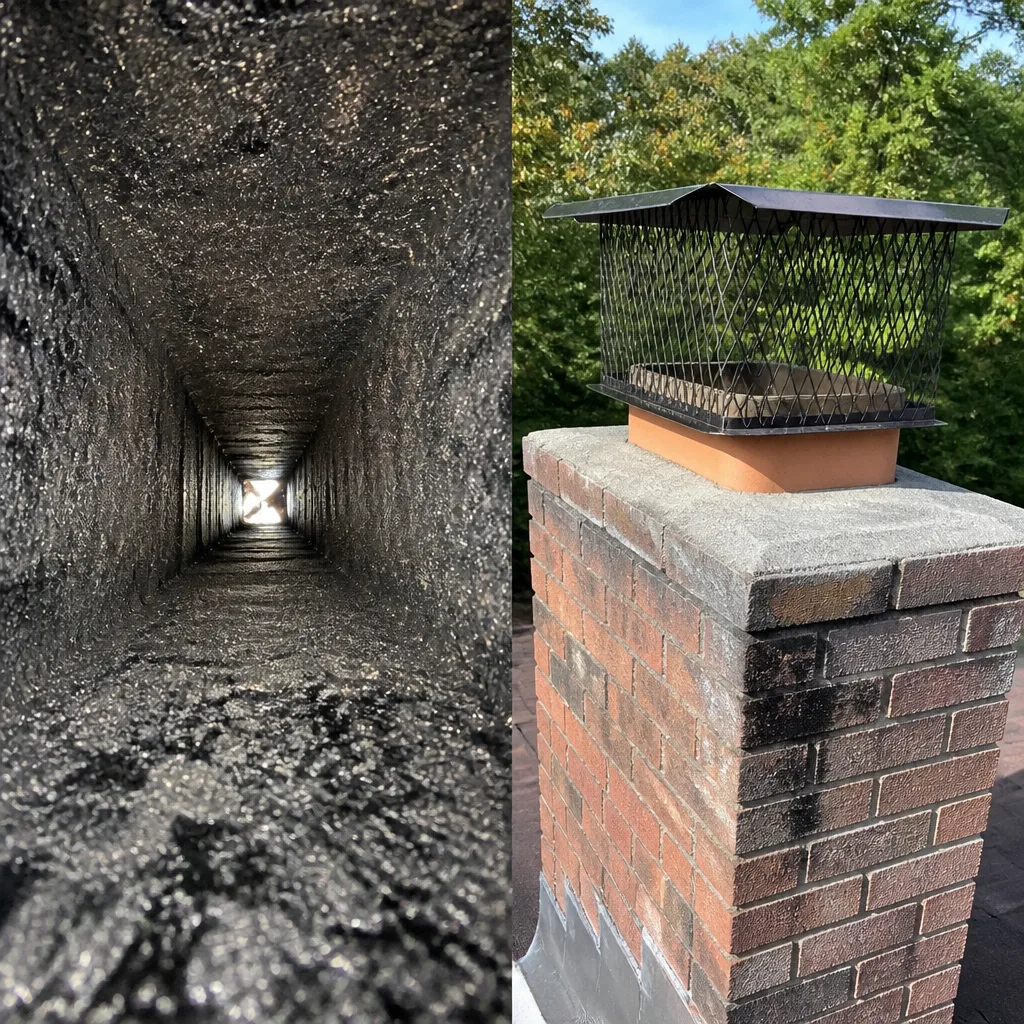
- Get the creosote out before summer. Creosote left sitting through a hot, dry summer hardens and becomes harder to remove. It’s also the fuel for a chimney fire. A sweep at the end of the season, not the start of the next one, keeps the flue clean through the idle months.
- Check the cap after the last monsoon. Late-summer storms can loosen or dislodge a cap. A missing cap invites pests and rain all winter.
- Seal out summer heat and dust. Close the damper fully when the fireplace is out of use. An open damper in a Paradise summer lets hot air and fine desert dust into the house and pushes your cooling costs up.
- Watch for efflorescence on exterior masonry. A white, chalky staining on the outside of the chimney is a sign moisture is moving through the masonry. It’s worth a professional look before it becomes a structural repair.
- Note anything that changed over the winter. Drafting that got worse, smoke that rolled into the room, a smell that lingered – write it down. Next fall’s inspection should start with those notes.
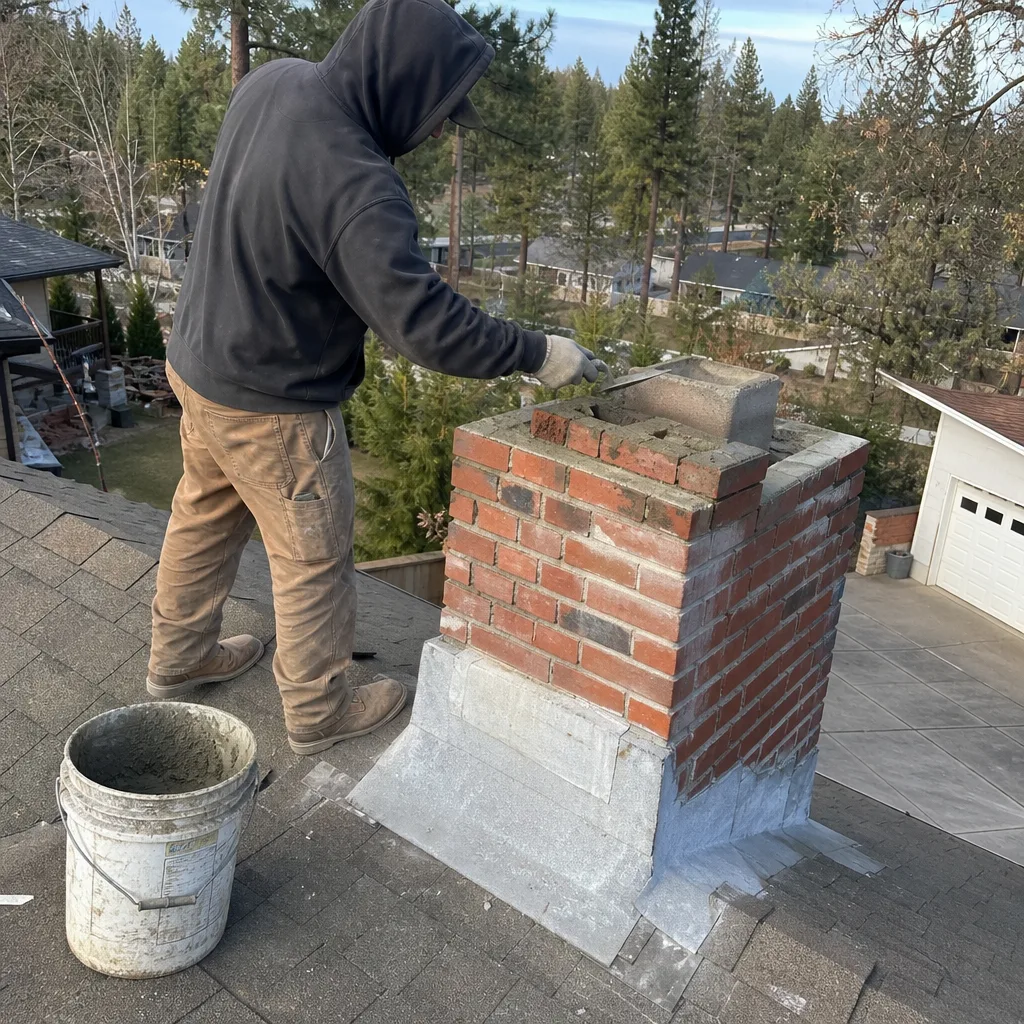
Fixing a small crown or mortar issue in the dry season is cheaper and simpler than dealing with a compromised chimney at the start of the next burn season. Structural repair, when it’s needed, is done with professional-grade materials rather than generic patching compounds, which matters most in a climate that stresses masonry from both directions. We use HeatShield, a chimney resurfacing system built specifically for restoring flue interiors, along with components from brands like Gelco and Olympia Chimney.
Tiered Checklist: What You Can Check vs. What Needs a Sweep
A useful maintenance checklist separates the things a careful homeowner can verify from the things that genuinely belong to a trained professional. Trying to do the second group yourself is where things go wrong. Here’s the split we’d draw.
What you can check yourself
- Cap present, intact, and sitting square on top of the chimney
- Crown visible from the ground, no obvious cracks or crumbing
- Damper opens and closes freely
- Firebox brick and mortar intact on a visual walk-through
- No nesting debris, animal activity, or blockage visible at the firebox
- Detectors working
- Creosote buildup noted on the firebox walls (a rough sense only)
What requires a professional
- Cleaning the flue interior to remove creosote
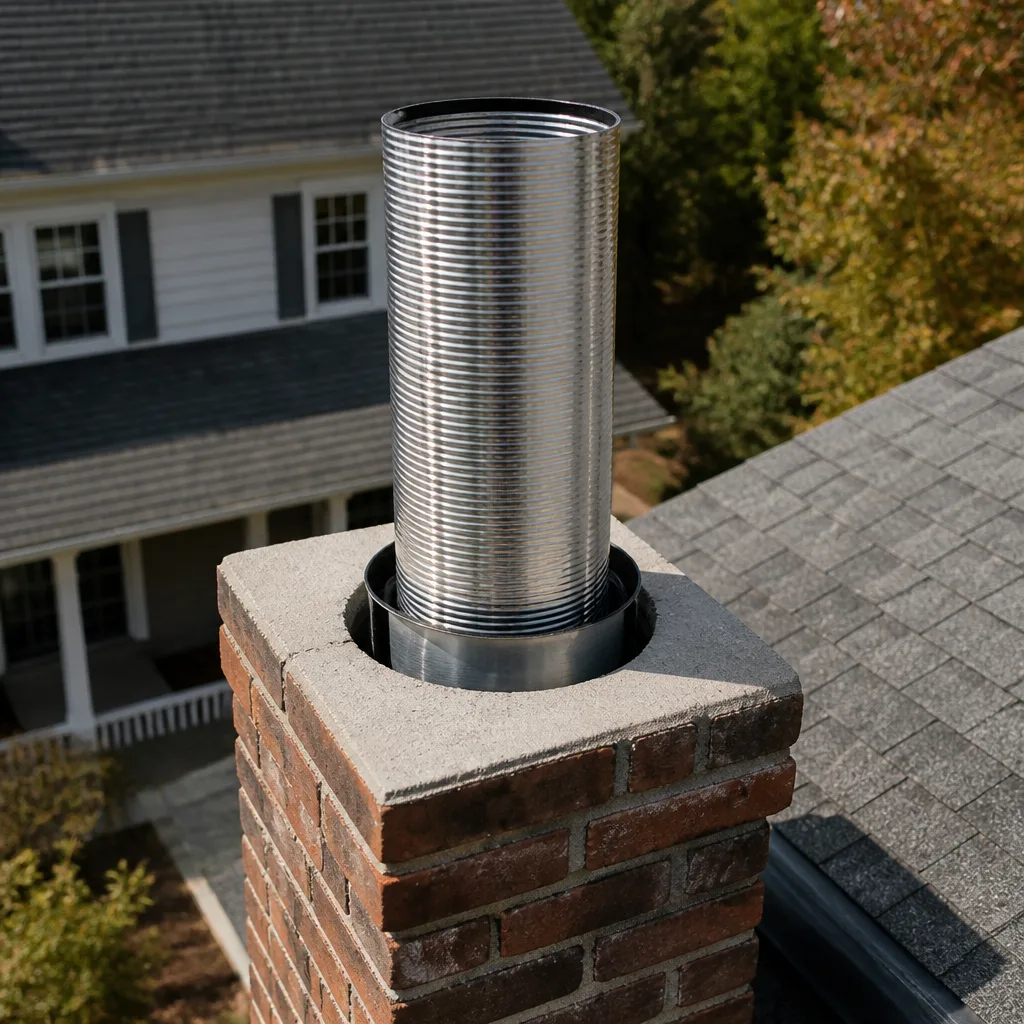
- Inspecting the flue for cracks, gaps, or a failed liner
- Diagnosing drafting or smoke problems
- Assessing crown, masonry, and structural condition
- Evaluating a gas appliance’s venting and carbon monoxide safety
- Any repair to the liner or the flue
The reason the professional tier matters isn’t just thoroughness. Chimney sweeps work with the right tools to clean the full length of a flue and the training to recognize a damaged liner through a camera. Safety is the reason to hand off: a failed liner or a creosote-loaded flue can turn a routine fire into a chimney fire or allow carbon monoxide into the home. Nobody should be running a brush down a flue they can’t see. A trained technician can tell you what’s actually going on, with evidence you can see on a camera inspection.
Your Dryer Vent Is a Chimney Too
The dryer vent belongs on the same maintenance checklist as the chimney, and most homeowners don’t think of it that way. It’s the other flue in the house that carries hot, lint-laden air out and away. When lint builds up inside the vent, it restricts airflow, and that’s the same mechanism that makes a dryer run hot and slow. The vent is a fire risk in a way a clogged HVAC filter never is.
Lint accumulation in a dryer vent is one of the leading causes of residential house fires, and the signs are easy to miss:
- Clothes taking noticeably longer to dry than they used to
- The dryer feeling hot to the touch on top or at the door
- A burning or musty smell during a cycle
- Visible lint around the outside vent flap
- A vent run that’s long, has multiple bends, or was never cleaned
Annual dryer vent cleaning is the parallel to an annual chimney sweep, and it’s the check people skip most often. A full vent clean restores airflow, cuts drying times, and removes the fuel load. In a Paradise home where the dryer runs hard through the hot months, that’s a straightforward safety measure. We handle both under one company, so a single visit can cover the chimney and the dryer vent without a separate contractor.
Tracking Maintenance History for Home Sales
In the Las Vegas metro market, buyers and their inspectors ask for chimney records during a home sale, and a homeowner with organized maintenance history has a smoother transaction than one with a shrug. Paradise homes are no exception. The fireplace and its venting are part of the property’s infrastructure, and disclosure requirements around defects and maintenance are real. When you can show that the chimney has been swept and inspected and repaired as needed, you answer the buyer’s inspector before the question lands.
A practical tracking system:
- Keep every service record in one place. A digital folder or a paper file is fine – just keep them together. Each record should name the date, the service, and what was found.
- Note the fuel type and usage. “Gas fireplace” or “wood-burning, used most winter evenings” is the context that makes the records mean something to the next owner.
- Keep repair invoices and product names. If a liner was replaced or a crown repaired, the receipt should say what was installed. That paper record is also what supports a warranty claim, if one applies.
- Record the inspection findings each time. What was the verdict on the liner, the crown, the masonry? Did the sweep say a repair could wait a season?
- Review the file at the start of each season. A five-minute look at last year’s notes tells you whether the following year’s inspection needs to focus on the same spot.
Underlying all of this is one idea: nothing is recommended without evidence the homeowner can see. If we tell you the liner needs work, we show you the camera footage. If a repair can safely wait a season, we say so. A maintenance record built on that principle is a record that survives an inspector’s questions.
Common Mistakes to Avoid
- Treating the calendar as the schedule. “Once a year” is a starting point, not a rule. How many fires you burned and what fuel you used matters more than the month. Ask a sweep to assess buildup, not to follow a habit.
- Skipping the check because the fireplace looks clean. The visible firebox tells you very little about the flue. A clogged or cracked flue behind a clean-looking firebox is a real hazard, and it’s the reason cameras exist.
- Ignoring the cap because it’s “just a piece of metal.” In Paradise, a missing or damaged cap is the front door for monsoon rain and pest nesting. A small cap repair prevents a big water-damage repair.
- Burning unseasoned wood to save money. Green wood smolders and produces far more creosote than dry, seasoned wood. Saving on firewood can mean spending it back on more frequent sweeps and repairs.
- Forgetting the dryer vent entirely. Lint buildup in the vent is one of the leading causes of residential house fires, and it’s easy to miss until clothes stop drying well. Add it to the same annual checklist as the chimney.
- Trusting a generalist with a chimney repair. A patching compound improvised onto a cracked crown or liner is not the same as a heat-rated, manufacturer-specified material. Ask what product is being used and why.
- Letting maintenance history go unrecorded. A homeowner who can hand over a file of service records at a Las Vegas metro home sale avoids the back-and-forth of a buyer’s inspector asking for proof.
When to Call a Professional
Some items on a chimney checklist can be done from the ground. Others genuinely need a trained sweep, and trying to handle them yourself is where a maintenance problem becomes a safety problem. Call a professional if you notice smoke rolling back into the room when you burn, a strong creosote smell from the firebox, visible cracking in the flue or across the crown, white efflorescence staining on exterior masonry, any animal activity or nest debris in the firebox, or a dryer that’s taking longer and longer to dry. Gas fireplaces should be checked annually even though there’s no wood to sweep, because venting and carbon monoxide safety still apply. Chimney Sweep Paradise offers free estimates in Paradise – call (844) 314-6144. Our technicians have up to 12 years of experience, and inspections come with camera evidence and a photo report so you can see exactly what we see.
Frequently Asked Questions
Sweep by usage, not just the calendar – roughly once a year if you burn regularly, about every cord of wood if the fireplace is a primary heat source, and yearly inspection for gas appliances even without wood. In a Paradise home with light decorative fires, the inspection might find the flue is fine for another season. Heavy or wood-stove use needs more frequent attention. Call (844) 314-6144 for an exact quote, and an inspection will tell you what your specific chimney needs.
Yes, because the local climate is. Most chimney guides are written for wet, cold climates with a long heating season. Paradise homes face extreme summer heat that stresses masonry, a monsoon season that drives rain into caps and crowns, sharp winter temperature swings, and long idle periods between fires. That changes the pre-season and post-season priorities and makes pest nesting and moisture intrusion the checks that matter most here.
Because a dryer vent is the other vent in your home that carries hot, lint-heavy air outside, and a lint-clogged vent is one of the leading causes of residential house fires. It’s a fire-hazard system in the same family as a chimney flue, so it belongs on the same annual checklist. If you notice longer dry times, a hot dryer top, or lint around the outside vent flap, it’s time for a clean.
A creosote smell from the firebox or flue usually means creosote has built up and is off-gassing, and in summer heat that smell can get strong even with no fire burning. It’s a sign the flue needs a thorough cleaning and inspection rather than a quick surface wipe. A sweep can clear the flue and confirm the liner is intact. Call (844) 314-6144 to book an inspection; we answer 24/7.
Yes, for two reasons. Unrecorded maintenance is easy to forget, and a written record keeps your schedule on track from one season to the next. It also pays off if you ever sell: buyers and inspectors in the Las Vegas metro market routinely ask for chimney service records during a home sale, and a clean file answers those questions without delay. Records also support any warranty on repair work.
It can be. A bird nest or other debris blocking the flue restricts airflow, which affects drafting and creates a fire hazard the first time you light a fire. In a Paradise home where the fireplace sits unused through summer, an open flue is exactly the kind of sheltered spot animals choose. A pre-season check for nesting is one of the most important items on the checklist, and a cap prevents it going forward.
See the difference
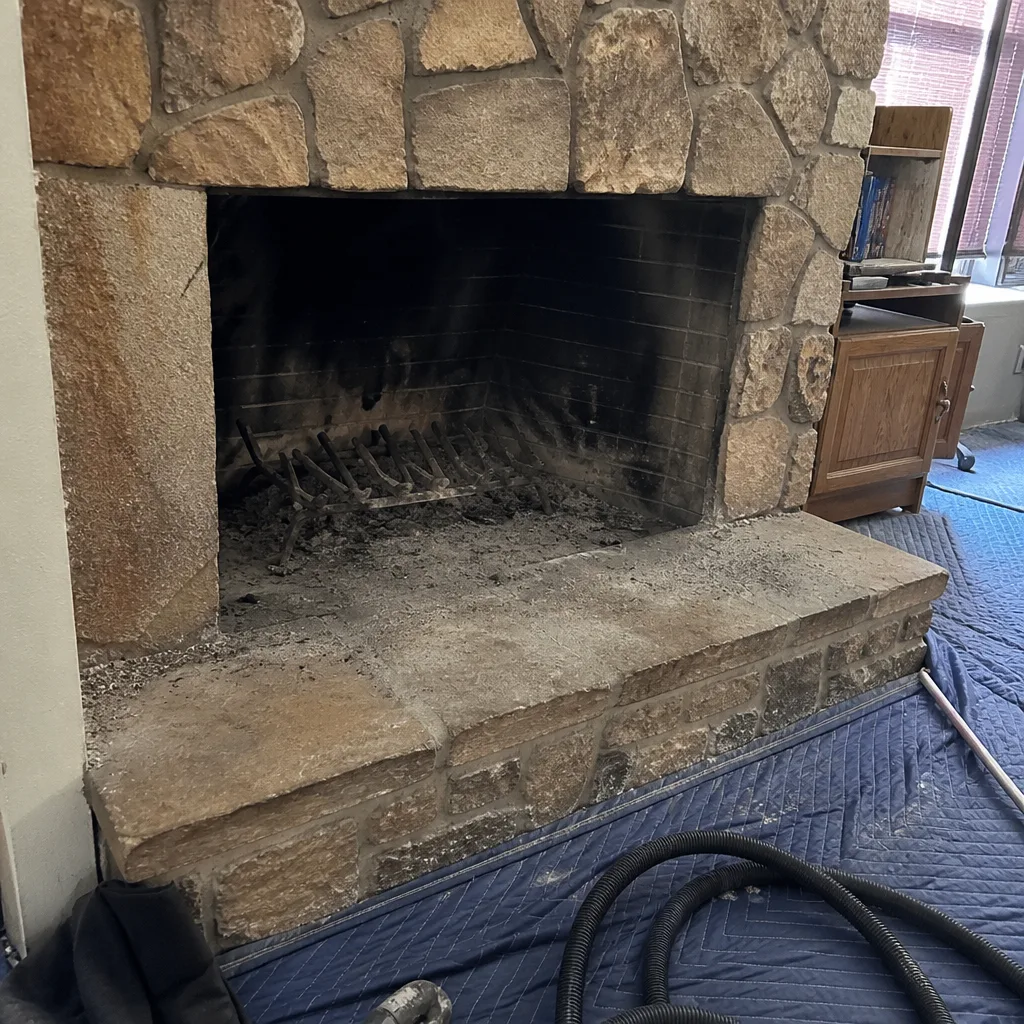 Before
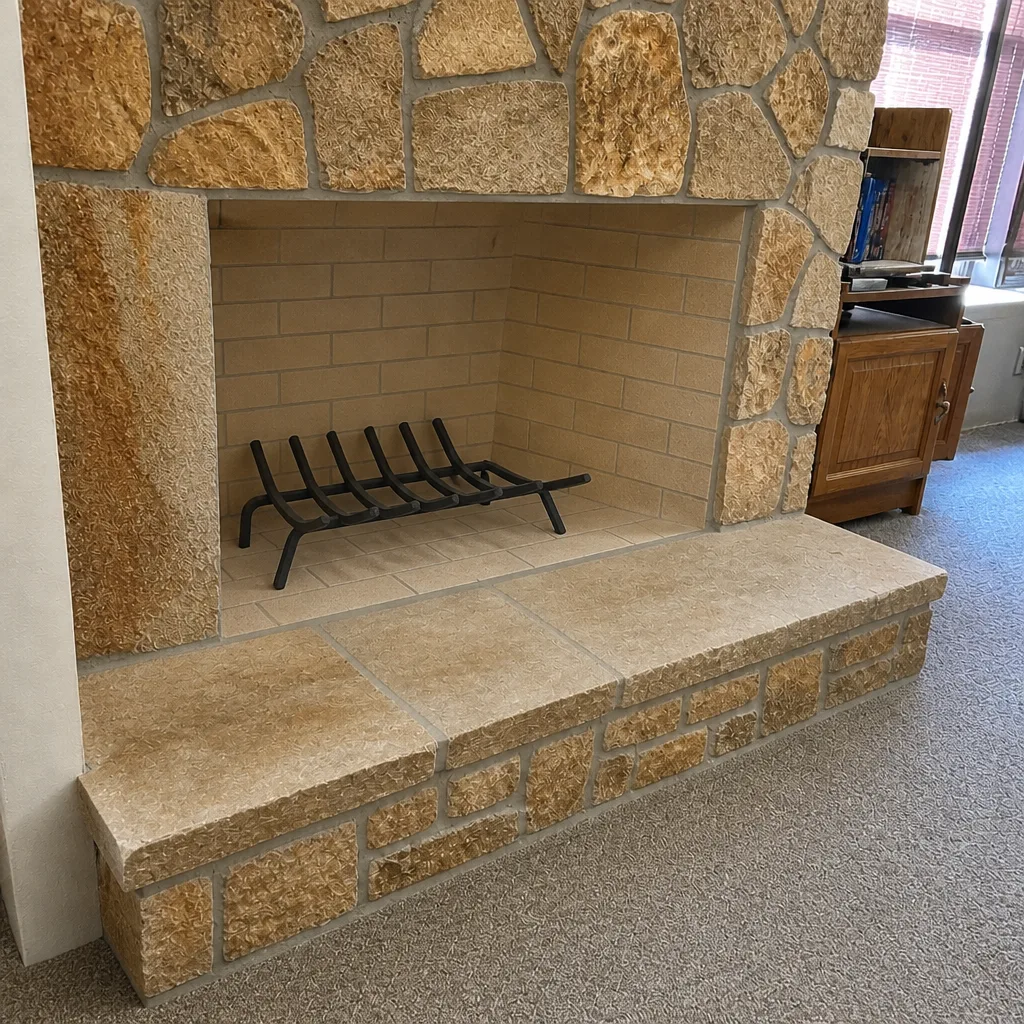 After
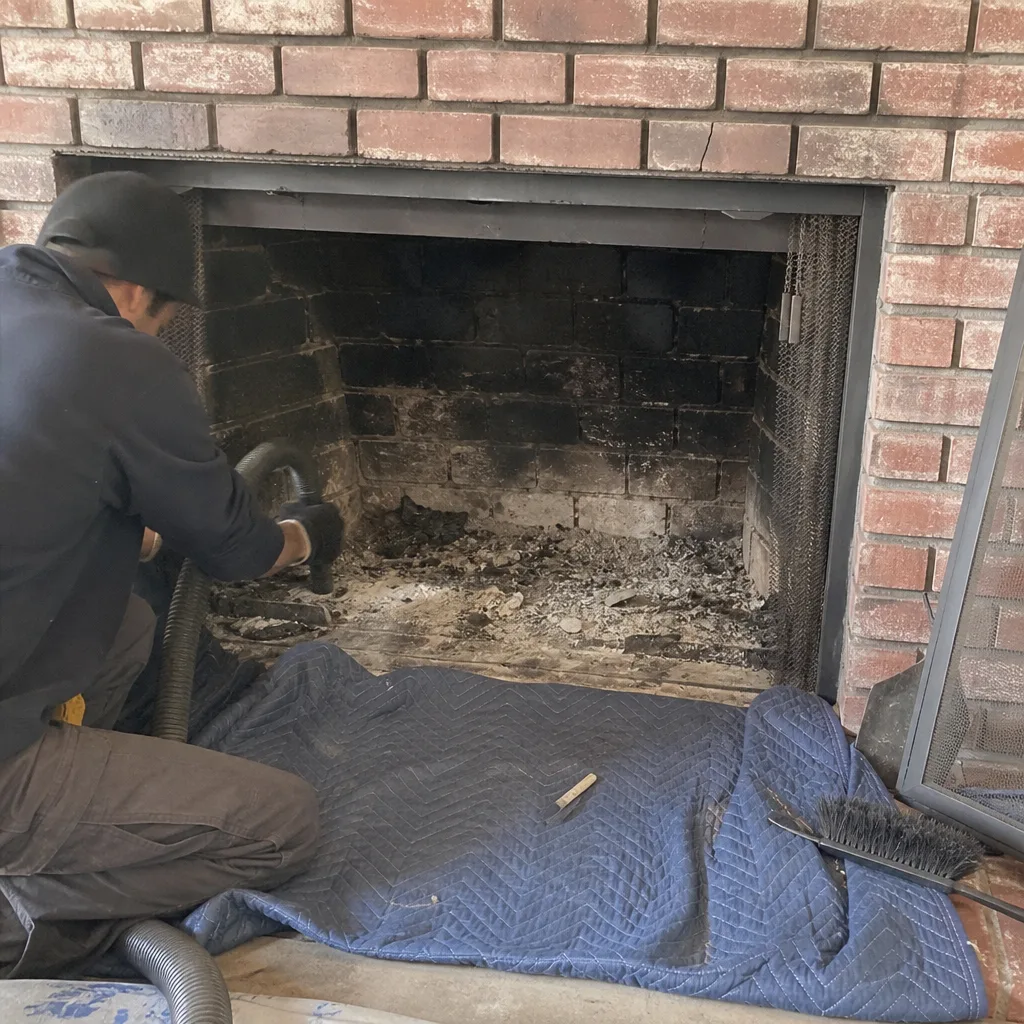 Before
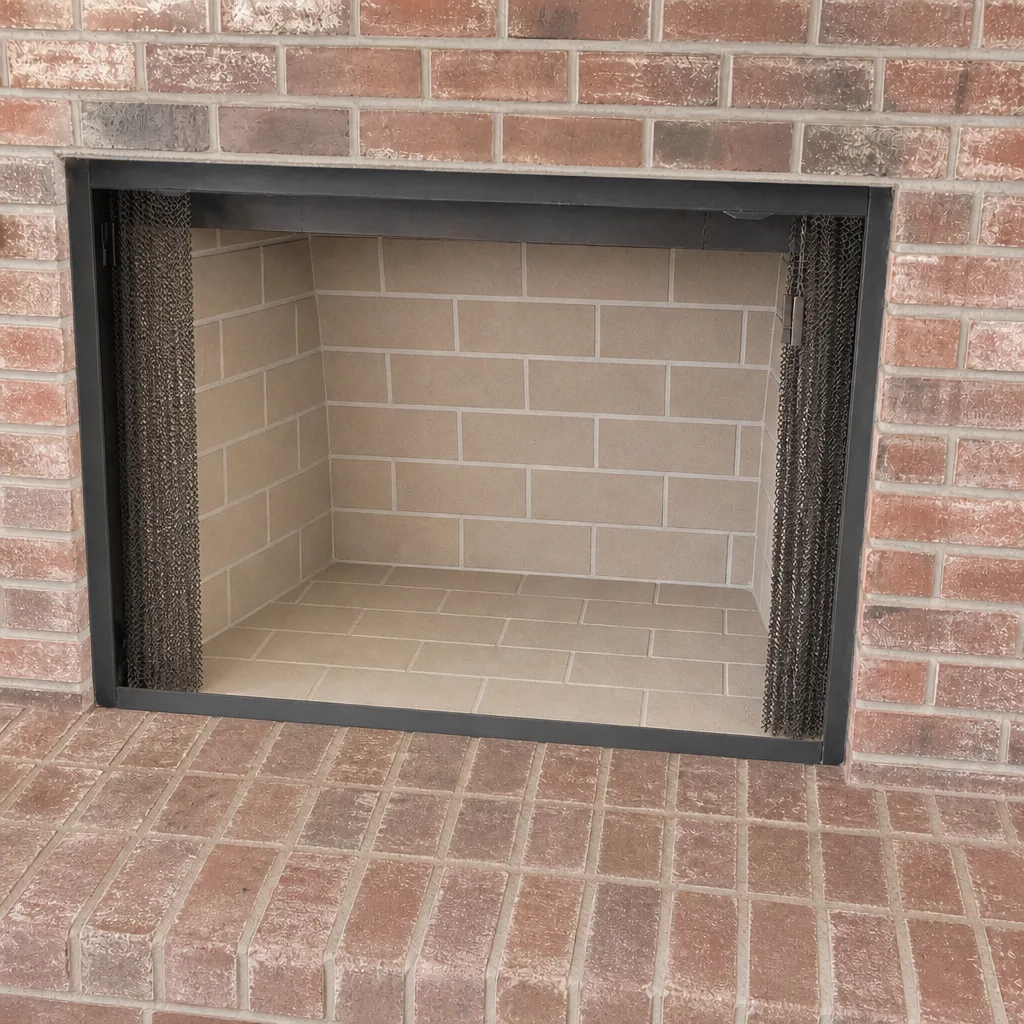 After
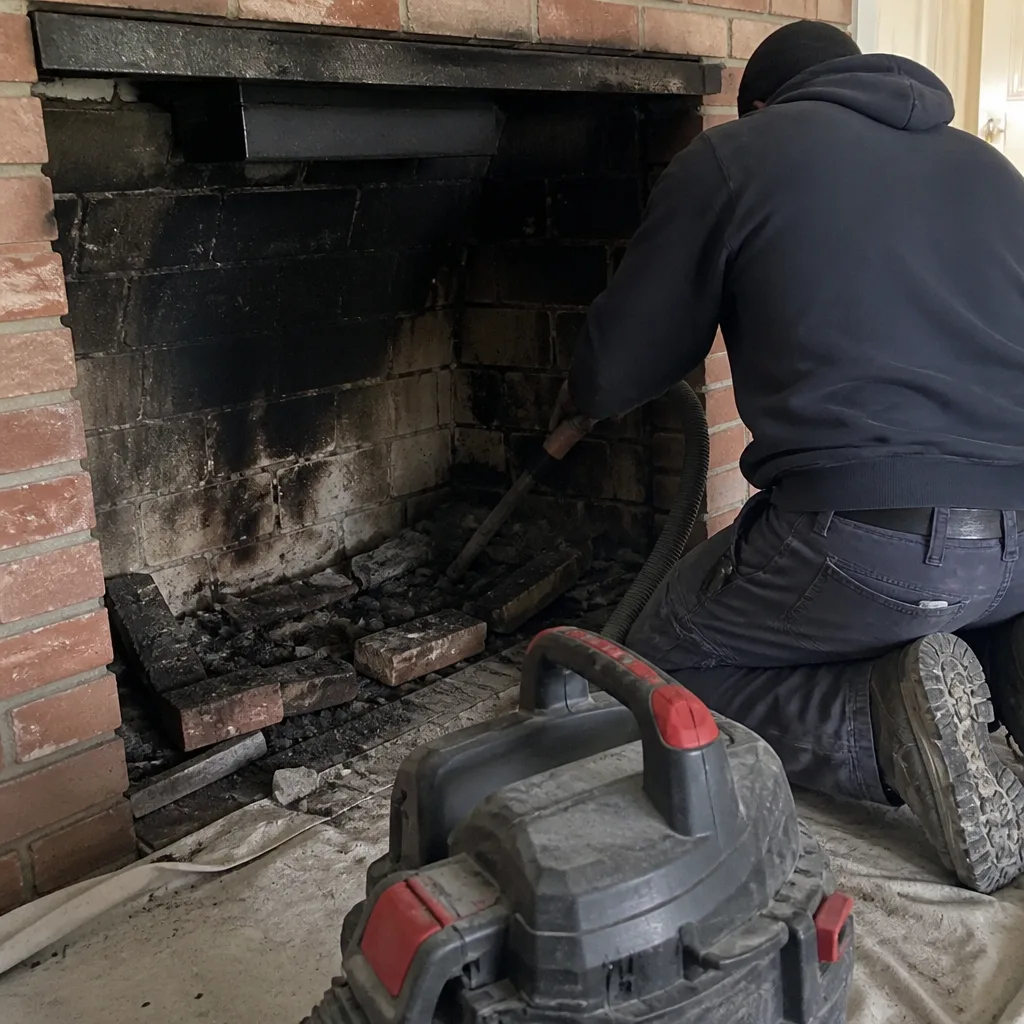 Before
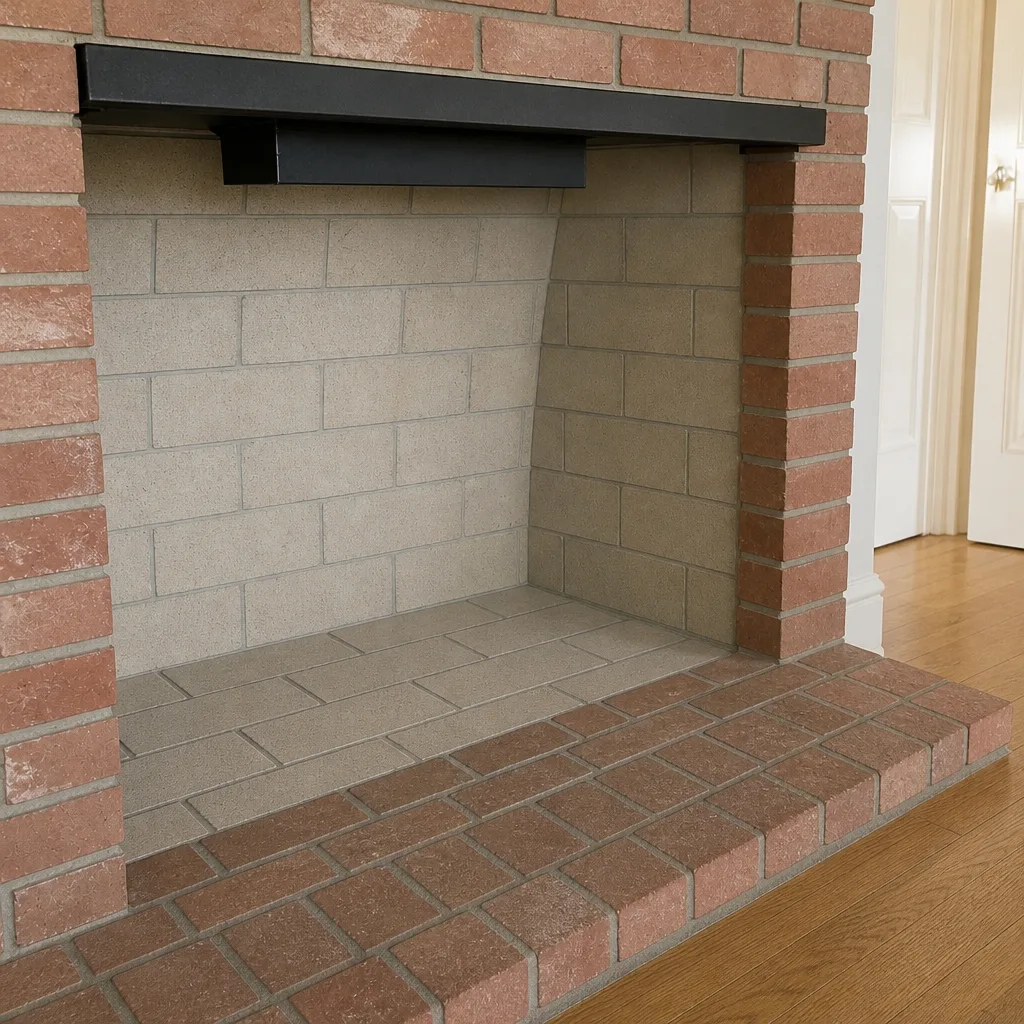 After
The Bottom Line
A chimney maintenance checklist for Paradise shouldn’t be borrowed from a colder, wetter place. Sweep based on how much you burn, check for monsoon and heat damage before the burn season, and handle moisture, pest, and off-season issues after it. Split the checks between what you can verify yourself and what genuinely needs a trained sweep, and get the dryer vent onto the same annual list. Keep the records, because they matter at resale in the Las Vegas metro market. Every recommendation should come with evidence you can see, and a technician who tells you plainly when a repair can safely wait.
Related Services
- Chimney Sweep Paradise – chimney sweeping, dryer vent cleaning, and chimney repair under one specialist.
- chimney sweep – what a full sweep visit covers and how to book one.
- dryer vent cleaning – clearing lint buildup, standalone or as an add-on.
- Paradise – our full chimney and vent service for Paradise homeowners.
What happens when you call
- 1
A real person answersNo phone trees – you reach a local pro.
- 2
You get an upfront price rangeHonest numbers before anyone is dispatched.
- 3
A background-checked tech heads outLicensed & insured, dispatched right away.
- 4
You approve before work beginsNothing starts until you say go.
Contact
Whether you’re putting the pre-season checklist to work or just want to know what condition your chimney is actually in, call (844) 314-6144 for a free estimate. We answer 24/7. Fast dispatch from 7am to 7pm, Sunday through Friday.
Written by the team at Chimney Sweep Paradise.