
Last updated November 15, 2026
 Sweep & inspection
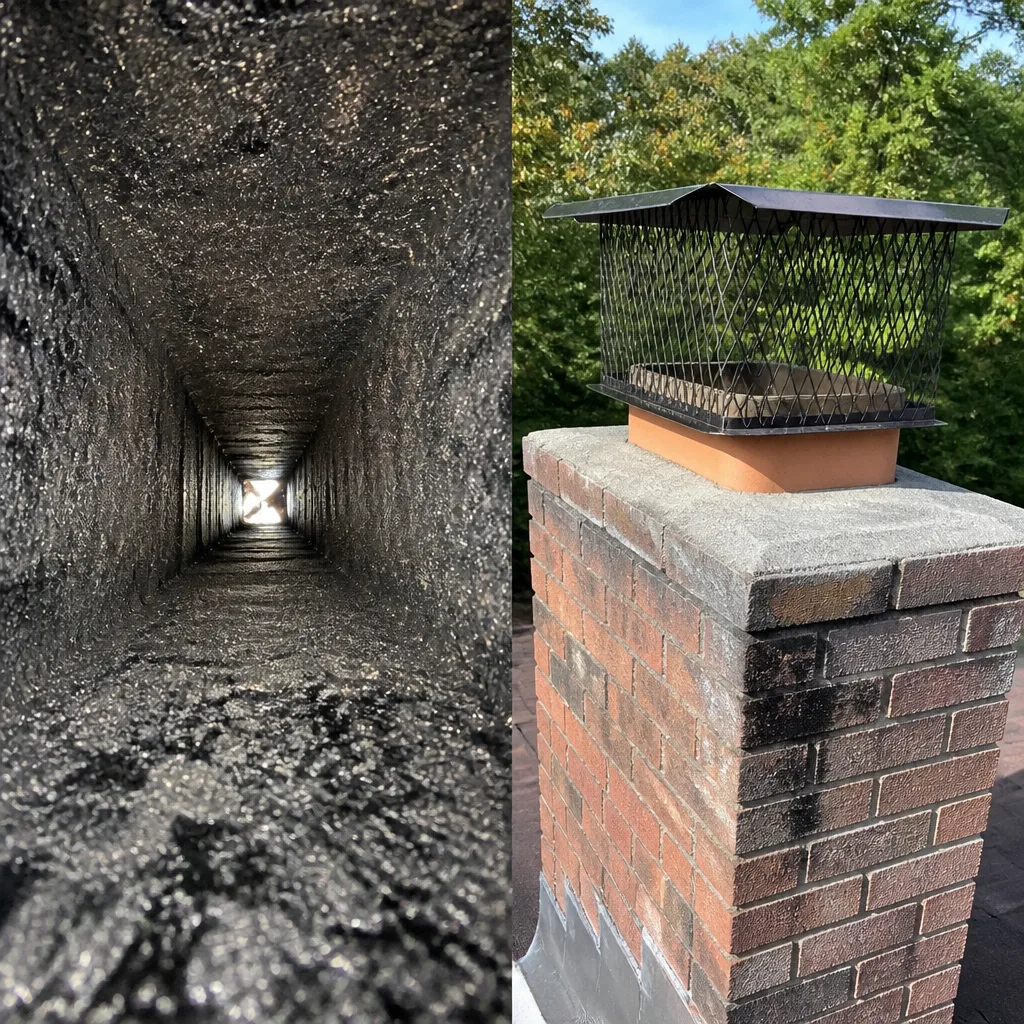
 Caps & crowns
 Flue relining
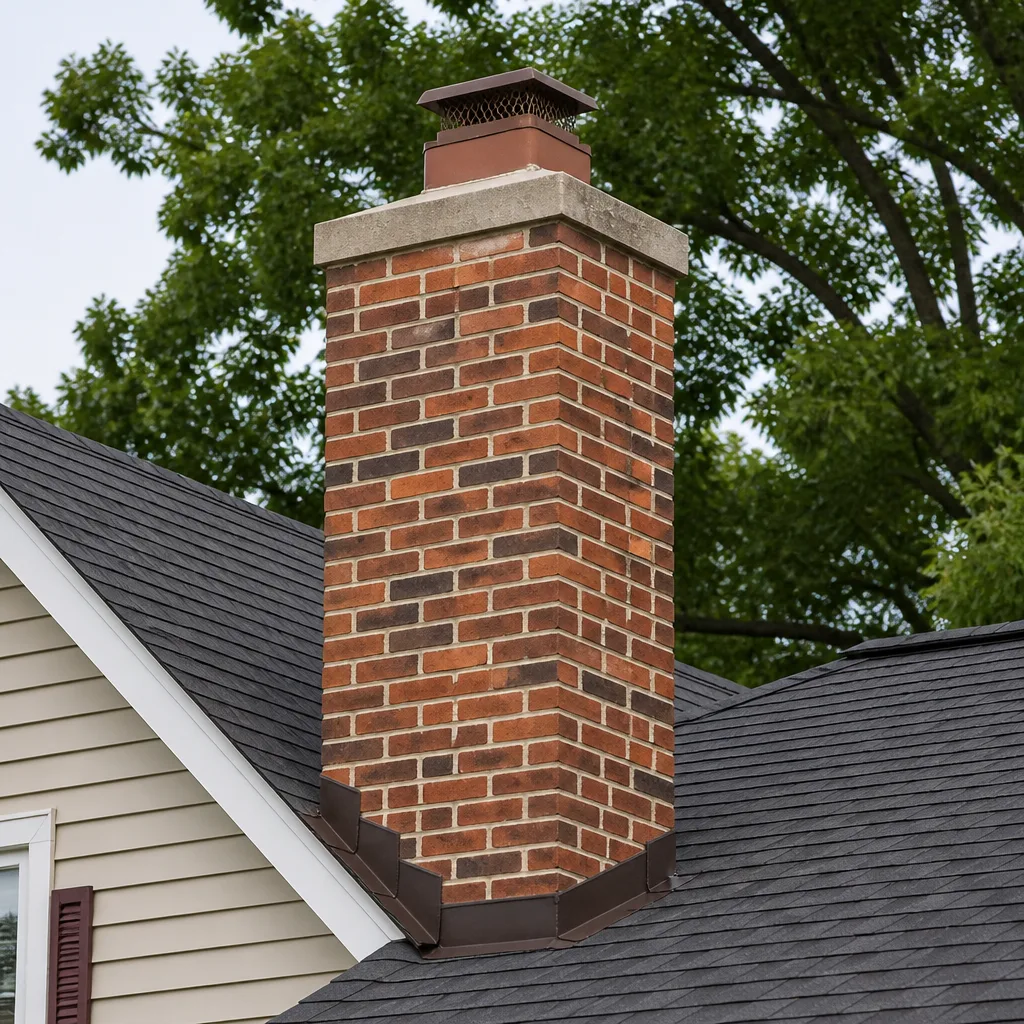 Masonry repair
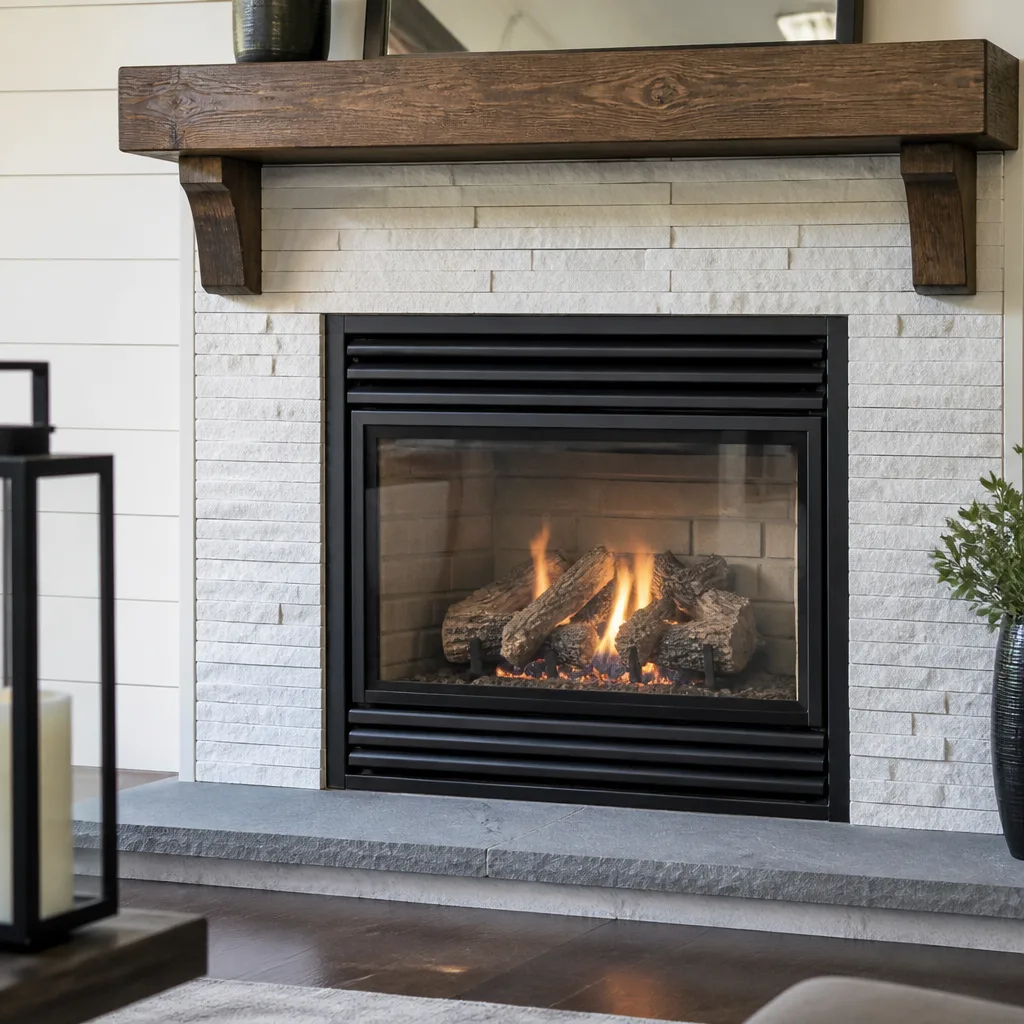 Gas fireplace service
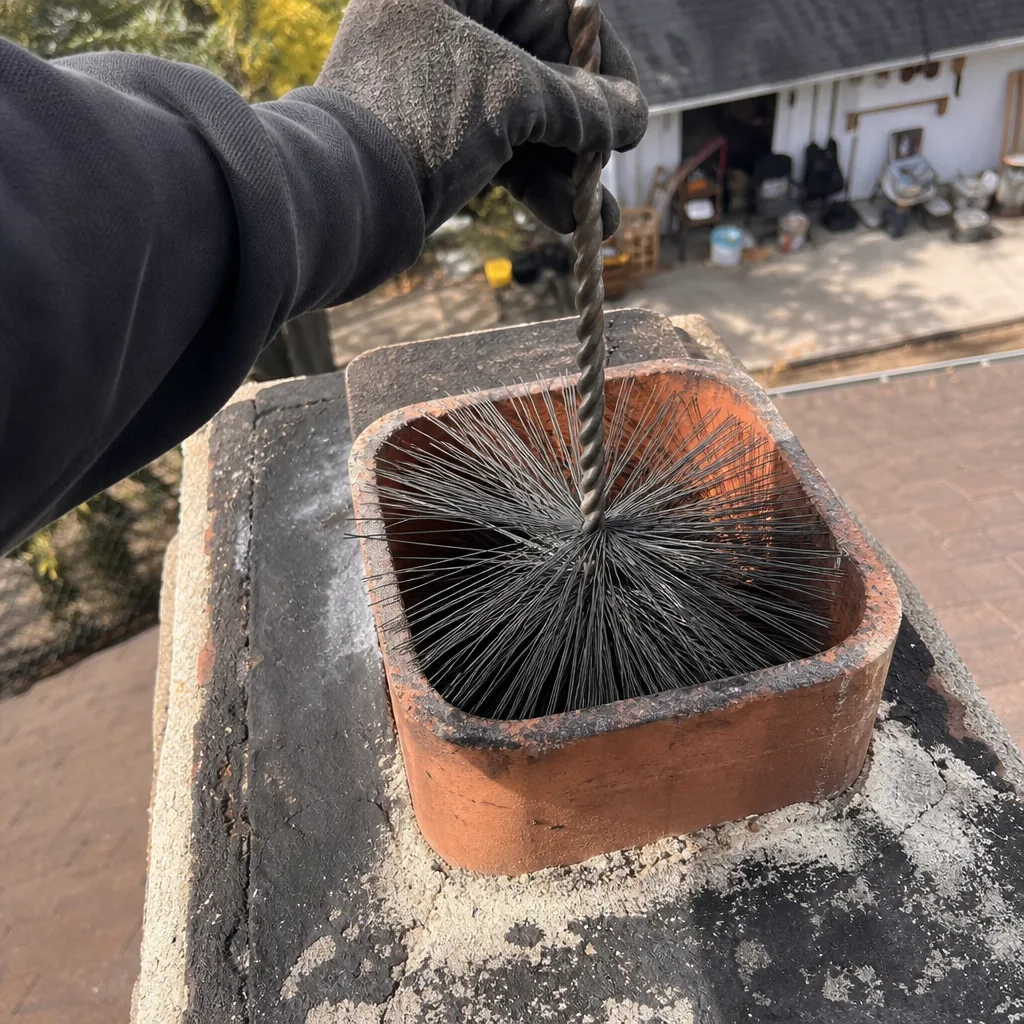
Level 1 sweep and inspection to the NFPA 211 annual standard - flue, crown, cap, and flashing checked and photographed
Chimney sweep logs do not sweep chimneys. They loosen some creosote - which then falls where a brush and vacuum still have to collect it.
Chimney Sweep Maintenance Schedule: What to Do and When
Gas fireplaces don’t produce creosote. That single fact leads a lot of homeowners to skip chimney inspections entirely, and it’s one of the most common and costly assumptions we run into. A gas appliance still vents through a flue, and that flue still collects debris, nests, and falling masonry. When a liner degrades or a blockage forms, carbon monoxide has a clear path back into the house with no smoke to warn you. A wood-burning fireplace has its own schedule, a pellet stove has another, and an older unlined masonry chimney has a different one again. This guide builds a maintenance calendar around how you actually burn, what’s inside your flue, and what conditions here in Paradise ask of a chimney. You’ll leave with a fuel-by-fuel schedule, a monthly self-check, and a five-year milestone plan.
Quick Answer
Most wood-burning fireplaces in Paradise need a professional sweep and inspection once a year, ideally right after the burning season ends in spring. Gas inserts and gas fireplaces need an annual inspection even though they produce no creosote, because debris, liner wear and blockages are the real risk. Pellet stoves usually need the flue and venting cleaned once a year and the appliance itself cleaned more often. The one-year rhythm is the baseline; heavy winter use, an older unlined flue, or a change in how the fireplace behaves can shorten that interval.
Styles & brands we work with
- Sweep & inspection
- Caps & crowns
- Flue relining
- Masonry repair
- Gas fireplace service
Table of Contents
- How Your Fuel Type Changes the Schedule
- What “Annual Inspection” Actually Means
- Why Paradise Shoulder Seasons Matter
- What You Should Check Yourself Each Month
- The Five-Year Milestone Schedule
- Signs Your Chimney Needs Attention Sooner
- The Vent Most People Forget
- Common Mistakes to Avoid
How Your Fuel Type Changes the Schedule
The annual sweep is treated as a universal rule, and for a lot of homes it’s close to right. It’s also the reason some chimneys get ignored and others get over-serviced. What’s burning inside the firebox determines what builds up in the flue, what a technician looks for, and how often the whole system needs eyes on it. Here’s how the three main fuel types compare.
Wood-Burning Fireplaces and Wood Stoves
Wood produces creosote, and creosote is the fuel behind most chimney fires. How fast it accumulates depends on the wood itself, how hot the fire runs, and how much air the firebox gets. A fireplace run hot with well-seasoned hardwood builds creosote slowly. A firebox that gets smoldered, or one burning green wood, builds it fast. For most wood-burning homes, a yearly sweep and inspection is the right rhythm. If you burn daily through the winter, or you know the wood has been wet, plan on a mid-season look as well.
Gas Inserts and Gas Fireplaces
Gas doesn’t make creosote, but it makes its own problems. Gas venting runs cooler than wood smoke, so moisture can condense inside the flue, and that moisture can degrade a liner over time. Birds and debris find an open flue just as easily as they find a wood chimney. Annual inspection matters here because the failure mode is invisible: no smoke, no smell, just a blocked or compromised path for flue gases. A technician inspects the liner, checks the vent connection and cap, and confirms the flue is clear.
Pellet Stoves
Pellet stoves vent differently from a masonry fireplace, and the venting itself needs annual attention. Ash and fly ash collect in the vent, and a restricted vent changes how the stove drafts. The appliance needs cleaning far more often than the vent does, and the vent gets a professional cleaning and inspection once a year. What a technician looks for is ash accumulation in the vent run, the condition of the vent joints, and whether the termination is clear.
What “Annual Inspection” Actually Means
NFPA 211 is the standard that governs chimneys, fireplaces, vents and solid fuel appliances in the US. In plain language, it asks that chimneys, fireplaces and vents be inspected annually and cleaned as needed. Note the two-part phrasing: inspection is annual, cleaning depends on what the inspection finds. That distinction matters, because “annual inspection” and “annual sweep” are not automatically the same job.
An inspection is an evaluation. The technician looks at the firebox, the smoke chamber, the flue, the cap, the crown and the exterior of the chimney, and checks for creosote levels, obstructions, cracks and deterioration. A cleaning happens when the inspection shows creosote or debris at a level that needs removing. For a home burning lightly, that inspection might come back with a clean bill and no sweep required. For a home burning heavily, the sweep and the inspection happen in the same visit.
Practical meaning for Paradise homeowners: treat the annual inspection as non-negotiable, and treat the sweep as the follow-on step that the inspection tells you is due. If a company only offers a “sweep” with no inspection and no report, you’re not getting the full picture. A proper visit includes a look at the whole system, not just a brush down the flue. We’ve built our chimney sweep visits around that sequence: inspect first, clean what needs cleaning, and tell you clearly what we found.
Why Paradise Shoulder Seasons Matter
In Paradise, most fireplaces run hard from October into March and then sit idle through the hot months. That seasonality creates a timing problem. Creosote left sitting in a warm flue for months gets baked onto the liner surface, and by the time the next burning season arrives it’s harder to remove. The single best piece of maintenance timing advice we can give is to book the sweep after the burning season ends, not at the start of the next one.
A spring visit catches residue while it’s still fresh. It also gives you months, not days, to schedule any repair the inspection turns up before the cold returns. Book the sweep for autumn instead, and a cracked crown or a worn liner discovered in October becomes a scramble. There’s a second reason spring works well: the inspection happens after the season that put the most stress on the chimney. A flue that was fine in September may not be fine in April, and spring is when you find out.
Paradise summers also matter for the exterior side of the chimney. Heat cycling on the masonry and the crown is real, and it’s part of why the annual inspection looks at the whole chimney and not just the firebox. Our technicians have up to 12 years of experience reading those seasonal patterns in chimneys across Paradise.
What You Should Check Yourself Each Month
A professional inspection catches what needs a trained eye. Your monthly self-check catches the simple things between visits, and it takes a few minutes. During burning season, run through this short list.
- Damper movement. Open the damper fully and close it. It should move smoothly without sticking, grinding or catching. A damper that sticks or won’t fully open restricts draft and can send smoke into the room.
- Visible cap condition. Look at the chimney cap from the ground. Check that it’s still seated, that the screen isn’t torn or missing, and that no debris or nesting material is jammed into it.
- Smoke shelf debris. Look up into the firebox above the damper. The smoke shelf is where debris collects. If you can see leaves, twigs or soot buildup, note it for your next visit.
- Firebox walls. Check the brick and mortar for cracks, loose bricks or crumbling joints. Look at the fireback for gaps.
- Signs of draft problems. Note any smoke that rolls into the room when you start a fire, any smell that lingers after the fire is out, or a fire that’s hard to get going. Each of these is a signal to call for an inspection sooner than the annual date.
None of this replaces the professional inspection. What it does is catch the obvious issues early and give you something specific to report when you call.
The Five-Year Milestone Schedule
A chimney is not the same system in year five that it was in year one. The interior surfaces and the exterior masonry both change over time. Here’s how we think about the trajectory of a mid-age masonry chimney in the Nevada climate across five years, with what a professional inspection is looking for at each stage.
Year One: Baseline
The first year is about establishing a baseline. An inspection records the condition of the firebox, the flue, the liner or lack of one, the crown and the cap. A sweep clears anything that’s accumulated. The report from year one becomes the standard against which later years are measured. If the chimney is unlined or has a damaged liner, that becomes the priority now, before anything else builds on top of it.
Year Three: Wear and Tear
By year three, the inspection is comparing current condition to the baseline. Common findings at this stage are mortar joints in the firebox that have opened up, a crown that has started to crack from freeze-thaw and heat cycling, and a liner that shows wear points. The cap and storm collar are checked for looseness. If a liner replacement comes up, this is often the stage where it gets identified, and it’s the right time for it. A properly installed liner in a professional-grade system like DuraFlex is built to last, and resolving a damaged liner early protects the masonry around it.
Year Five: Structural Assessment
At year five, the inspection shifts some attention to the masonry itself: the crown, the flashing, the exterior joints. Cracks in the crown and failed flashing are how water gets in, and water getting in is how a masonry chimney degrades. Resurfacing work with a system like HeatShield addresses the flue’s interior surface when a rebuild isn’t needed. Replacing a worn cap with a proper component from Olympia Chimney or Gelco is common at this stage. The goal is to keep small repairs small.
The milestone rhythm is a guide, not a guarantee. A chimney that has seen heavy use or sat through a hard winter can show year-five wear at year three, and the annual inspection is what catches that.
Signs Your Chimney Needs Attention Sooner
The annual schedule is the floor, not the ceiling. Certain warning signs mean you should call before the next scheduled inspection. These are the ones worth knowing.
- Smoke entering the room. A fire that puts smoke into the room when you start it, or that refuses to draft, is a sign of a blockage or a draft issue. This is a call-now item.
- A strong creosote smell after the fire is out. Lingering odor is often a sign of a buildup that needs attention.
- Visible cracks or damage to the firebox, flue or crown. Cracks in the firebox or the flue are a safety concern, not a cosmetic one.
- Water in the firebox or a damp chimney. Water intrusion points to a failed crown, flashing or cap.
- Debris visible in the firebox. Leaves, twigs or nesting material in the firebox means something has gotten into the flue.
- A change in how the appliance behaves. A gas insert that starts smelling off, a pellet stove that drafts differently, a fireplace that’s suddenly hard to light. Behavior changes are worth an inspection.
When in doubt, an inspection answers the question. The point of the schedule is to keep a small issue from becoming a structural one.
The Vent Most People Forget
Your dryer vent is a vent, and it needs to be treated like one. Lint is highly combustible, and a dryer vent that has built up a layer of lint restricts airflow, raises heat in the appliance and creates a fire risk. It’s one of the leading causes of residential house fires, and it’s routinely overlooked because nobody sees it. We offer dryer vent cleaning alongside our chimney work for exactly that reason.
How often does the dryer vent need cleaning? For most households, once a year is a sensible interval. If your dryer cycles are getting slower, the outside of the dryer or the laundry room is hotter than usual, or you’re emptying the lint trap more often, those are signals the vent is due for a look even if the year isn’t up. The vent run, the angle of the ducting and the termination all affect how fast lint builds up, which is why a professional cleaning is more thorough than a homeowner with a brush at the termination.
Treat the dryer vent the way you treat the chimney: annually, with a professional inspection attached. The result is a dryer that runs better and one fewer fire risk in the house.
Common Mistakes to Avoid
- Skipping the inspection because the fireplace is gas. Gas produces no creosote, but the flue still needs an annual inspection for debris, liner wear and blockage. It’s the single most common error we see in Paradise.
- Treating the annual sweep as a universal rule. An annual sweep is the right schedule for many homes and the wrong one for a heavy burner or an older unlined flue. Match the schedule to the fuel type and the use.
- Booking the sweep in autumn instead of spring. Residue sits and bakes into the liner over the summer. A spring visit is easier to clean, and it leaves time to schedule any repair before winter.
- Assuming a clean-looking firebox means a clean flue. The firebox can look fine while the flue above it has a creosote layer or an obstruction. The two areas are not the same.
- Hiring a sweep with no inspection attached. A brush down the flue with no report tells you nothing about the state of the liner, the crown or the cap.
- Ignoring the dryer vent. It’s a fire risk in the same home, and it’s the vent most homeowners never think about.
- Waiting until a symptom appears. The annual inspection is what catches wear before it becomes damage. A visit scheduled because of a symptom is more expensive than a visit scheduled because it’s due.
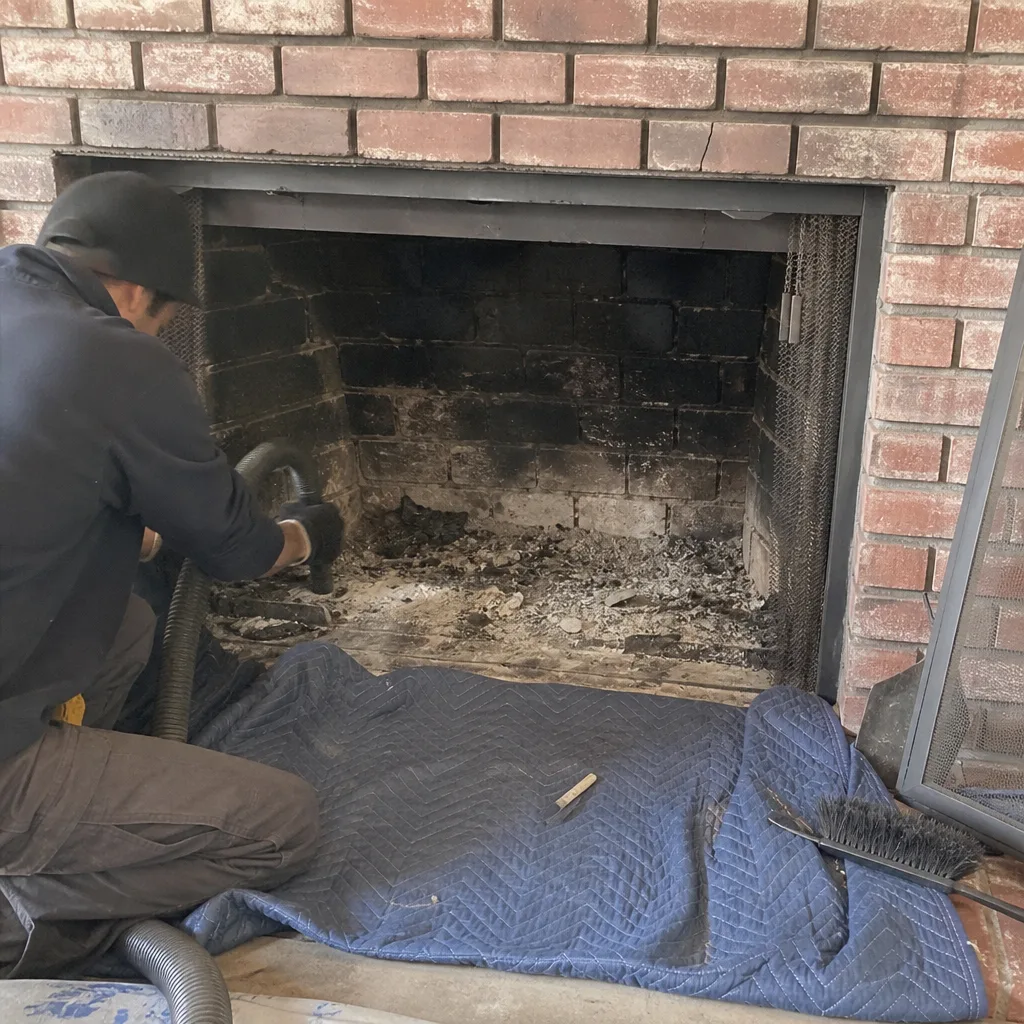
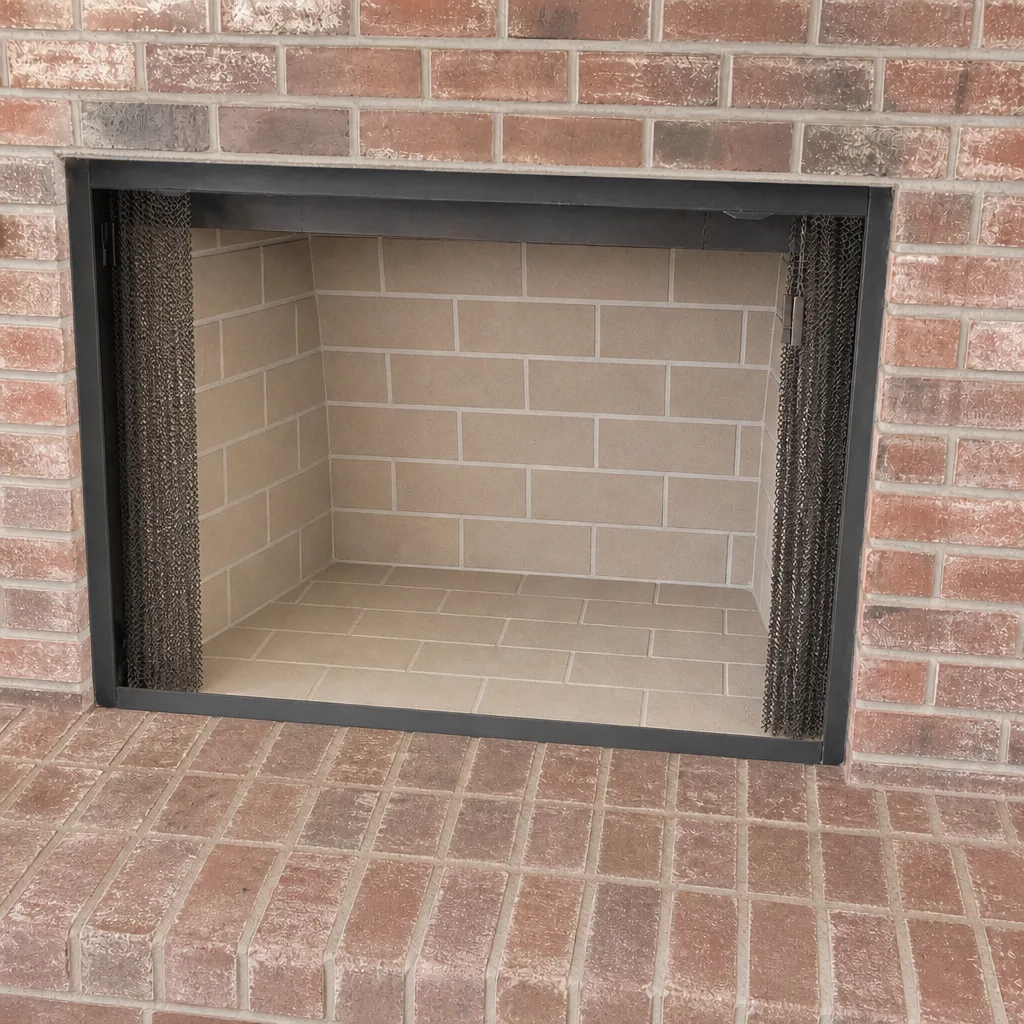
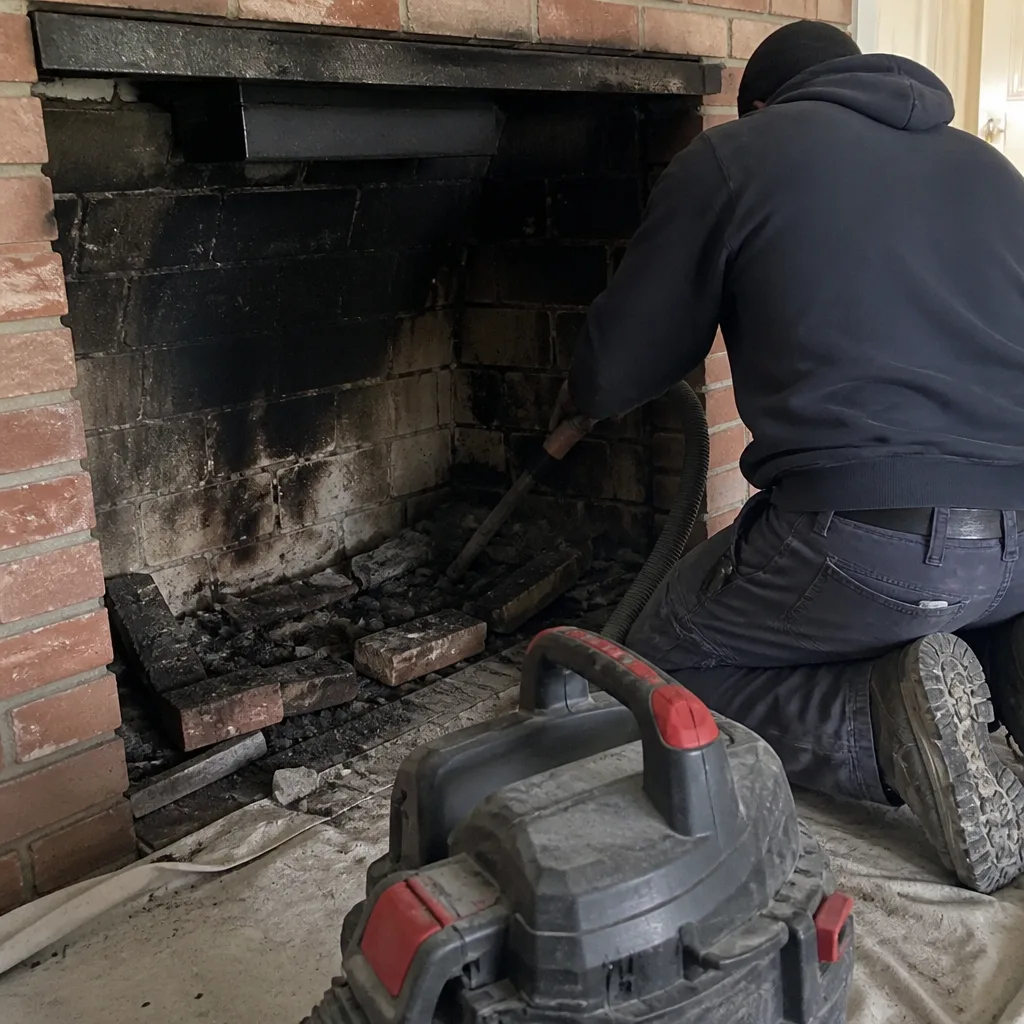
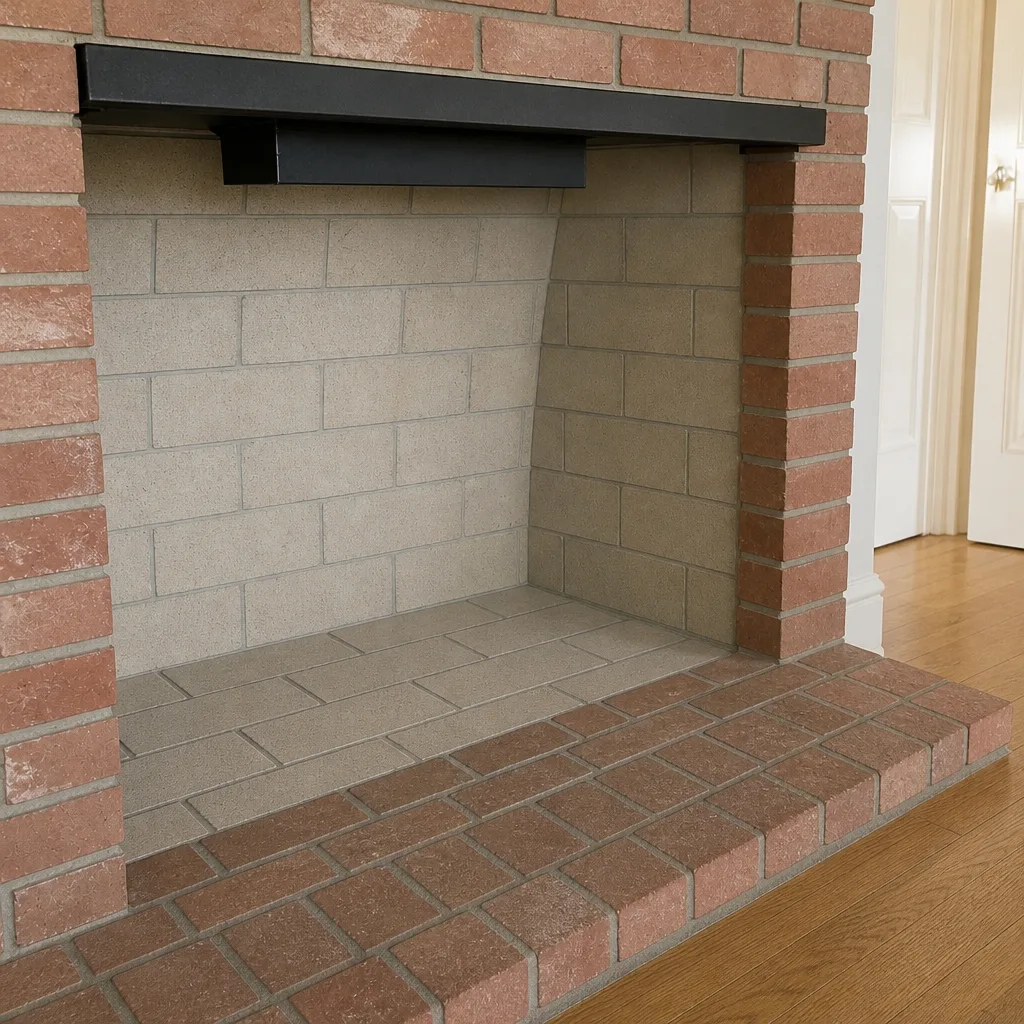
See the difference
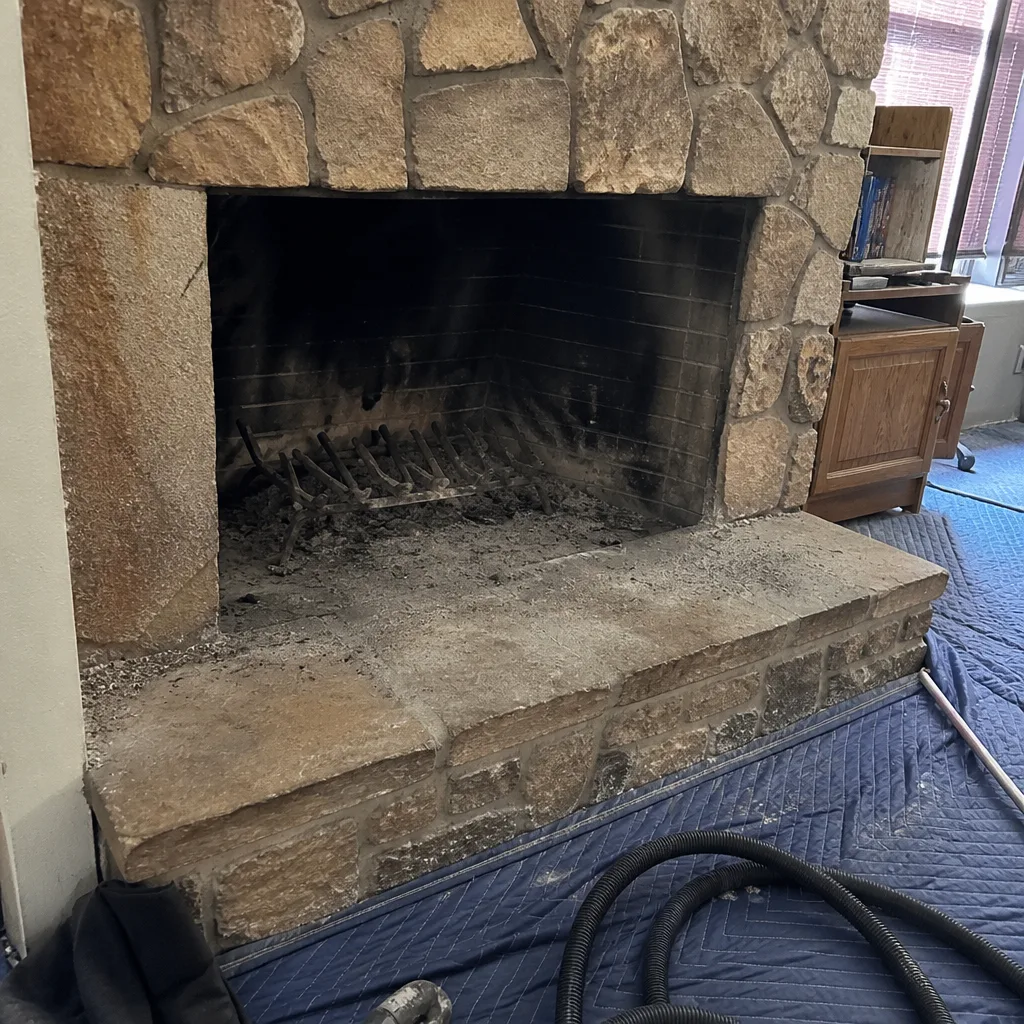 Before
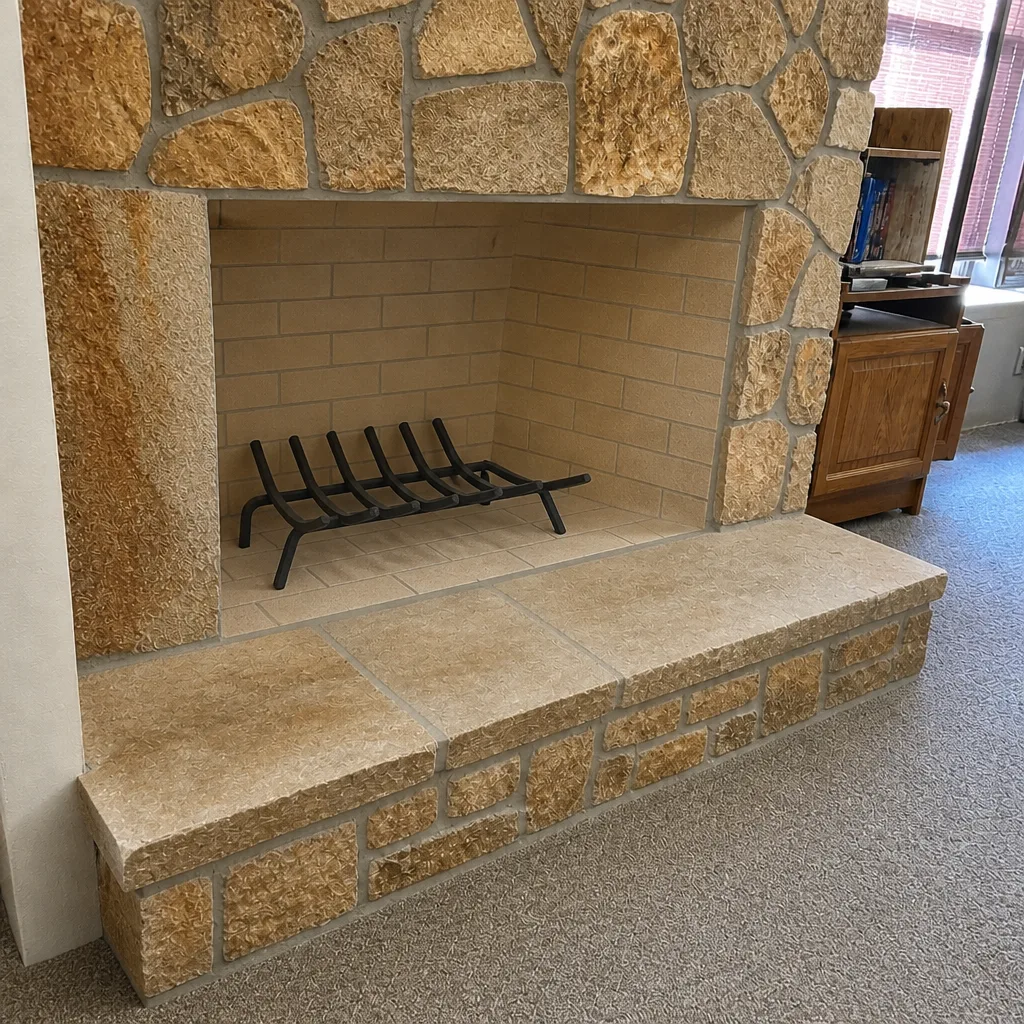 After
 Before
 After
 Before
 After
When to Call a Professional
Call us when your annual inspection is due and you want it done right, with a full evaluation of the firebox, flue, liner, crown and cap and a clear report of what we found. Call when you see a warning sign: smoke in the room, visible cracks, water intrusion, debris in the firebox or an unfamiliar smell from a gas appliance. Call when you haven’t had a chimney inspected in over a year, or when you’ve moved into a home and don’t know the history of the chimney. Call when your dryer is running slower or hotter than usual.
Chimney Sweep Paradise covers the full chimney system: cleaning, structural repair and dryer vent work. We work with professional-grade materials from DuraFlex, HeatShield, Gelco, Olympia Chimney, Famco and Copperfield, and we install manufacturer-specified components rather than generic substitutes. There’s no referral required if your job ends up spanning more than one of those categories. We offer free estimates in Paradise. Call (844) 314-6144. We answer 24/7. Fast dispatch from 7am to 7pm, Sunday through Friday.
Frequently Asked Questions
Once a year for most wood-burning homes, done in spring after the burning season. A heavy burner, a home burning green wood, or an older unlined flue can need a mid-season look. Gas and pellet venting gets an annual inspection even when no cleaning is needed. If you’re unsure, call (844) 314-6144 for an exact schedule recommendation – estimates are free.
No. The inspection is the annual evaluation of the whole chimney; the sweep is the cleaning that happens if the inspection shows it’s needed. NFPA 211 asks for annual inspection and cleaning as needed. Some years a home needs an inspection only, and some years it needs both. Call (844) 314-6144 to book a visit that covers both.
Yes. Gas produces no creosote, but debris, nesting and liner wear can compromise gas venting, and a compromised flue puts carbon monoxide at risk of reaching the living space. The annual inspection is the check that catches those conditions. Call (844) 314-6144 to schedule a gas inspection – estimates are free.
Spring, right after the burning season ends. That timing catches residue while it’s fresh, and it gives you months to schedule any repair before the next winter. Autumn bookings are fine if spring doesn’t work, but they leave less room for repairs. Call (844) 314-6144 to book a spring visit.
Once a year for most households. Slower dryer cycles, a hot exterior on the appliance, or a lint trap that fills faster than usual can mean the vent is due sooner. Lint is a real fire risk, and the vent is one of the most commonly forgotten. Call (844) 314-6144 for a dryer vent appointment.
Damper movement, visible cap condition, the smoke shelf above the damper, the firebox walls and any signs of draft problems. These are quick checks that catch the obvious issues between professional visits. Anything that looks off is a reason to call for an inspection sooner than the annual date. Call (844) 314-6144 if you’re not sure what you’re seeing.
The Bottom Line
The right chimney maintenance schedule depends on what you burn and how hard you burn it. Wood-burning homes should plan on an annual inspection and a sweep when needed, timed to spring. Gas inserts and gas fireplaces need an annual inspection even without creosote, because carbon monoxide is the risk and it’s invisible. Pellet stoves need annual vent cleaning and more frequent appliance care. The annual inspection is the constant, and the annual sweep is the step the inspection tells you is due. Add a monthly self-check during the burning season and a dryer vent cleaning once a year, and you’ve covered the whole system.
Chimney Sweep Paradise handles the sweep, the repair and the dryer vent in Paradise, working with professional-grade systems from DuraFlex, HeatShield, Gelco, Olympia Chimney, Famco and Copperfield. If you’re due for a visit, call (844) 314-6144 for a free estimate. We answer 24/7. Fast dispatch from 7am to 7pm, Sunday through Friday. If you’re new to the area, start with our Paradise page to see how we work here, or visit Chimney Sweep Paradise for the full picture on our services.
Written by the team at Chimney Sweep Paradise.