
Last updated November 15, 2026
 Sweep & inspection
 Caps & crowns
 Flue relining
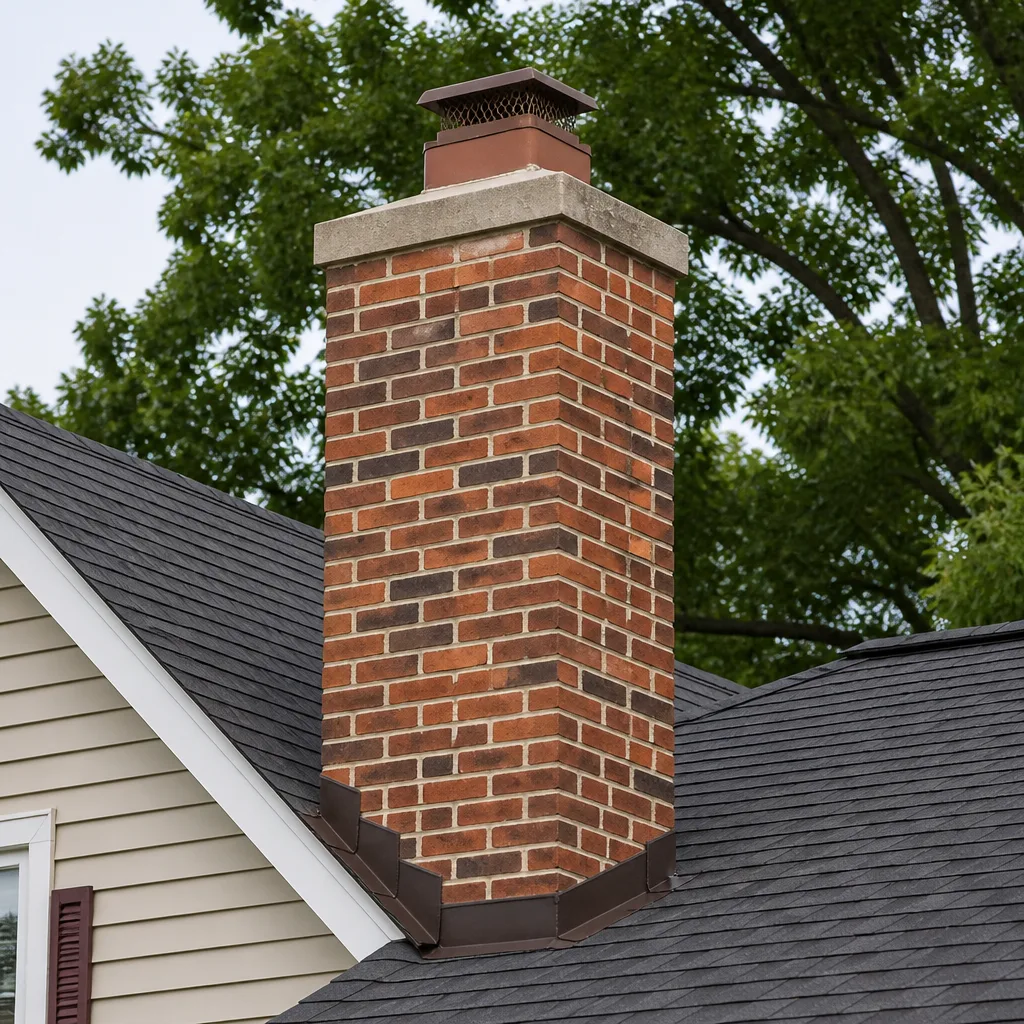 Masonry repair
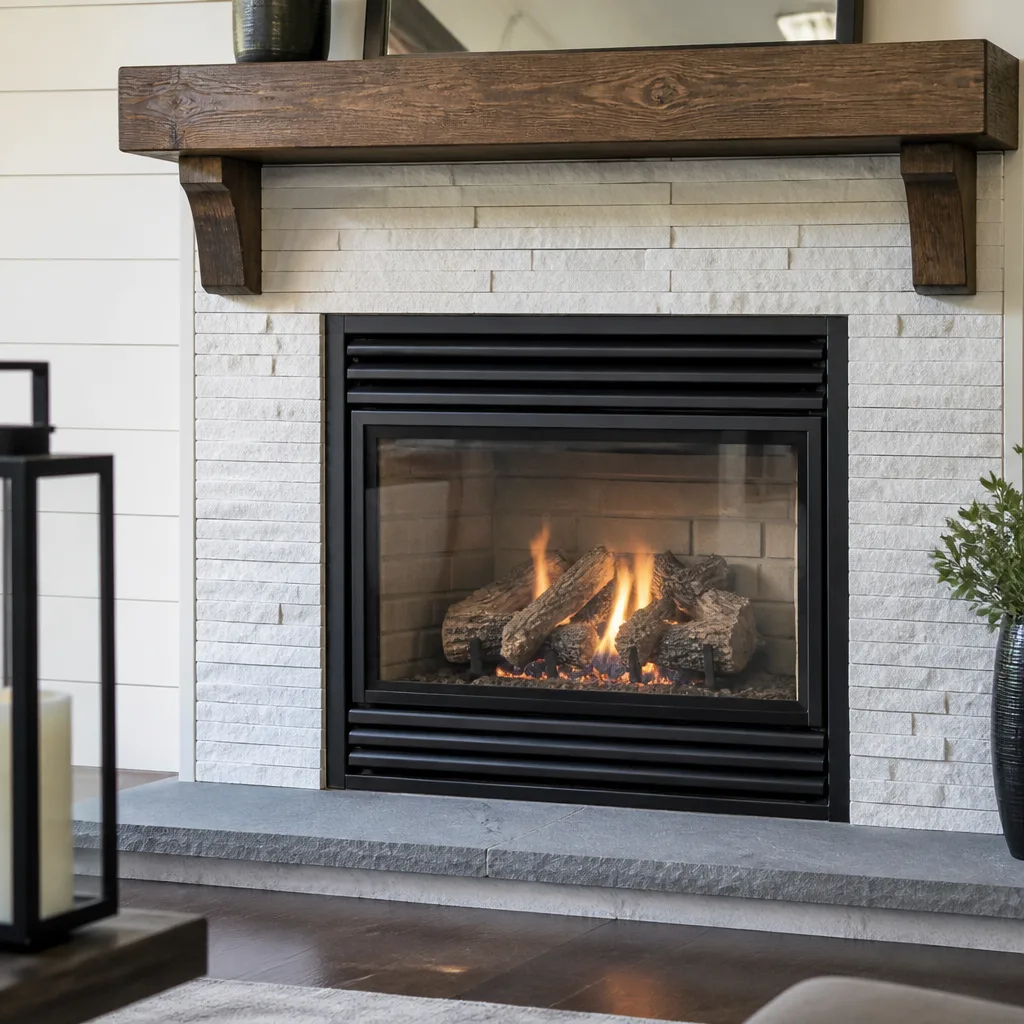 Gas fireplace service
Level 1 sweep and inspection to the NFPA 211 annual standard - flue, crown, cap, and flashing checked and photographed
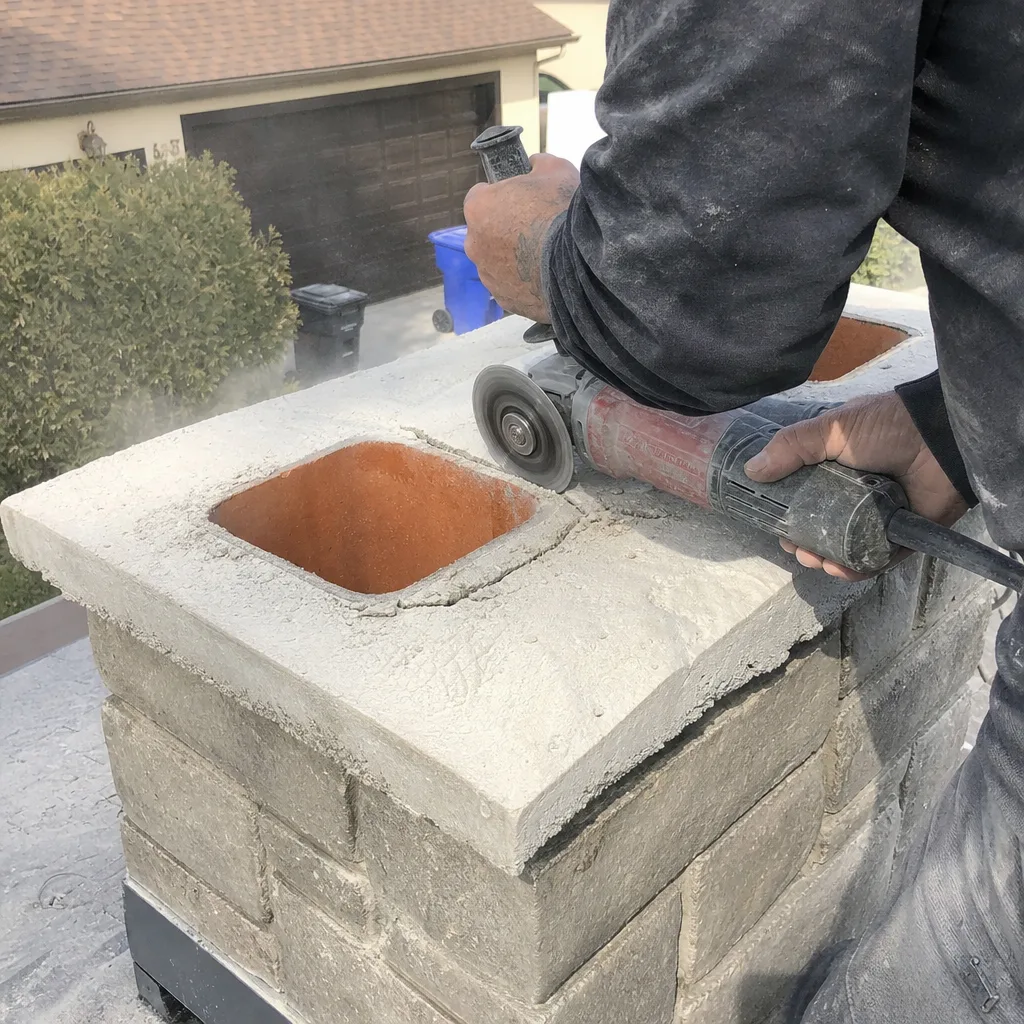
Chimney sweep logs do not sweep chimneys. They loosen some creosote - which then falls where a brush and vacuum still have to collect it.
The Complete Guide to Chimney Cleaning in Paradise
Most chimney guides are written for the Northeast, where homeowners burn wood six months a year and creosote builds up in thick, tarry layers. In Paradise, NV, where a fireplace might run 30 nights annually, the creosote behaves differently – and so does the cleaning protocol. Low-frequency burning in a hot, dry climate produces dry, powdery deposits instead of glazed third-degree creosote, and desert dust settles into flues that sit unused for nine months at a stretch. National advice doesn’t match those conditions. This guide covers what chimney cleaning in Paradise actually involves: how local climate shapes creosote and debris, what CSIA-standard inspections require, what a real cleaning includes versus what budget operators skip, and how gas fireplaces need different treatment than wood-burning systems. By the end, you’ll know exactly what your chimney needs and when to schedule it.
Quick Answer
Chimney cleaning in Paradise should happen once a year if you burn wood, and every two to three years for gas fireplaces that see light seasonal use – but desert dust and debris in unused flues make an annual inspection the safer default for any home with a chimney. A proper cleaning includes a CSIA-standard inspection, brushing of the firebox and smoke chamber, a flue sweep, a cap and liner check, and a clear report of what was found. Contrary to what most homeowners assume, the creosote in Paradise chimneys is usually dry and powdery rather than glazed, so the cleaning approach and the risks are different from what colder-climate guides describe.
Styles & brands we work with
- Sweep & inspection
- Caps & crowns
- Flue relining
- Masonry repair
- Gas fireplace service
Table of Contents
- Why Chimney Cleaning in Paradise Is Different From Everywhere Else
- The Three Types of Creosote – and Which One Paradise Produces
- Desert Dust, Debris, and the Unused Flue Problem
- CSIA-Standard Inspections: The Three Levels Explained
- What a Full-Service Chimney Cleaning Actually Includes
- Gas Fireplaces in Paradise: A Different Cleaning Protocol
- DIY vs. Professional: What You Can Safely Do Yourself
- When to Schedule Cleaning in Paradise
Why Chimney Cleaning in Paradise Is Different From Everywhere Else
Chimney cleaning in Paradise is shaped by three local conditions that national guides don’t account for: extreme summer heat, low humidity, and the way homes here use fireplaces as a novelty rather than a heating system. A Paradise fireplace might run 30 nights a year – a few cold winter evenings, a holiday gathering, a cold snap in January. That’s a fraction of what a Northeast chimney sees, and it changes the creosote entirely. Instead of the thick, glazed deposits that build up from months of continuous burning, you get light, dry, powdery accumulation. It’s less dangerous per unit of volume, but it also means homeowners skip cleaning because “we barely use it” – and that’s where problems start.
Paradise’s climate also affects the flue itself. The extreme heat of summer and the dry air of the Mojave create a wide temperature swing between seasons, which stresses the masonry and liner joints. A flue that sits at 110°F in July and drops to 40°F on a January night expands and contracts with the seasons. That movement can open small cracks in the masonry or loosen liner sections – cracks that go unnoticed until a cleaning inspection finds them.
Low humidity also matters. In a swampy climate, moisture in the flue encourages creosote to adhere in sticky, tar-like layers. In Paradise’s dry air, creosote dries into a loose powder that sits in the flue and firebox. That powder is easier to sweep, but it’s also easy for a homeowner to ignore, and it accumulates faster than people expect – especially when combined with desert dust. The dry climate also means the chimney doesn’t get the natural “flushing” of rain that other regions rely on, so particulate matter stays put until a professional sweep removes it.
We see the results of these local conditions on every job. A Paradise chimney that hasn’t been cleaned in three years often looks less dramatic than a New England chimney that hasn’t been cleaned in one – but the dust and dry creosote still represent a fire risk, and the inspection is where we catch the issues the homeowner can’t see. That’s why we treat Paradise as the specific environment it is, not a generic American suburb with a fireplace.
The Three Types of Creosote – and Which One Paradise Produces
Creosote comes in three recognized grades. The first is a light, flaky soot that wipes away with a brush. The second is a dry, brittle crust that’s harder to remove but still manageable. The third is a glazed, tar-like layer that hardens into a ceramic shell on the flue wall and requires aggressive mechanical cleaning. In colder climates with heavy burning, the third grade is the most common. In Paradise, the first and second grades dominate – but that doesn’t mean they’re harmless.
Here’s why the difference matters:
- Powdery creosote ignites easily. It’s light, it’s dry, and it sits loose in the flue and smoke chamber. When a hot fire runs on a cold night, that loose powder can catch in a flash – which is exactly the scenario a fireplace in Paradise is most likely to run into, since people light fires on the few cold nights and burn them hot.
- It’s easy to underestimate. Because the powder doesn’t look like the tar-coated horror stories online, Paradise homeowners assume it’s not a problem. But a flue with a quarter-inch of dry creosote is a fire risk regardless of what the deposits look like.
- It mixes with dust. Desert dust settles into the dry creosote, creating a heavier mix that clings to the flue wall and the smoke chamber shelf. That mix is harder to sweep clean and more likely to obstruct airflow.
We use the CSIA framework to assess the creosote grade during every cleaning, and the grade determines the approach: a brush for first-degree, a more aggressive brush and mechanical tools for second-degree, and a professional-grade chemical and resurfacing system for third-degree. In Paradise, most jobs are first or second degree, which means a standard sweep handles the creosote – but the inspection still has to confirm there’s no hidden third-degree patch in the upper flue where the temperature differential is sharpest.
The important takeaway: dry creosote is not “safe” creosote. It ignites faster than glazed creosote, and it accumulates in exactly the places a fire is most likely to contact it. That’s why we never skip the firebox and smoke chamber brushing, even when the flue looks clean from the top.
Desert Dust, Debris, and the Unused Flue Problem
Here’s a fact that most chimney guides never mention: in Paradise, dust accumulation in an unused flue can be as much of a concern as creosote. The Mojave environment sends particulate into the air year-round, and an open chimney cap – or a missing one – is a direct path for that dust into the flue. Add in the occasional blown debris, the insects and rodents that use an open flue as shelter, and the spider webs that build in the smoke chamber, and an unused chimney can be surprisingly obstructed.
Why does that matter if you’re not burning? Because the first fire of the year pushes all of it into the flue at once. A handful of dust is harmless. A firebox shelf coated in dust, combined with a partial obstruction in the flue, restricts the draft and sends smoke into the room – or worse, pushes combustion gases down instead of up. And a blocked flue can affect the furnace or water heater venting, since many Paradise homes share a chimney chase with other vented appliances.
The debris problem is one we see constantly in Paradise:
- The cap is the first line of defense. A properly fitted cap keeps dust, rain, and animals out of the flue. If your cap is missing, cracked, or rusted through, the flue is open to the desert.
- The firebox shelf collects dust. The flat surface at the top of the firebox is a dust magnet. It’s also where a cleaning has to be thorough, because a dusty shelf sitting under a hot fire is a fire-risk surface.
- The smoke chamber is the most overlooked area. The sloped area above the firebox is hard to reach, and most “quick” sweep services skip it. Dust and creosote accumulate there, and it’s the most likely location for a chimney fire to start.
- The liner check matters. A dust coating can hide a cracked liner joint. The inspection has to confirm the liner is intact, not just that the flue is clear.
That’s why we treat chimney cleaning in Paradise as a full-system check, not just a sweep. We clear the risk, not just the soot. If you want to see what a full service visit covers, our chimney sweep page walks through the process step by step.
CSIA-Standard Inspections: The Three Levels Explained
The Chimney Safety Institute of America (CSIA) defines three levels of chimney inspection, and every cleaning should include at least a Level 1. The levels aren’t marketing tiers – they’re a professional standard that tells you what’s being checked and what’s skipped. Here’s how they differ.
Level 1 Inspection. This is the baseline, and it’s appropriate for a routine annual cleaning when there’s no known problem and no change to the system. The technician visually examines the accessible parts of the chimney: the firebox, the damper, the smoke chamber (as far as visible), the flue from the top and bottom, the cap, and the visible portions of the liner. A Level 1 doesn’t require special tools beyond a flashlight and basic access, and it’s what we include with every standard cleaning.
Level 2 Inspection. This is required whenever there’s a change in the system: a new appliance, a change of fuel type, a property sale, an earthquake or chimney fire, or any sign of a problem. A Level 2 includes everything in a Level 1, plus a video scan of the flue interior using a camera. That camera finds things a visual check can’t: cracked liner joints, gaps between flue tiles, hidden creosote patches, and obstruction from debris or animal nests. In Paradise, we recommend a Level 2 any time a home has sat unused for a season or more, because dust and debris can hide issues in the flue.
Level 3 Inspection. This is the most invasive, and it’s only necessary when a Level 1 or Level 2 finds a serious hazard that requires access to concealed areas – typically a problem with the chimney structure that needs a wall opened or a section of the chimney disassembled. It’s rarely needed on a routine basis, and we only recommend it when the evidence justifies the cost.
The inspection order matters. Before cleaning, a Level 1 confirms what we’re dealing with. During cleaning, the technician notes what the brush reveals. After cleaning, a final check confirms the flue is clear and the components are sound. If you want to understand what happens when we find a problem, our Paradise service page covers the repair side of the work.
What a Full-Service Chimney Cleaning Actually Includes
A full-service cleaning in Paradise covers seven components. Budget operators often skip three or four of them, and that’s the difference between a sweep and a real cleaning. Here’s the full checklist:
- Firebox cleaning. The firebox floor and walls are brushed and vacuumed, including the ash bed and the firebrick joints. A surface wipe isn’t enough; the joints hold dry creosote and dust.
- Damper check. The damper is opened, closed, and inspected for smooth operation and a tight seal. A damper that doesn’t close fully lets heated air escape and cold air in, and it’s a sign of a larger issue.
- Smoke chamber brushing. The sloped area above the firebox is brushed down to the firebox. This is the most commonly skipped step, and it’s the area where chimney fires most often start.
- Flue sweep. The flue is brushed from the top or bottom, depending on access, with the correct brush for the liner type. A stainless liner gets a poly brush; a clay tile flue gets a different grade. Using the wrong brush damages the liner.
- Cap inspection. The chimney cap is checked for rust, cracking, loose fasteners, and proper fit. A compromised cap is the entry point for dust, rain, and animals, and it’s an inexpensive fix compared to the damage it prevents.
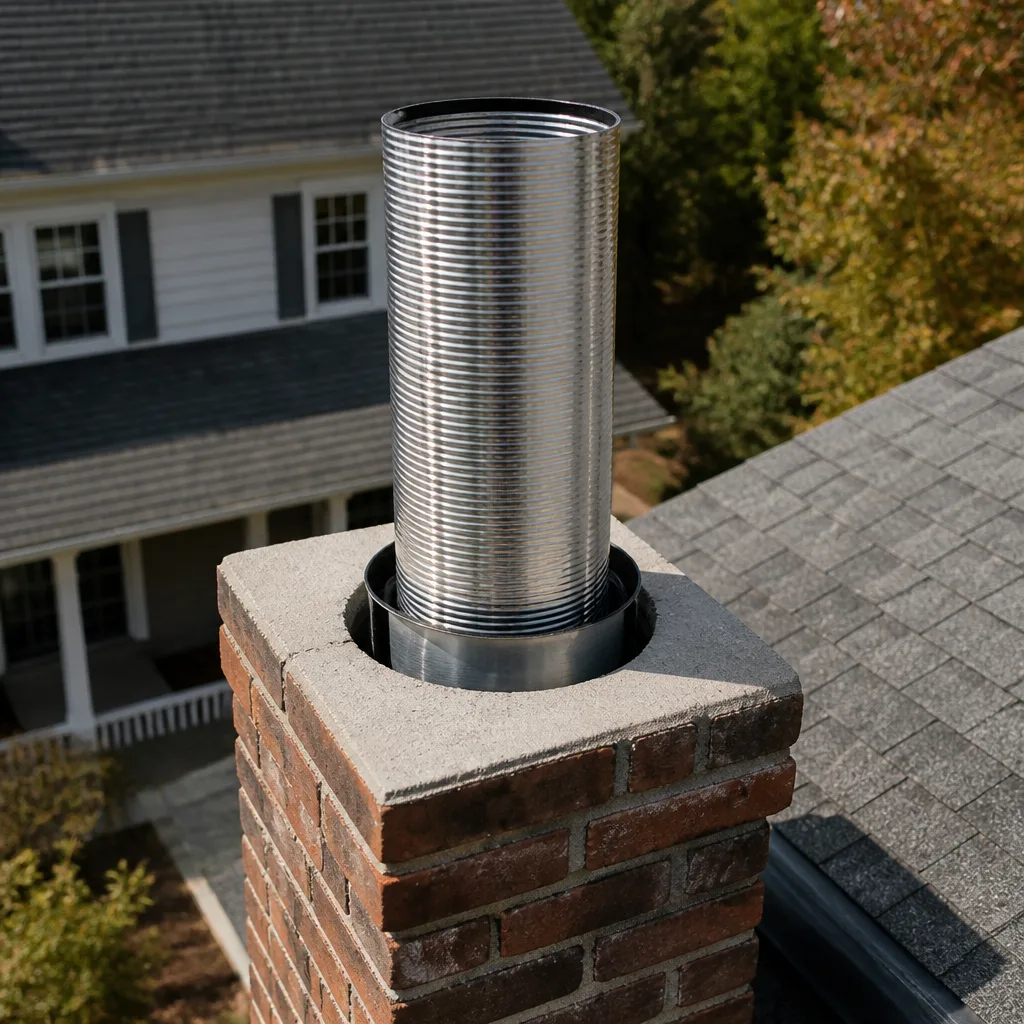
- Liner check. The liner is visually inspected for cracks, gaps, and signs of deterioration. If the liner is a stainless system like a DuraFlex, we check the joints and the condition of the steel. A damaged liner is a fire risk and a carbon monoxide risk, and it’s the one issue we never let a homeowner ignore.
- Written report and photo documentation. Every cleaning ends with a clear description of what was found, what was cleaned, and what – if anything – needs attention. We don’t recommend work without showing you the evidence first.
A quick sweep service typically does steps 1 and 4 only. That’s why their price looks lower. It’s not a cheaper version of the same job; it’s a different job. If a technician can’t tell you what the smoke chamber and liner look like, the cleaning wasn’t complete.
Gas Fireplaces in Paradise: A Different Cleaning Protocol
If your Paradise home was built or renovated in the last 20 years, there’s a good chance it has a gas fireplace rather than a wood-burning one. Gas fireplaces are popular in Paradise new construction because they don’t require wood storage, they light instantly, and they’re cleaner to operate. But “cleaner” doesn’t mean “maintenance-free,” and gas fireplaces need a different cleaning protocol than wood systems.
Here’s what’s different:
- No creosote, but plenty of dust and debris. Gas flames don’t produce creosote, so a homeowner assumes there’s nothing to clean. But the burner assembly, the logs (realistic ceramic logs, not real wood), and the pilot area collect dust, pet hair, and lint from the room. That buildup affects flame quality and can cause sooting.
- The venting still needs inspection. Gas fireplaces vent through a flue, a direct-vent system, or a power vent, and that vent can be obstructed by dust, debris, or animal nests. A blocked vent on a gas appliance is a carbon monoxide risk, not just a performance issue.
- Pilot and burner maintenance matters. The pilot assembly, burner orifices, and gas connections should be checked as part of the cleaning. Gas line work is not a DIY job – it’s a safety issue, and it belongs with a qualified technician.
- The glass and firebox need specific care. Gas fireplace glass accumulates a film that requires a manufacturer-approved cleaner. The interior firebox panels can crack or discolor, which is worth noting during the inspection.
So what does a gas fireplace cleaning in Paradise include? We clean the burner assembly, the logs, the firebox, and the glass, check the venting and the vent cap, inspect the gas connections visually, and confirm the pilot and burner are operating correctly. We also look for signs of sooting, which usually points to an airflow or venting problem that needs correction.
One more point: gas fireplaces still need professional service, even though the protocol is different. A homeowner who sweeps their own wood chimney at least knows what to look for. A homeowner servicing a gas fireplace is working around a gas appliance, and that’s a job for someone trained to do it. The safety caveat is simple: don’t disconnect or adjust gas lines yourself.
DIY vs. Professional: What You Can Safely Do Yourself
There’s a real conversation to have about what a homeowner can do versus what requires a professional, and it’s not all-or-nothing. A Paradise homeowner can do a few things safely. The core work – the flue sweep, the smoke chamber brushing, the liner inspection – belongs with a trained technician. Here’s the honest split.
What you can safely do:
- Check the cap from the ground. A pair of binoculars tells you if the cap is rusted, cracked, or missing. If it is, that’s a call – not a climbing job.
- Look inside the firebox with a flashlight. Note any visible cracks in the firebrick, looseness in the damper, or a heavy buildup of dust on the shelf. That information helps the technician.
- Test the damper by hand. Open and close it and feel for sticking or a loose seal.
- Keep the area clear. No stored items near the hearth, no decorations on the fireplace front.
What you should not do yourself:
- Climb the roof to sweep the flue. Height work is dangerous, and a fall from a roof is far worse than any chimney problem. The roof in Paradise also gets hot enough in summer to make the surface a burn risk.
- Sweep the flue with a rented brush. Using the wrong brush grade on a stainless liner can scratch or damage the steel, and a DIY brush doesn’t reach the smoke chamber or the upper flue properly.
- Inspect the liner visually from the top. The dangerous liner cracks are the ones you can’t see from above. A video camera and a trained eye are required.
- Open or adjust any gas component. This is a hard safety line. Gas work belongs with a technician.
The line is simple: you can observe, and you can keep the area clear. You can’t climb, sweep, or touch gas. A professional cleaning costs far less than the repair from a damaged liner or the aftermath of a chimney fire. Since we’re on the subject of overlooked fire risks, our dryer vent cleaning page covers a safety issue in the same category that most homeowners never think about.
When to Schedule Cleaning in Paradise
The best time to schedule a chimney cleaning in Paradise is before the first cold snap, not after it. Most homes here don’t think about the fireplace until the first cold night, and by then the schedule is full and the first fire is already burning on an uncleaned flue. The window between October and the first cold week is the ideal time. If you’re reading this in summer, you’re already ahead; book the inspection now and the flue is clean before you need it.
How often should you schedule? It depends on use:
- Wood-burning fireplace, regular use: once a year, per CSIA guidance. The annual cleaning is about the inspection as much as the sweep.
- Wood-burning fireplace, occasional use: once a year still, because Paradise dust accumulates regardless of burn frequency, and the inspection is the real value.
- Gas fireplace: every two to three years, or annually if you use it heavily or notice sooting.
- Unused chimney: every two to three years, to clear dust and debris and check that the cap and flue haven’t deteriorated.
A few local timing notes make a difference. First, the dry, dusty spring in Paradise sends particulate into every open flue, so a spring cleaning catches what settled over the winter burning season. Second, if your home sat empty over the summer, the first fall inspection is essential – a flue that sat unused for months is exactly where animal nests and debris collect. Third, if you’ve just bought the home, schedule a Level 2 inspection before your first fire; you don’t know the cleaning history, and the previous owner may have skipped it.
For a closer look at how to book and what to expect, the Chimney Sweep Paradise team can walk you through the process. If you want to understand the full scope of what we handle, our what-we-check section is a good starting point.
Common Mistakes to Avoid
- Skipping the annual cleaning because “we barely use it.” In Paradise, light use is exactly the pattern that lets dry creosote and desert dust accumulate undetected. A fireplace that runs 30 nights a year still needs the inspection.
- Hiring the cheapest sweep and assuming the job is done. A low-price sweep that skips the smoke chamber and liner check isn’t a bargain – it’s an incomplete job that leaves the real risks in place. Ask what the price includes before booking.
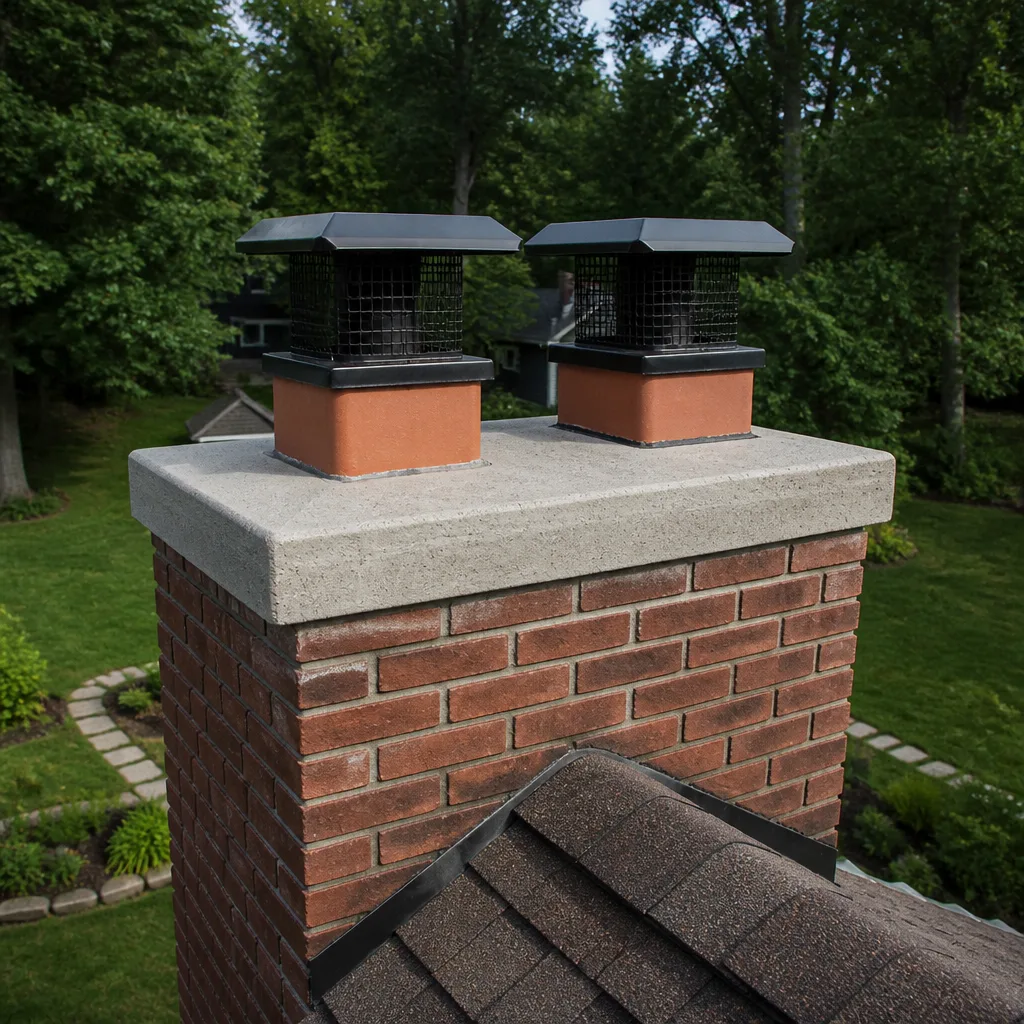
- Ignoring the chimney cap. Paradise dust, rain, and animals find an open flue fast. A missing or damaged cap is the single easiest thing to overlook, and it drives most of the debris problems we see.
- Assuming gas fireplaces don’t need service. The lack of creosote doesn’t mean the system is clean. Dust, sooting, and vent obstructions are real issues on gas units, and the vent check is a safety step.
- Cleaning the flue with a rented brush. The wrong brush grade damages a stainless liner, and a DIY sweep can’t reach the smoke chamber properly. It’s a false economy on a system with a real fire risk.
- Waiting until the first cold night. The week before a cold snap is the busiest time of year for any chimney specialist. Booking in early fall, or even summer, means the job is done before the rush.
- Ignoring dryer vent lint. The same safety logic applies to the dryer vent, and lint accumulation is one of the leading causes of home fires. If you’re scheduling chimney work, add a vent check.
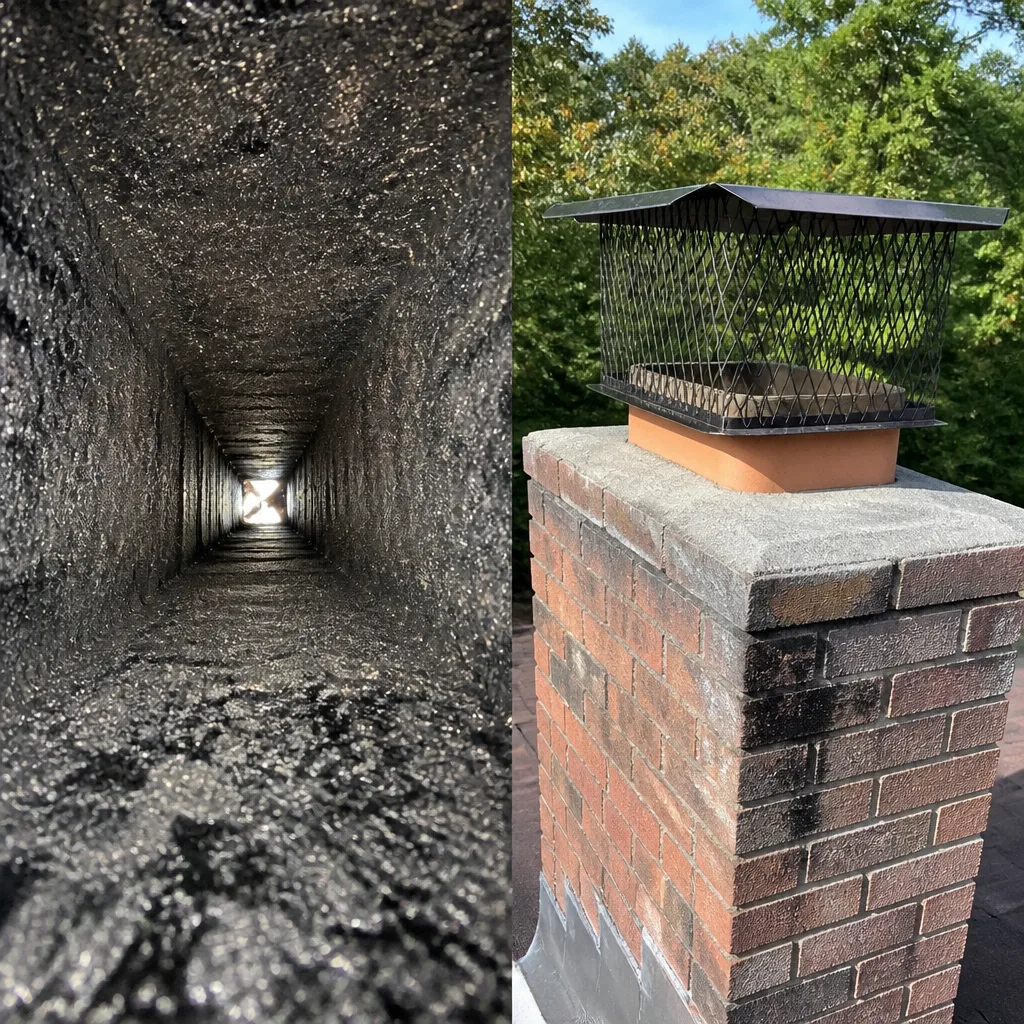
See the difference
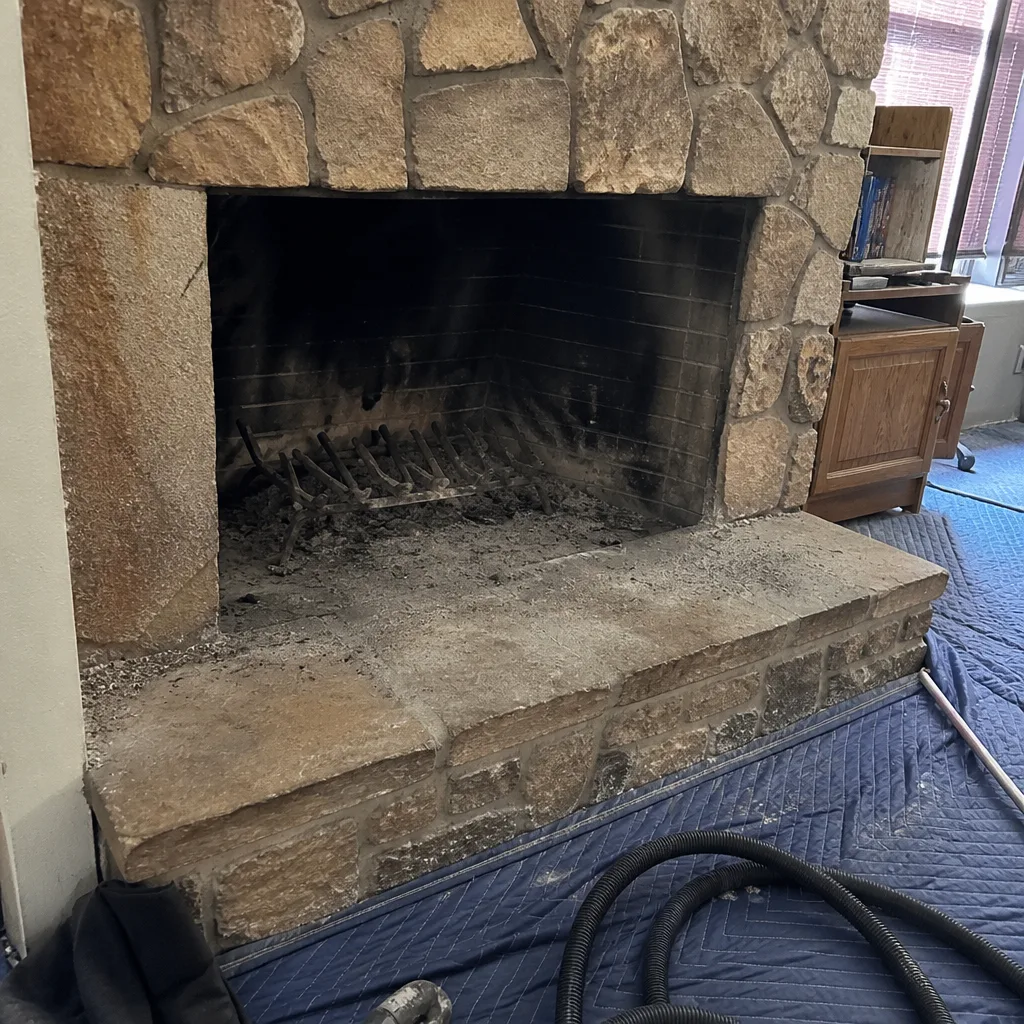 Before
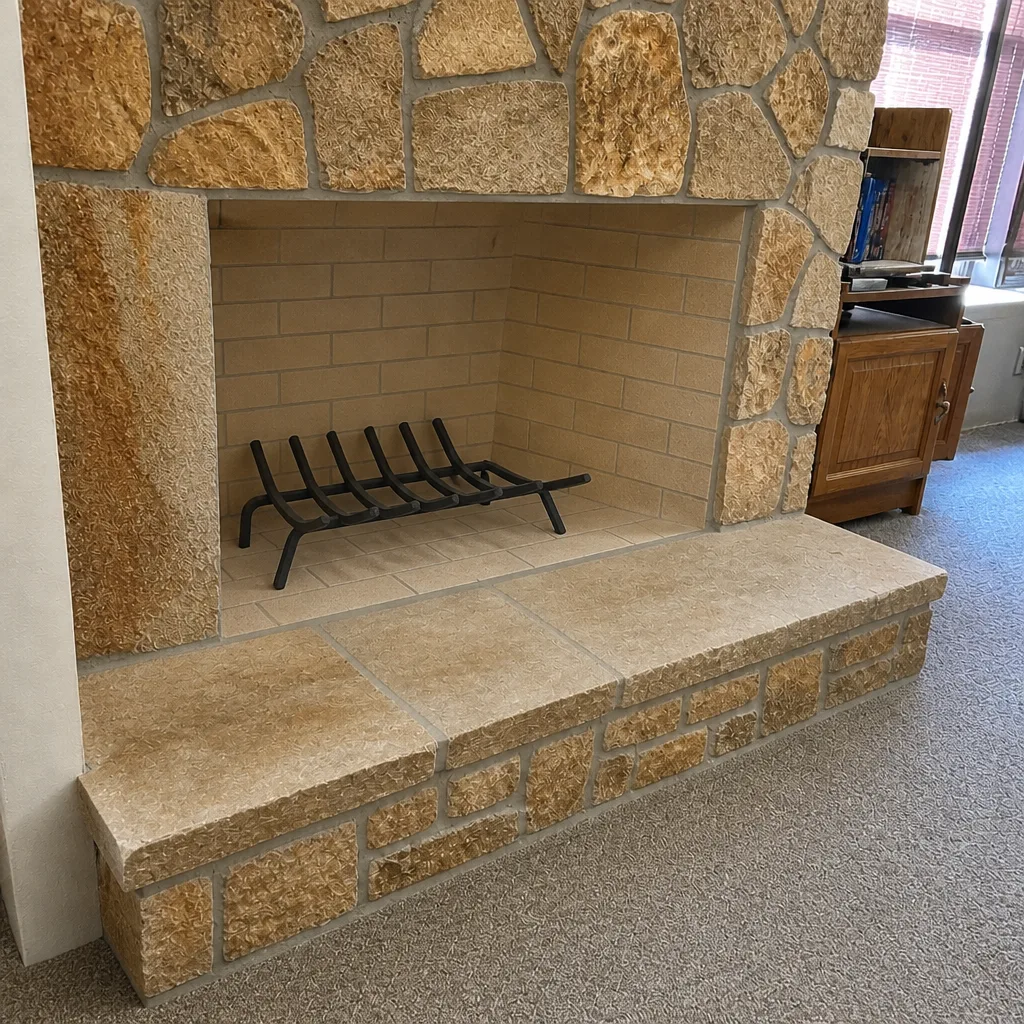 After
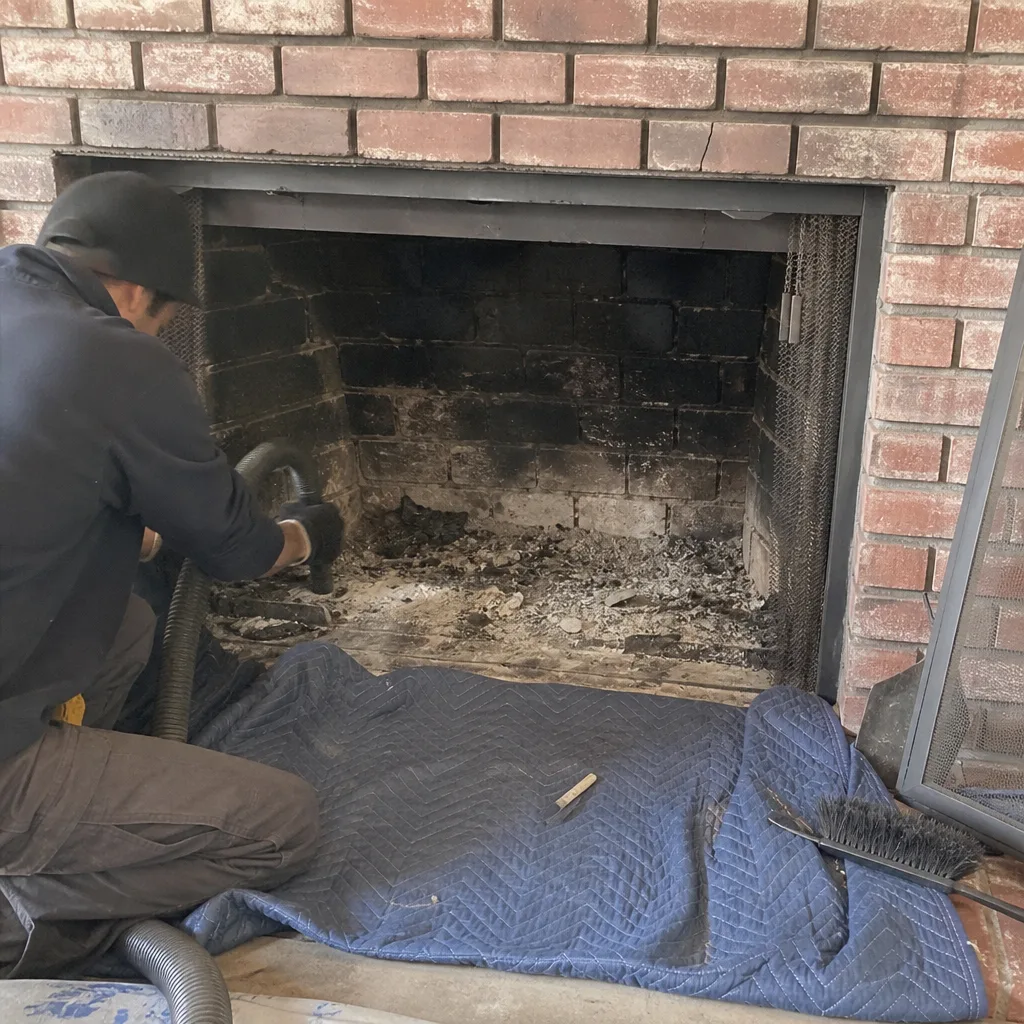 Before
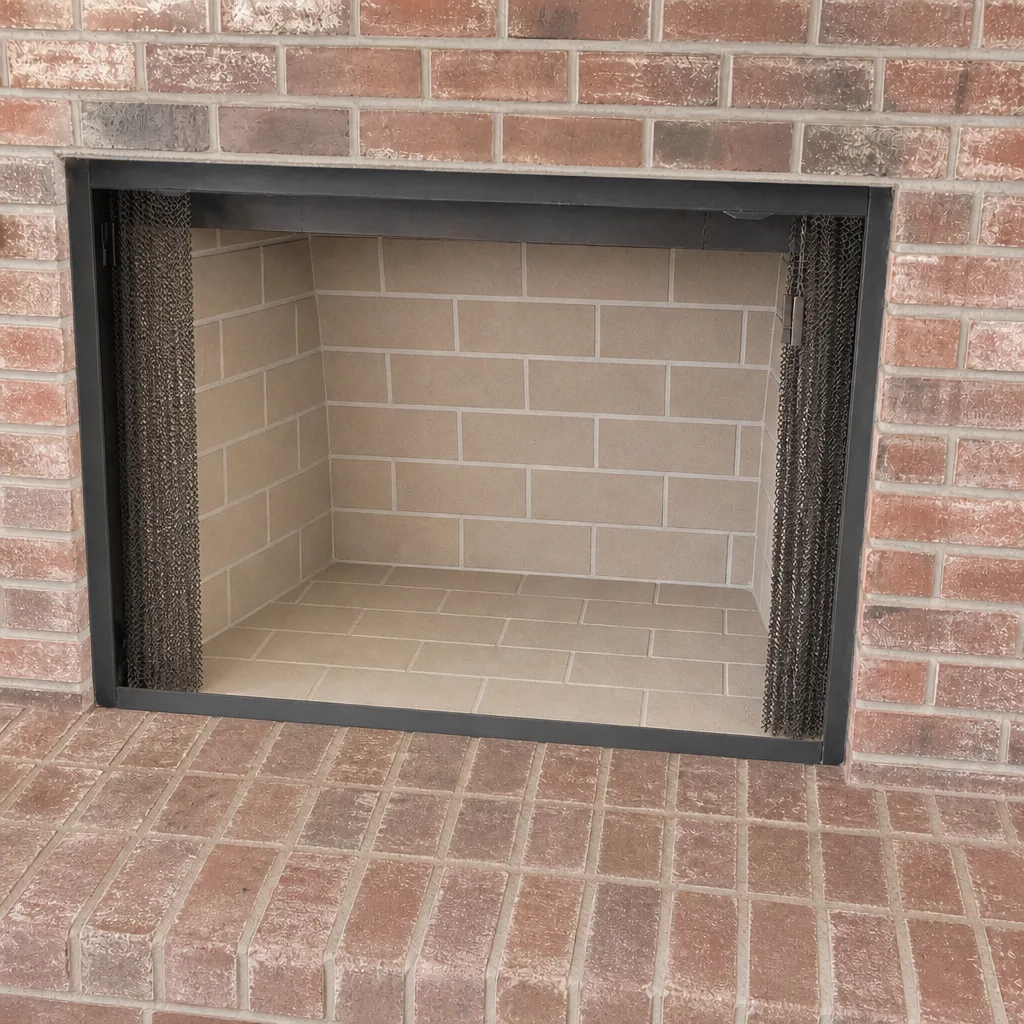 After
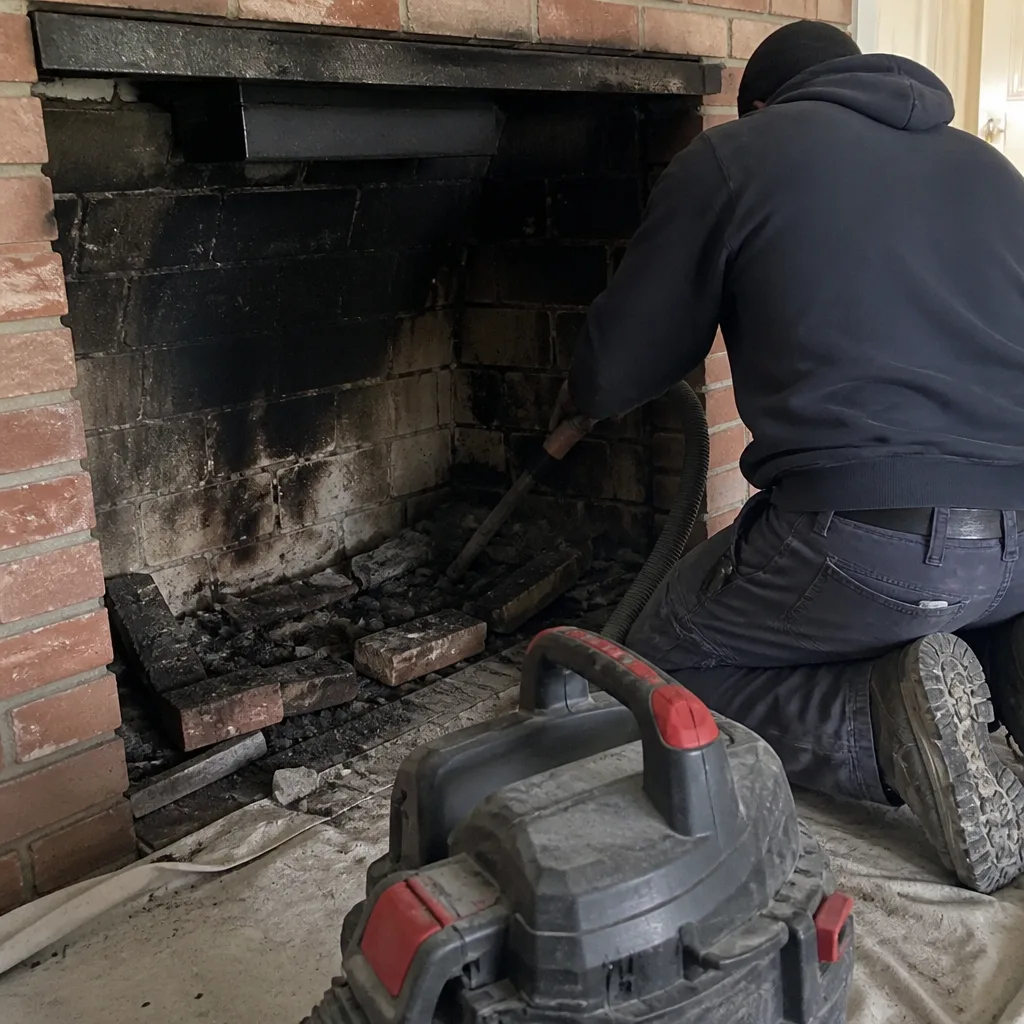 Before
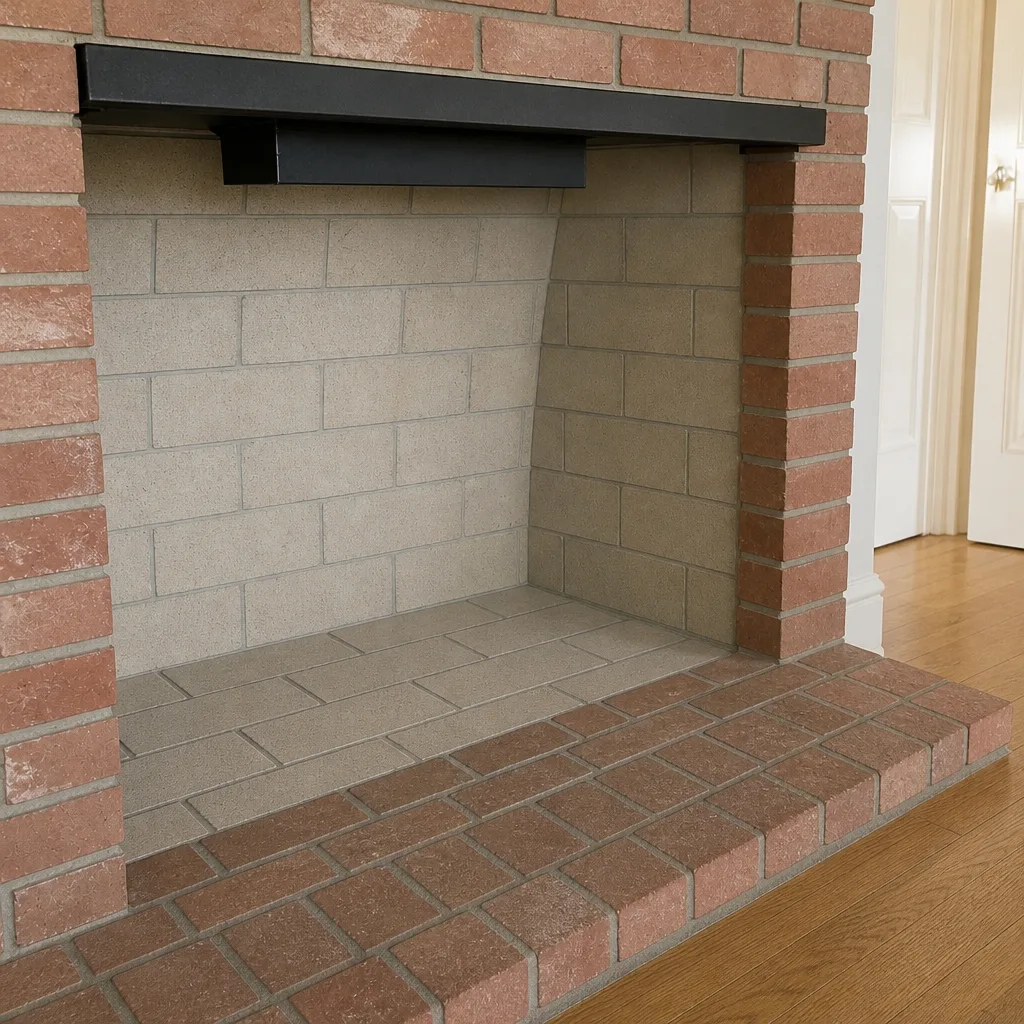 After
When to Call a Professional
Some situations need a call, not a wait. If you’ve had a chimney fire – even a small one that burned itself out – book a Level 2 inspection before you light another fire, because the damage is rarely visible from the firebox. If you smell smoke in the room when the fireplace isn’t running, or the draft pulls the wrong way, that’s a sign of an obstruction or a liner issue. If you see cracked firebrick, a damaged damper, or a cap that’s come loose, those need a technician. And if your home has sat unused for a season, or you’ve just bought the house and don’t know the cleaning history, a professional inspection is the right first step. Chimney Sweep Paradise offers free estimates in Paradise – call (844) 314-6144. We answer 24/7. Fast dispatch from 7am to 7pm, Sunday through Friday.
Frequently Asked Questions
Chimney cleaning in Paradise is priced per job by a written estimate, and the estimate is free. The cost depends on the type of system, the degree of creosote, and whether the job needs a repair or resurfacing as well as a cleaning. Call (844) 314-6144 for an exact quote – estimates are free.
Once a year for wood-burning fireplaces, and every two to three years for gas fireplaces and unused chimneys. The annual interval matters more in Paradise than most places because desert dust accumulates in the flue even in seasons when the fireplace isn’t used, so the inspection catches issues that burning frequency alone doesn’t.
Not always – a liner replacement is only recommended when the inspection finds a specific defect, like a cracked joint, a gap, or deteriorated steel in a stainless system. We don’t recommend a liner based on age alone; we show you the camera evidence and let you see the problem yourself. If the liner is intact, we clean it and leave it. If you do need a replacement, we install professional-grade systems like DuraFlex, not generic substitutes, so you know what’s going into your home. Call (844) 314-6144 for an inspection.
The dry creosote and dust accumulate, and the fire risk increases with every burn. Beyond fire, a blocked or dirty flue causes poor draft, smoke backing into the room, and in the worst case, carbon monoxide exposure from a compromised liner. None of these are hypothetical; they’re the standard reasons we recommend an annual inspection. A cleaning is inexpensive compared to the repair that follows a chimney fire.
Yes. Gas fireplaces need a different protocol – cleaning the burner and logs, checking the venting and cap, inspecting the gas connections – and we handle that alongside wood-burning systems. The key difference is that gas systems don’t produce creosote, so the cleaning focuses on dust, sooting, and vent obstruction rather than the flue sweep.
Yes, especially if it sat unused over the summer. A season of desert dust, wind-blown debris, and possible animal activity can partially block a flue that was clean last spring. A quick inspection before the first fire confirms the cap, flue, and liner are sound. In Paradise, the first cold night is the worst time to discover a problem, so book ahead. Call (844) 314-6144 to schedule.
The Bottom Line
Chimney cleaning in Paradise is not the same job as chimney cleaning in a cold-climate suburb, and treating it that way is where most homeowners get into trouble. The creosote here is dry and powdery rather than glazed, which means it ignites easily and hides in plain sight. Desert dust accumulates in unused flues. Gas fireplaces need a separate protocol. And the annual cleaning is really an annual inspection – the sweep is the visible part, but the cap check, smoke chamber brushing, and liner inspection are what catch the real risks. A full-service cleaning covers all seven components; a cheap sweep covers two. Book before the first cold snap, know what your cleaning includes, and never skip the liner check. Chimney Sweep Paradise works with professional-grade materials – HeatShield for resurfacing, Gelco and Olympia Chimney components where the system calls for them – so the repair work matches the quality of the cleaning. Call (844) 314-6144 for a free estimate. We answer 24/7. Fast dispatch from 7am to 7pm, Sunday through Friday, and we’re closed on Saturday.
Written by the team at Chimney Sweep Paradise.