
Last updated November 15, 2026
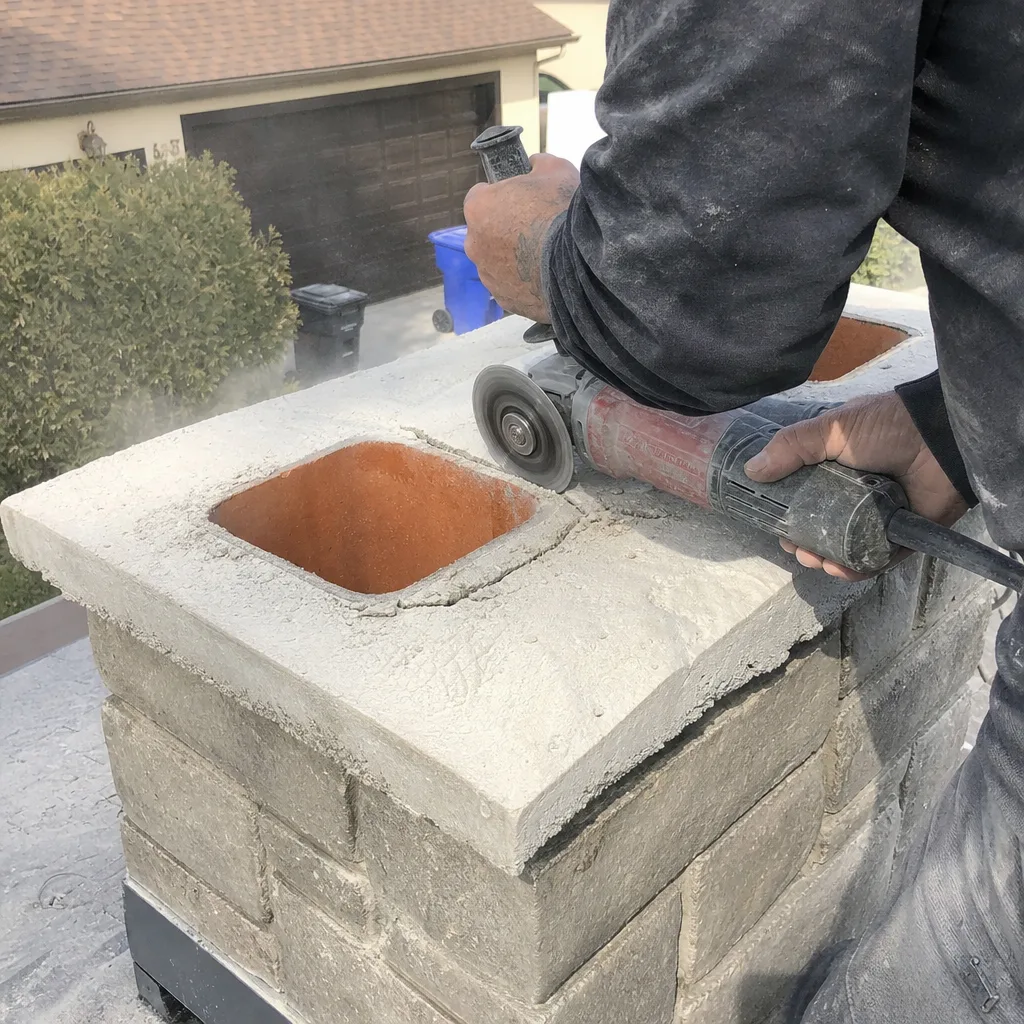
 Sweep & inspection
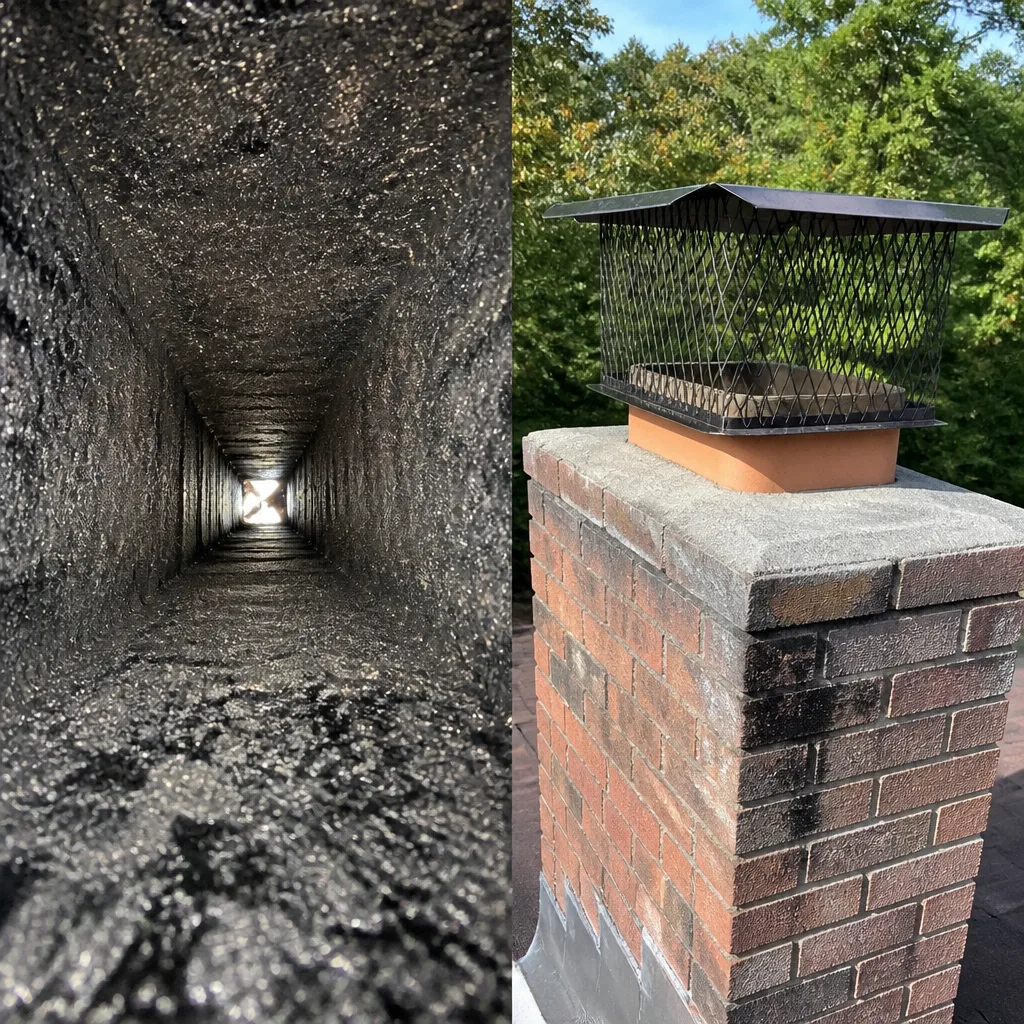
 Caps & crowns
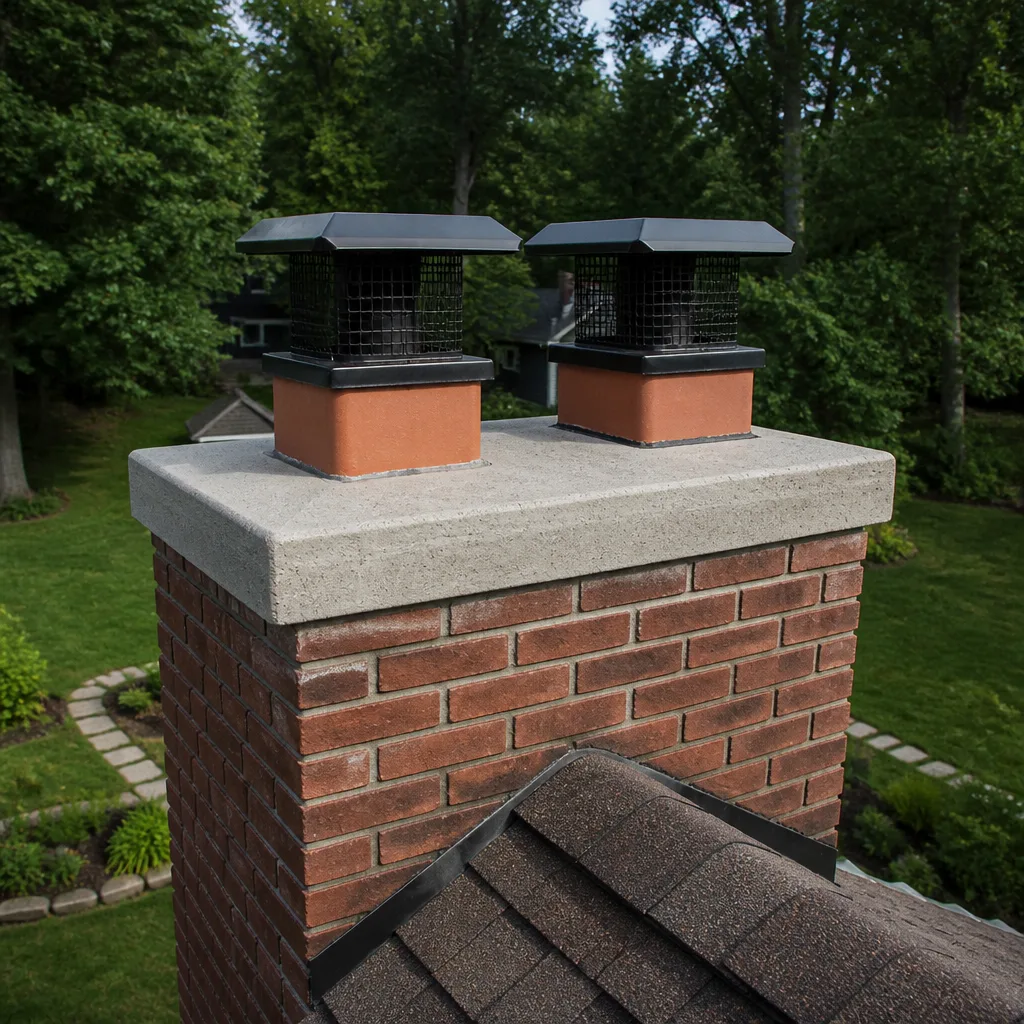
 Flue relining
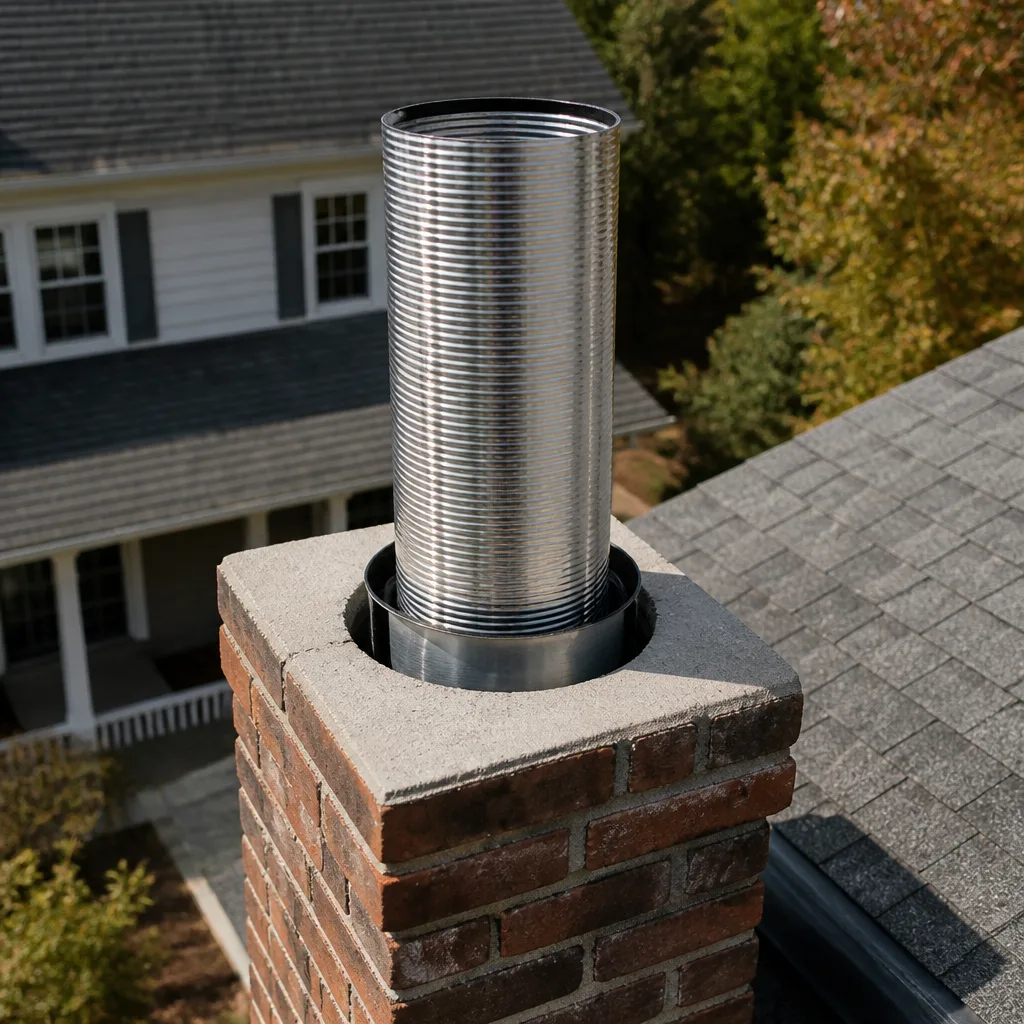
 Masonry repair
 Gas fireplace service
Level 1 sweep and inspection to the NFPA 211 annual standard - flue, crown, cap, and flashing checked and photographed
Chimney sweep logs do not sweep chimneys. They loosen some creosote - which then falls where a brush and vacuum still have to collect it.
Chimney Cleaning Emergency Preparedness Guide for Paradise Homes
A chimney fire sounds like a freight train running through your roof. If that’s the first time you’ve thought about your chimney’s condition, you’re already behind. Most Paradise homeowners think about their chimney once a year, usually when the first cold snap hits and the fireplace gets its first light. That single moment of attention is exactly backwards. The people who handle a chimney fire or a carbon monoxide scare best are the ones who understood their system before anything went wrong, not the ones scrambling to learn it while smoke is coming out of the firebox. This guide walks through what an active chimney fire actually looks and sounds like, how your damper functions as an emergency control, why gas appliance flues carry their own separate carbon monoxide risk in Paradise homes, what information to have on hand when you call for help, and what has to happen to your chimney after any event before you light another fire.
Quick Answer
Preparedness for a chimney emergency in Paradise means three things done before the burn season starts: a professional inspection and sweep so you know the condition of your flue and liner, a damper you’ve tested and can close under pressure, and a written record of your chimney type, liner material, and last service date kept somewhere you can grab it fast. If a chimney fire is happening now, call 911 first, then close the damper and starve the fire of air. No chimney gets cleared for reuse after any fire event until a professional has inspected it.
Styles & brands we work with
- Sweep & inspection
- Caps & crowns
- Flue relining
- Masonry repair
- Gas fireplace service
Table of Contents
- How do you recognize an active chimney fire?
- Why the damper is your emergency control
- Carbon monoxide risk in Paradise gas flues
- What to have ready before you call for help
- Post-event protocol: what happens after a chimney fire
- Pre-season preparation checklist for Paradise homes
- Your dryer vent is a chimney too
- What a professional inspection actually covers
How do you recognize an active chimney fire?
An active chimney fire announces itself in sound, smell, and sight, and the sounds usually lead. A low rumbling that builds into a roar is the classic signature, often compared to a freight train or a distant jet. That noise comes from creosote igniting inside the flue and drawing hard. If you hear it, don’t open the firebox door to investigate. More air is the last thing that fire needs.
Smell is the second cue. A chimney fire produces a sharp, hot, almost metallic burning smell, sometimes with an acrid edge, that’s different from the woodsmoke you’d normally notice. A strong creosote smell alone means deposits are heavy and the next fire is riskier.
Visually, watch for these signs from outside and inside the house:
- Dense smoke or flames visible from the top of the chimney
- Sparks or embers shooting from the chimney cap
- A puffy, dark smoke plume that looks different from normal woodsmoke
- Popping or cracking sounds inside the flue
- The stovepipe or chimney breast glowing or discoloring
- Warped or buckled damper hardware after the fact
If you suspect an active fire, take these steps in order:
- Call 911.
- Get everyone out of the house, including pets.
- If you can do it safely and without delay, close the damper and the firebox doors to cut off air.
- Don’t spray water into a hot flue. On a masonry chimney it can crack the clay liner; on a metal system it can warp the pipe.
- Don’t try to climb up and inspect the cap yourself.
- Stay out until the fire department clears you to re-enter.
Paradise’s dry climate means fire spreads fast and embers travel easily once they’re airborne. That’s another reason to keep the roof clear of dry debris during burning season.
Why the damper is your emergency control
The damper is the single most important piece of hardware on your chimney that you can operate during an emergency. It controls the flow of air into the firebox and, when things go wrong, it’s the fastest way to starve a chimney fire. A damper that sticks, has been painted over, or has rusted shut is a real safety gap, not a nuisance.
Before every burning season in Paradise, test the damper with the firebox empty and cold:
- Open and close it fully by hand. It should move without forcing.
- Check that it lands flush. A damper that doesn’t seal means you can’t shut off air.
- Look for rust, warping, or a broken handle.
- Make sure you can reach it without moving furniture or climbing over anything.
If your damper is stiff, seized, or visibly damaged, get it evaluated before the season starts. This is the kind of detail our technicians check during a chimney sweep, and it’s one many homeowners skip because the fireplace still works on a normal day. Working and not safe aren’t the same thing.
There’s a second reason the damper matters: it’s also your smoke control when you’re lighting a fire and when you’re shutting down for the night. If you’ve never tested it under real conditions, you won’t know how it behaves when the flue is hot. Test it when the firebox is cold and think through where you’d stand and how long it would take you to close it. That two-second rehearsal matters if a chimney fire happens.
Carbon monoxide risk in Paradise gas flues
Chimney fire gets all the attention, but in Paradise homes there’s a quieter hazard running through the same chase: carbon monoxide. Many modern Paradise homes have vented gas fireplaces and gas or propane furnaces whose exhaust travels up a flue. That flue is a chimney, and it carries the same principle of venting as a wood system. When it’s blocked, cracked, or improperly drafted, carbon monoxide can back up into the living space instead of venting outside.
Carbon monoxide is odorless and invisible. Symptoms to be aware of include headaches, dizziness, nausea, fatigue, and confusion, especially when symptoms ease when you leave the house and return when you come back. If you suspect CO, get everyone outside and call 911 or your gas utility. Don’t try to find the source yourself.
CO risk in Paradise is different from chimney fire risk in a few key ways:
- It’s silent. There’s no roar, smoke, or sparks.
- It’s tied to your furnace and gas appliance flues too, not just the fireplace.
- It’s tied to flue condition. A cracked liner or a blocked cap changes everything.
- It has a working CO detector as its first line of defense. Test yours monthly, replace batteries per manufacturer guidance, and replace the unit on its schedule.
Have your gas appliance flues and your wood-burning system inspected at the same time each season. In Paradise homes with multiple vented appliances, a single inspection appointment covers them all, and it’s often the only way cracks and blockages get caught before they become a CO problem. If your home has a gas fireplace, don’t treat it as maintenance-free just because it’s clean-burning.
What to have ready before you call for help
The worst time to learn your chimney’s specifications is when the fire department asks. When you call for emergency services or a post-event inspection, the responder or service provider needs a few facts fast. Keeping this information in a fireproof spot or a printed card in your home folder saves minutes and helps the technician assess the system correctly.
Have this ready:
- Chimney type: masonry with clay tiles, factory-built metal, gas-direct-vent, etc.
- Liner material: stainless steel, aluminum, clay tile, or none.
- Last service date: when it was last swept and last inspected.
- Last sweep company and any documentation, including photos or a report.
- Fuel being burned: wood, gas, propane, or pellet.
- Damper type and current condition.
- Gas appliance model and age in the same chase, if any.
If you don’t have all of this, don’t guess. A technician will read it directly from the system when they arrive, and a proper inspection tells the truth about the liner and the flue regardless of paperwork. But if you do have the documentation, keep it.
When you call for post-event service, give the dispatcher these three things: what happened (fire, smoke, odor, CO alarm), the chimney type if you know it, and your last service date. That sets up the correct inspection scope. If your system was last serviced years ago and you’ve never had documentation, say so; it’s more useful than a clean-sounding answer. For a same-day visit, we book the earliest opening and give you the written estimate before any work. Call (844) 314-6144. We answer 24/7. Fast dispatch from 7am to 7pm, Sunday through Friday.
Post-event protocol: what happens after a chimney fire
A chimney fire ends when the creosote burns out or the air gets cut off. That doesn’t mean the chimney is safe. No chimney should be used again after any fire event, no matter how small, until it has been inspected by a professional and cleared. That’s the single most important sentence in this guide.
Why is the inspection mandatory? A chimney fire can:
- Crack clay liner tiles, leaving gaps that let embers, smoke, and heat reach the structure
- Warp or split a metal liner, break its seams, or open a joint
- Damage the chimney cap, crown, and flashing enough to let water in
- Bake creosote into a brittle, glazed stage that’s harder to sweep
- Compromise the top of the flue
A proper post-event inspection covers the full run of the flue. The technician will:
- Look down the flue from the top and up from the firebox.
- Run a camera on the flue to assess cracks and seams, and show you the footage.
- Check the damper, cap, crown, and flashing.
- Evaluate the liner material for suitability with the fuel you burn.
- Report findings in writing with photos before anything is quoted.
If the liner is compromised, resurfacing or a new liner is a real repair, not a sales add-on. We use HeatShield to resurface damaged flue interiors and DuraFlex stainless liners when a system needs a new interior pipe. Both are specified for the application and installed to the manufacturer’s requirements, which is not what you get from a generalist with a bucket of patch compound. In Paradise, where the dry air and temperature swings stress metal and masonry over time, correct materials matter just as much as correct installation. What we have found over years of Paradise work is that a homeowner who saw the camera footage before agreeing to a repair almost never second-guesses the price afterward.
Pre-season preparation checklist for Paradise homes
Emergency preparedness is mostly pre-season work. The week before you plan to use the fireplace is the right time to run through this checklist. The goal is to have every part of your chimney system in known condition before the first fire, not to discover a problem while something is on fire inside it.
- Schedule a chimney sweep and inspection before burning season. Every year is the standard, and more often if you burn frequently or have burned soft or unseasoned wood.
- Test the damper in the cold firebox. If it sticks or doesn’t seal, get it evaluated.
- Check the cap and crown from the ground with binoculars. Loose or missing parts mean water and animal intrusion.
- Check the CO detectors in the home, test them, and replace the batteries on schedule.
- Clear the roof and the chimney cap of pine needles, leaves, and debris. In Paradise’s dry climate, that debris is fuel. We don’t recommend climbing on the roof yourself; have it included in the sweep appointment.
- Look up the flue from inside with a flashlight when the firebox is empty. Visible heavy, glossy, or flaky buildup means it’s time for a sweep.
- Burn dry, seasoned wood going forward, and never burn trash, wrapping paper, or cardboard.
- Keep the written report from your last inspection somewhere you can find fast.
The residential standard most often cited by chimney professionals is to have the chimney inspected at least once a year and swept as needed. That annual pattern is your best defense against a springtime surprise in the fall.
Your dryer vent is a chimney too
The same principle of clear, unobstructed venting applies to your dryer. Lint is highly flammable, and a clogged dryer vent is a real fire hazard, not a convenience problem. The symptoms are easy to miss: clothes taking a second cycle to dry, a dryer that’s hot to the touch, or a long lint trail inside the duct. If you’ve noticed any of those, the vent is due for a thorough dryer vent cleaning.
In our experience, most homeowners have never had their dryer vent opened up and inspected. Yet it’s part of the same readiness conversation as your chimney. Both are about keeping an open vent path clear of flammable buildup. In a Paradise home, the dry, hot summers dry out lint and debris fast, so it’s worth checking once a year alongside your chimney appointment.
If you’re already having your chimney swept, add dryer vent cleaning to the same visit and take care of two fire-hazard points in one appointment.
What a professional inspection actually covers
A professional chimney inspection isn’t a ladder and a flashlight. It’s a documented assessment of the full system, and it’s the level of care that makes preparedness real. Here’s what a thorough inspection covers:
- The firebox and the damper, including operation and seal
- The full flue, top to bottom, with a camera to catch cracks and joint failures
- Creosote buildup level and stage
- The liner material and its condition and suitability for the fuel you burn
- The cap, crown, spark arrestor, and flashing
- The exterior chimney structure for spalling, cracks, or separation
- Adjacent gas appliance flues in the same chase
- Venting for the furnace and dryer if included in the service
The report is the key deliverable. It’s written, it’s photographed, and it shows you what was found. If something needs repair, you should see the evidence before you’re quoted. That’s the standard every homeowner deserves, and it’s the one we hold to. We use manufacturer-specified materials like HeatShield resurfacing and DuraFlex liners for repairs, plus components from Gelco, Olympia Chimney, Famco, and Copperfield where they’re the right fit for the application. Professional-grade materials, every job.
If a generalist tells you “you need a new liner” without showing you the camera footage, ask to see it. When a technician tells you work can safely wait, that’s a real answer too. A proper inspection lets you act on evidence instead of fear. That’s how Chimney Sweep Paradise approaches every visit.
Common Mistakes to Avoid
- Skipping the annual inspection because the fireplace still works. Working isn’t the same as safe. A cracked liner or a warped damper can still produce a usable fire right up until it doesn’t.
- Burning unseasoned or wet wood to get more heat. It deposits far more creosote, and creosote is the fuel that turns a small chimney fire into a serious one. In Paradise’s dry air you have no excuse for green wood.
- Opening the firebox door during a chimney fire. This feeds the fire with air. Close the damper and the doors and get out.
- Spraying water into a hot flue. Thermal shock can crack a clay liner or warp a metal one, turning a repairable chimney into a full replacement.
- Assuming a gas fireplace doesn’t need service. Gas flues still vent carbon monoxide, and a blocked or cracked gas flue is a real CO risk. Inspect it every year with the rest of the chimney.
- Not keeping any documentation. When an emergency happens, knowing your chimney type, liner material, and last service date helps first responders and technicians work faster and safer.
- Lighting a fire after a chimney fire without a professional inspection. This is the most serious mistake on the list. A chimney must be cleared by a professional before it’s used again, every time.
See the difference
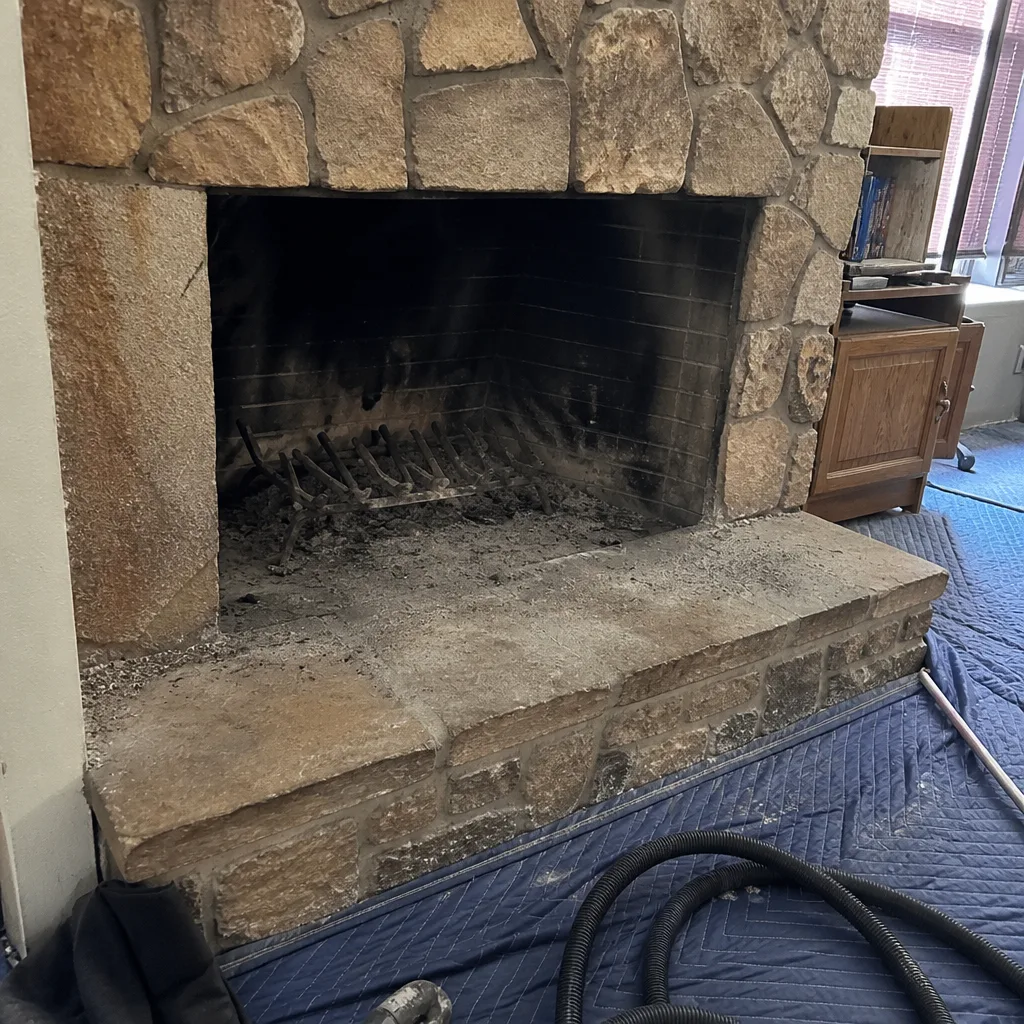 Before
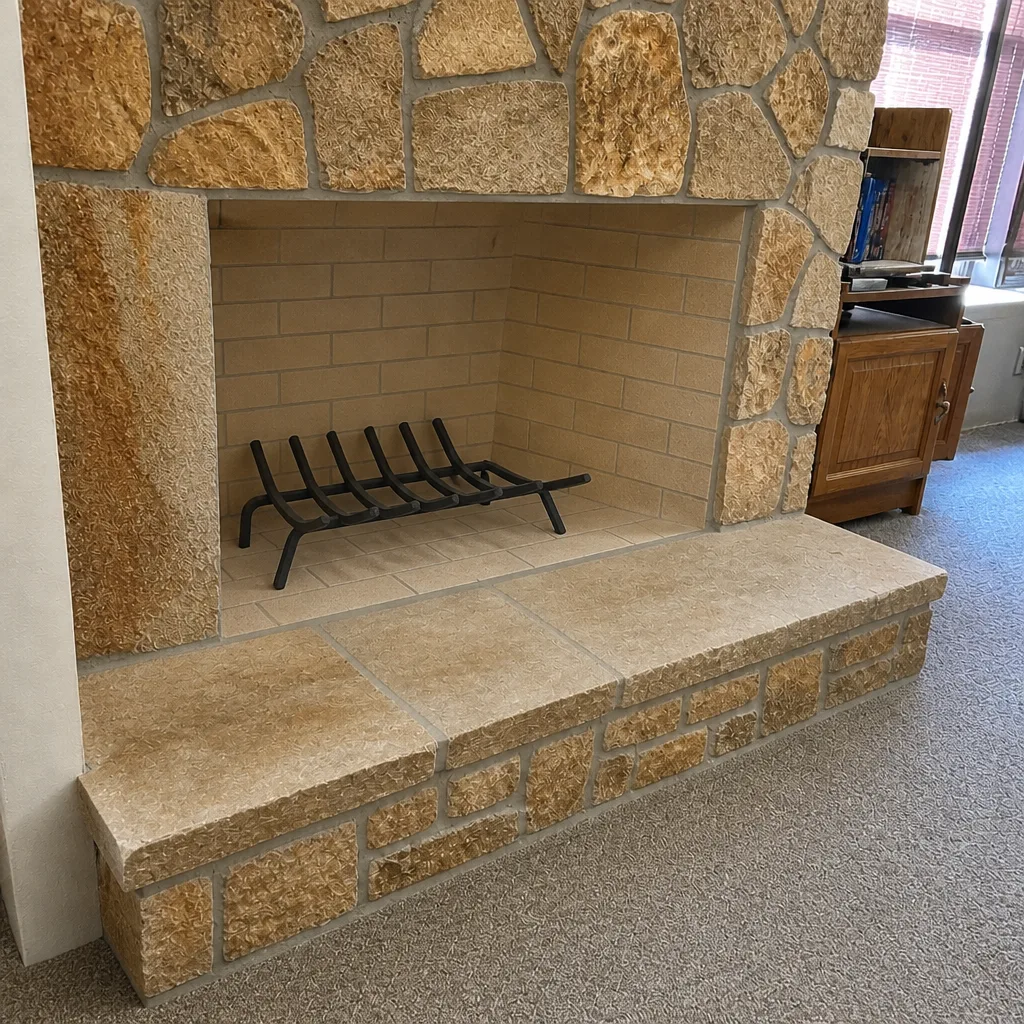 After
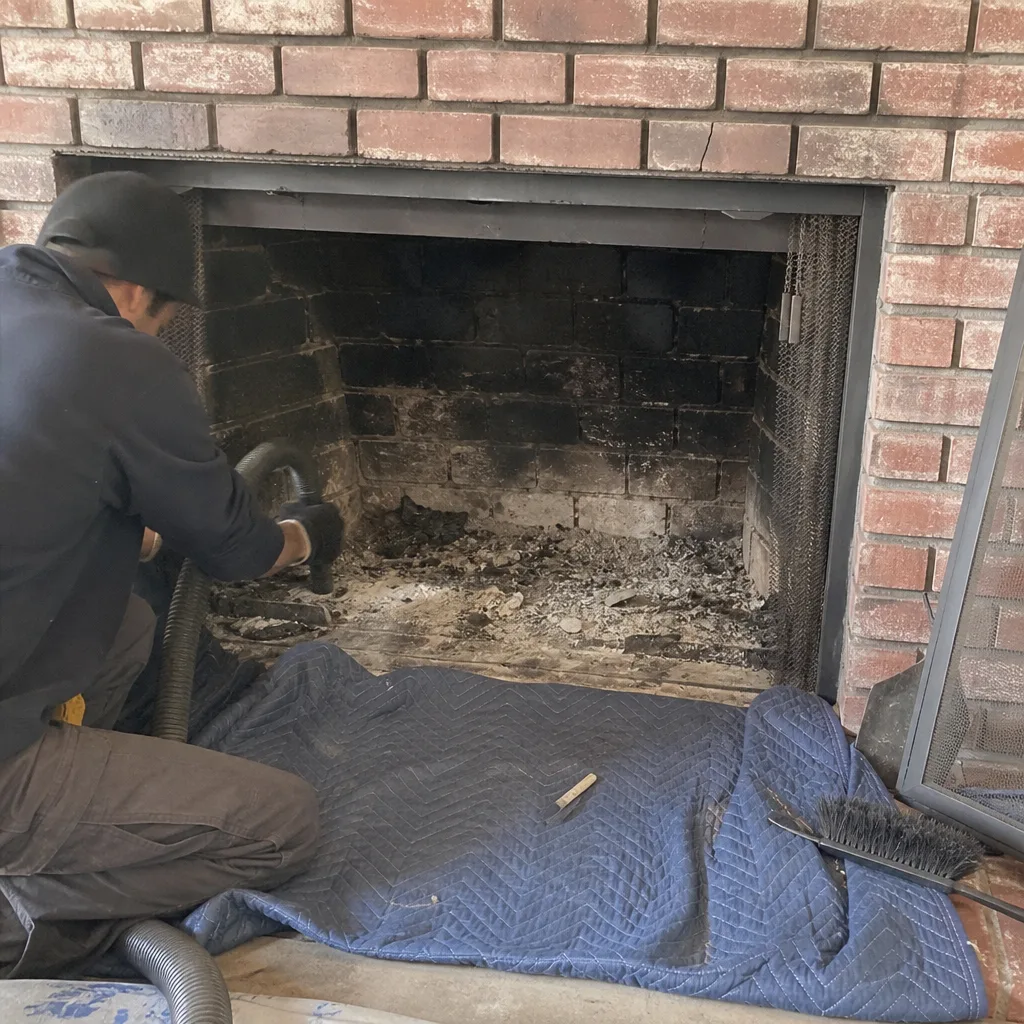 Before
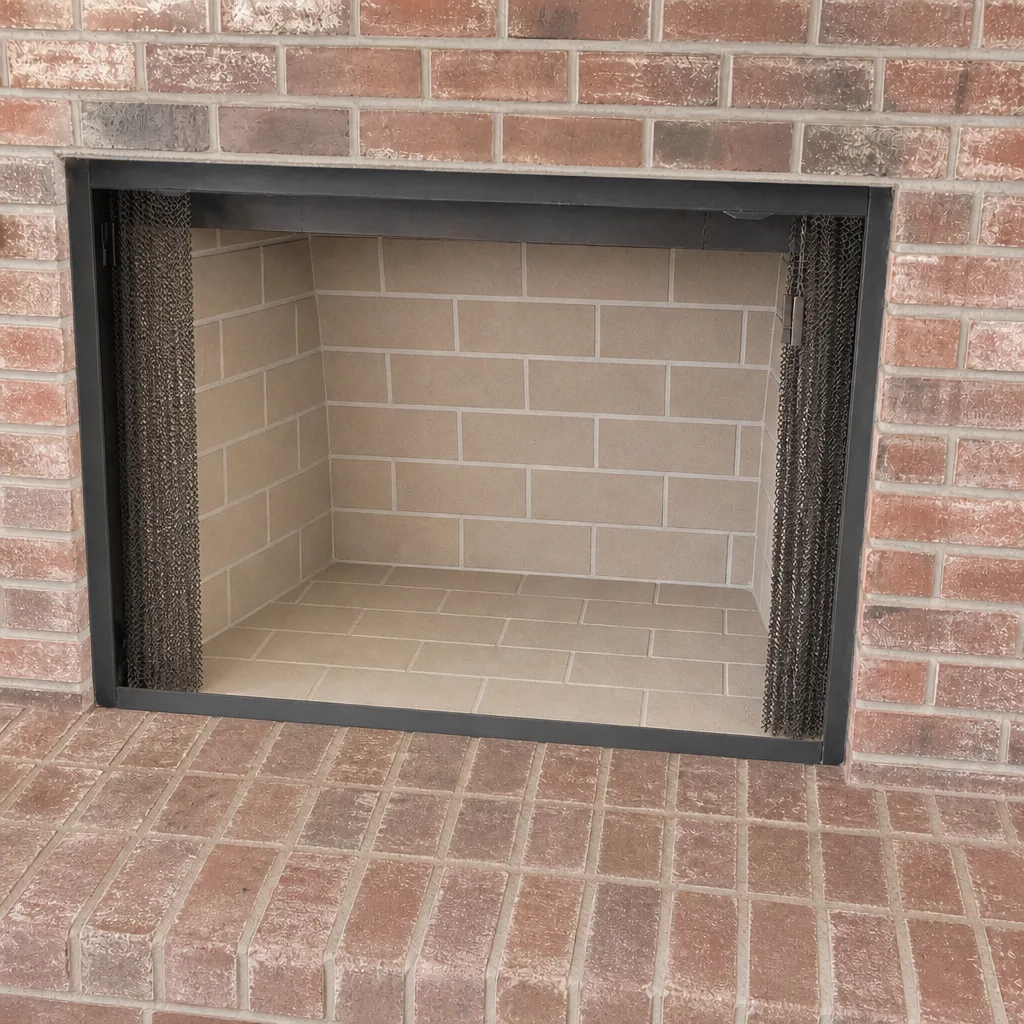 After
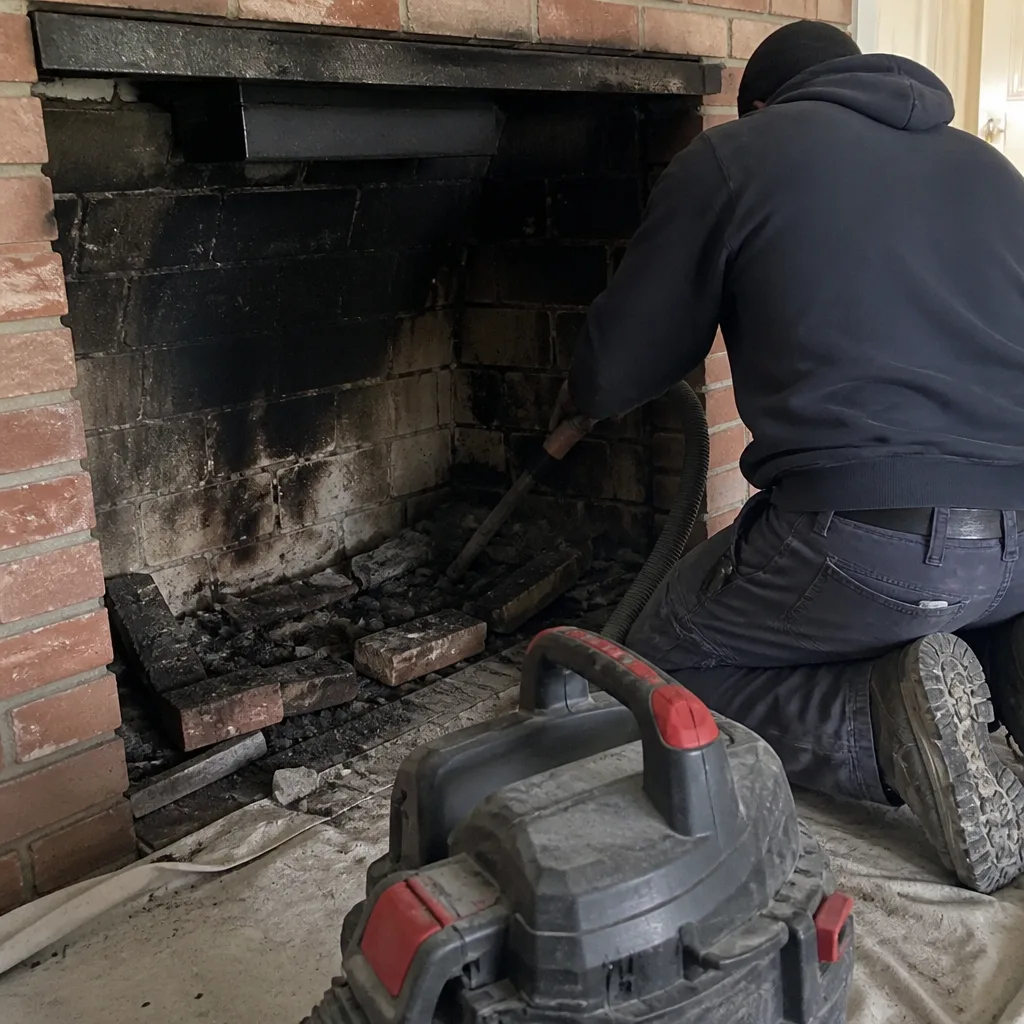 Before
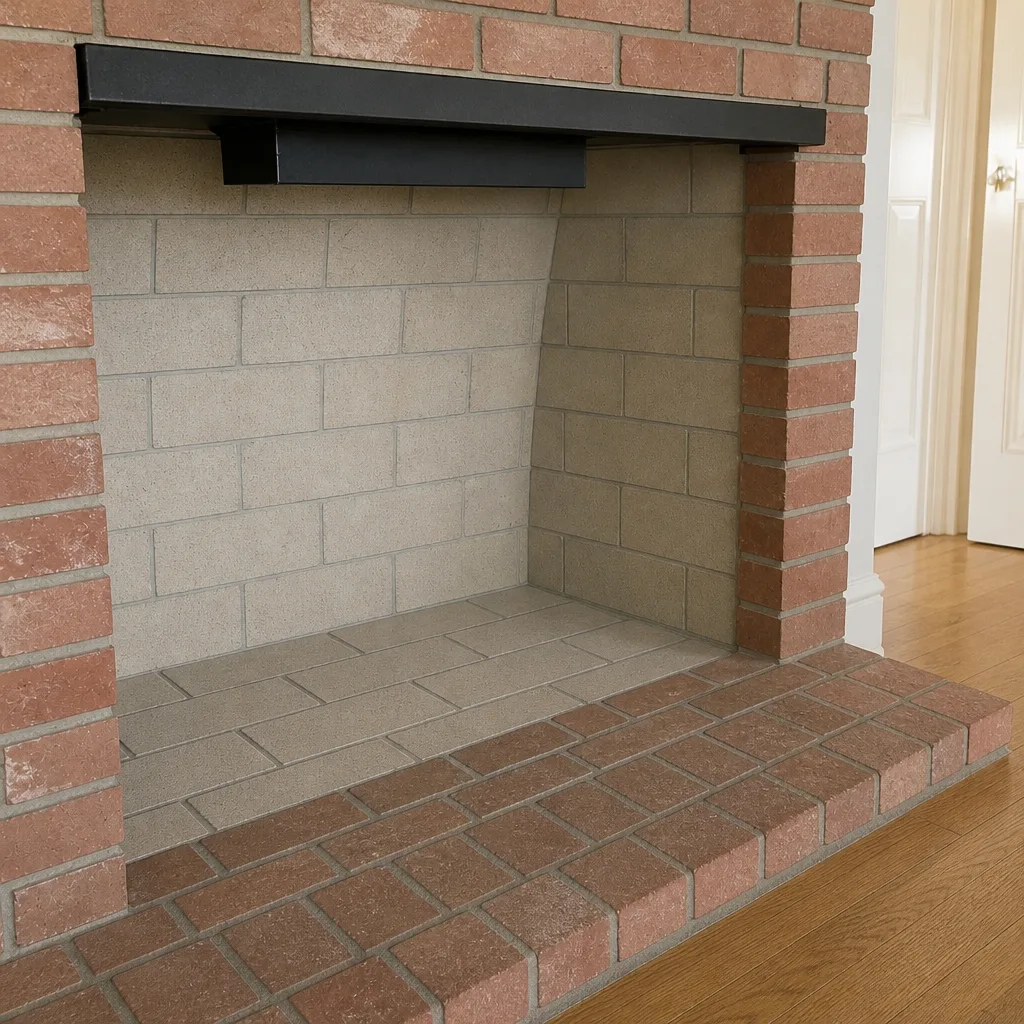 After
When to Call a Professional
Call a professional after any chimney fire or any CO alarm event, before relighting. Call if you smell a strong creosote odor, see cracked or flaking liner material, or notice heavy dark smoke from the top of the chimney when burning. Call if your damper won’t open or close fully, if the cap is loose or missing, or if you haven’t had the chimney inspected in a year or more. For a Paradise home with a gas fireplace, call if the flame burns oddly, the pilot won’t stay lit, or the glass fogs persistently. Chimney Sweep Paradise offers free estimates in Paradise. Call (844) 314-6144. We answer 24/7. Fast dispatch from 7am to 7pm, Sunday through Friday. Same-day service is available when the schedule allows, and nothing is quoted before a camera inspection shows you what’s actually there.
Frequently Asked Questions
A chimney fire typically sounds like a low rumble that builds into a roar, often compared to a freight train or a distant jet. If you hear that sound coming from your flue, call 911, get everyone out, and close the damper and firebox doors if you can do so safely.
No. Any chimney fire, even a small one, requires a professional inspection and clearance before the chimney is used again. A fire can crack liners and open seams in ways you can’t see from the firebox. Call (844) 314-6144 to book a post-event inspection.
Yes. Gas fireplaces and furnaces vent through a flue, and that flue carries carbon monoxide risk when it’s blocked, cracked, or drafting poorly. Inspect gas appliance flues every year along with the rest of your chimney system.
Once a year is the standard, and more often if you burn frequently or burn wood that isn’t fully seasoned. The annual inspection also tells you whether the chimney actually needs a sweep yet, so you’re not sweeping more than you need to.
Have your chimney type, liner material, last service date, fuel being burned, and the type of damper. If you don’t know, say so; a technician will read it from the system at inspection. Call (844) 314-6144. We answer 24/7. Fast dispatch from 7am to 7pm, Sunday through Friday.
Yes. Lint is highly flammable, and a clogged dryer vent is a real fire hazard. Slow drying cycles and a hot dryer body are signs it’s overdue for cleaning. Chimney Sweep Paradise offers dryer vent cleaning as a standalone visit or alongside a chimney sweep.
The Bottom Line
Chimney emergency preparedness in Paradise comes down to knowing your system before you need to know it. Get inspected and swept before the season starts. Test the damper and the CO detectors. Keep your chimney type, liner material, and last service date in a place you can find fast. Recognize the sound and smell of an active chimney fire and know what to do in what order. After any fire or CO event, don’t relight until a professional inspector clears the flue. The work you do in the calm weeks is what makes a bad night manageable. Call (844) 314-6144 for a free estimate. We answer 24/7. Fast dispatch from 7am to 7pm, Sunday through Friday.
Written by the team at Chimney Sweep Paradise.